


Caffeine withdrawal can cause headaches and a loss of focus, while consuming it can exacerbate acid reflux and heartburn, a doctor said on Monday, adding that these effects can be mitigated by cutting back on coffee.
Hsu Wei-yun (許維芸), an attending physician at Tainan Municipal Hospital’s Department of Family Medicine, gave the example of a 26-year-old woman who sought treatment for acid reflux, abdominal pain and heartburn.
The woman, surnamed Lin (林), every day for five years drank a cup of coffee after waking up in the morning, and would often also drink one or two cups in the afternoon, Hsu said.
She discovered that whenever she did not drink coffee, she developed a headache that would ease after she had a cup, but over time could not bear the repeated flare-ups of acid reflux.
A gastroscopy revealed not only a worsening of her pre-existing acid reflux, but even minor ulcers, Hsu said.
Hsu recommended that Lin gradually cut back her consumption of coffee over several weeks, and on the fourth week switch entirely to decaffeinated coffee or tea.
After one or two months, the body would adjust and the symptoms would ease, Hsu added.
There are two ways of breaking a caffeine addiction: gradually and “cold turkey,” Hsu said.
Lin tried the first method, which saved her from more severe withdrawal symptoms, but it took a long time, she said.
The second method only takes two to nine days for the body to adjust, but withdrawal symptoms can be severe, Hsu said, recommending that those interested in this strategy try it on their days off from work.
If needed, pain medication can help with withdrawal headaches, she added.
However, coffee also has health benefits, Hsu said.
Apart from making a person more alert, it also helps with athletic performance, she said.
Drinking coffee in moderation over a long period could even reduce the risk of developing type 2 diabetes, kidney stones, gout, cirrhosis, Parkinson’s disease and other conditions, she added.
On the other hand, excessive caffeine consumption could cause insomnia, anxiety, high blood pressure and heart arrhythmia, Hsu said.
At the most extreme, drinking 8g of caffeine in one day — equivalent to 70 or 80 240ml cups of coffee — can be fatal, she added.
The average adult can safely consume up to 400mg of caffeine per day, but no more than 200mg at a time, while pregnant women are advised to limit their intake to no more than 200mg per day, Hsu said.
Children younger than 12 should not consume any caffeine, although teenagers can safely drink up to 100mg per day, she added.
Tea, soda, energy drinks, cocoa and certain painkillers also contain varying levels of caffeine, Hsu said.
People with generalized anxiety or gastroesophageal reflux disease should not consume too much caffeine to avoid exacerbating their condition, she added.
Hsu also recommended abstaining from caffeine for six to eight hours before sleeping to ensure it does not affect sleep.
Some high blood pressure, anticoagulant, arrhythmia and neurological medications do not interact well with caffeine, Hsu said, suggesting that those taking such prescriptions consult their doctor to determine appropriate caffeine intake.
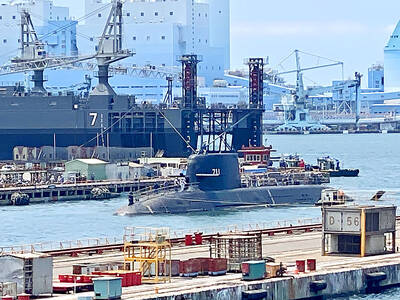
AGING: While Japan has 22 submarines, Taiwan only operates four, two of which were commissioned by the US in 1945 and 1946, and transferred to Taiwan in 1973 Taiwan would need at least 12 submarines to reach modern fleet capabilities, CSBC Corp, Taiwan chairman Chen Cheng-hung (陳政宏) said in an interview broadcast on Friday, citing a US assessment. CSBC is testing the nation’s first indigenous defense submarine, the Hai Kun (海鯤, Narwhal), which is scheduled to be delivered to the navy next month or in July. The Hai Kun has completed torpedo-firing tests and is scheduled to undergo overnight sea trials, Chen said on an SET TV military affairs program. Taiwan would require at least 12 submarines to establish a modern submarine force after assessing the nation’s operational environment and defense
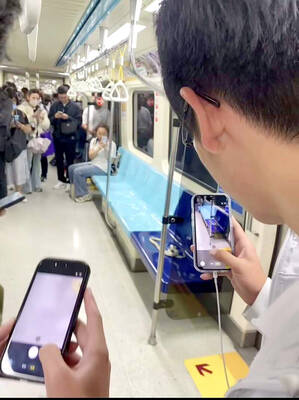
A white king snake that frightened passengers and caused a stir on a Taipei MRT train on Friday evening has been claimed by its owner, who would be fined, Taipei Rapid Transit Corp (TRTC) said yesterday. A person on Threads posted that he thought he was lucky to find an empty row of seats on Friday after boarding a train on the Bannan (Blue) Line, only to spot a white snake with black stripes after sitting down. Startled, he jumped up, he wrote, describing the encounter as “terrifying.” “Taipei’s rat control plan: Release snakes on the metro,” one person wrote in reply, referring
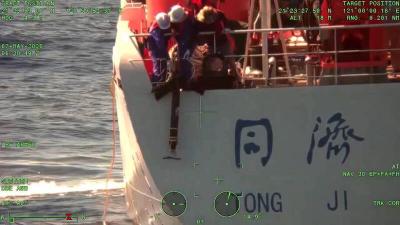
The coast guard today said that it had disrupted "illegal" operations by a Chinese research ship in waters close to the nation and driven it away, part of what Taipei sees a provocative pattern of China's stepped up maritime activities. The coast guard said that it on Thursday last week detected the Chinese ship Tongji (同濟號), which was commissioned only last year, 29 nautical miles (54km) southeast of the southern tip of Taiwan, although just outside restricted waters. The ship was observed lowering ropes into the water, suspected to be the deployment of scientific instruments for "illegal" survey operations, and the coast
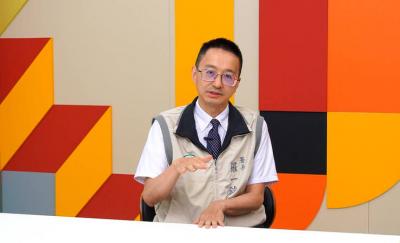
Taiwan’s two cases of hantavirus so far this year are on par with previous years’ case numbers, and the government is coordinating rat extermination work, so there should not be any outbreaks, Centers for Disease Control (CDC) Director-General Philip Lo (羅一鈞) said today in an interview with the Liberty Times (the Taipei Times’ sister newspaper). An increase in rat sightings in Taipei and New Taipei City has raised concerns about the spread of hantavirus, as rats can carry the disease. In January, a man in his 70s who lived in Taipei’s Daan District (大安) tested positive posthumously for hantavirus, Taiwan’s


 RSS
RSS