


The Taichung Mass Rapid Transit (MRT) system launched a trial service yesterday, with many hailing it as an important first for the city that has been a long time coming.
The MRT’s Green Line is 16.71km long, runs from Beitun Main Station in the northeast to Taichung High Speed Rail Station in the southwest and has 18 stations.
Starting yesterday, free rides are being offered to passengers with electronic metro passes for one month until the line officially opens.
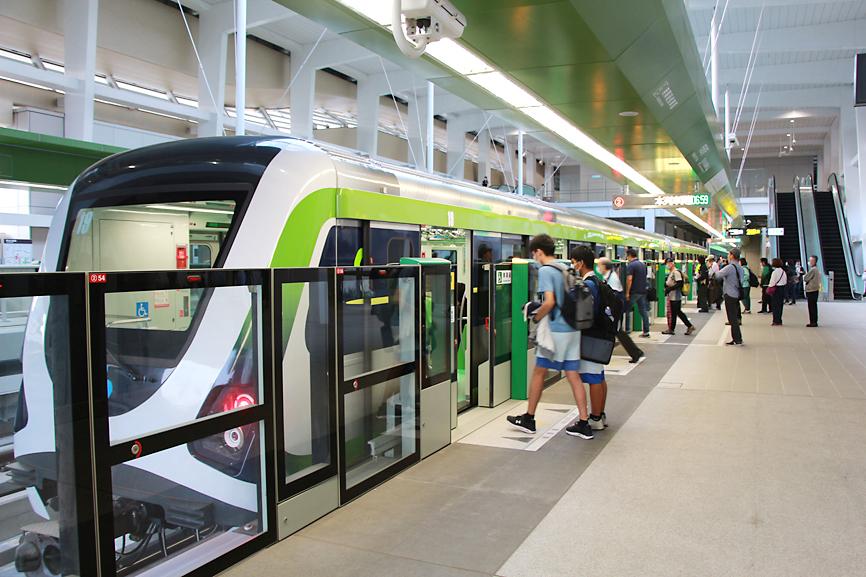
Photo: CNA
A high-school student surnamed Lin (林) said he arrived at Taichung City Hall Station early in the morning for a ride on the new service.
Being able to commute to and from school, like students in Taipei, will make his life easier, Lin said.
Another passenger, surnamed Wang (王), said that Taichung residents have waited a long time for a metro system.
A Taichung native surnamed Yang (楊), who is studying at a university in Tainan, said he returned home just to try the new MRT yesterday.
The MRT system carried about 4,700 passengers in the first two hours after it opened at 7am, the Taichung Mass Rapid Transit Co said.
In the first three weeks, from yesterday to Dec. 6, the trains are to operate between 7am and 8pm daily, running every five minutes during peak hours and every eight minutes in off-peak hours.
On Dec. 7, normal service is to begin, in preparation for the official opening on Dec. 19, and free rides are to end on Dec. 15, the company said.
Taichung Mayor Lu Shiow-yen (盧秀燕) hailed the MRT system as a milestone in the development of public transport in Taichung.
The plan to build an MRT system in the city was initiated in 2004, and construction began in 2009 during the tenure of then-Taichung mayor Jason Hu (胡志強), who was succeeded in 2014 by Lin Chia-lung (林佳龍), currently the minister of transportation and communications.
Lu was elected mayor in 2018.
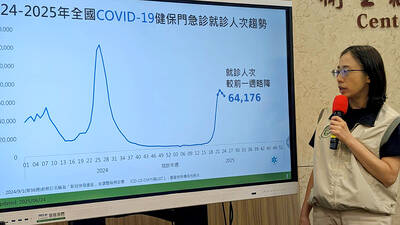
ECHOVIRUS 11: The rate of enterovirus infections in northern Taiwan increased last week, with a four-year-old girl developing acute flaccid paralysis, the CDC said Two imported cases of chikungunya fever were reported last week, raising the total this year to 13 cases — the most for the same period in 18 years, the Centers for Disease Control (CDC) said yesterday. The two cases were a Taiwanese and a foreign national who both arrived from Indonesia, CDC Epidemic Intelligence Center Deputy Director Lee Chia-lin (李佳琳) said. The 13 cases reported this year are the most for the same period since chikungunya was added to the list of notifiable communicable diseases in October 2007, she said, adding that all the cases this year were imported, including 11 from
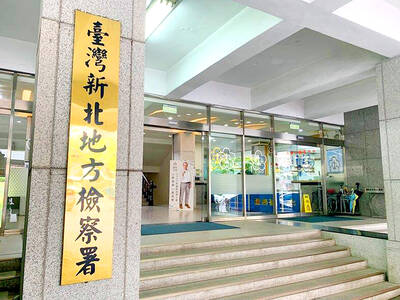
Prosecutors in New Taipei City yesterday indicted 31 individuals affiliated with the Chinese Nationalist Party (KMT) for allegedly forging thousands of signatures in recall campaigns targeting three Democratic Progressive Party (DPP) lawmakers. The indictments stem from investigations launched earlier this year after DPP lawmakers Su Chiao-hui (蘇巧慧) and Lee Kuen-cheng (李坤城) filed criminal complaints accusing campaign organizers of submitting false signatures in recall petitions against them. According to the New Taipei District Prosecutors Office, a total of 2,566 forged recall proposal forms in the initial proposer petition were found during the probe. Among those

The Mainland Affairs Council (MAC) today condemned the Chinese Communist Party (CCP) after the Czech officials confirmed that Chinese agents had surveilled Vice President Hsiao Bi-khim (蕭美琴) during her visit to Prague in March last year. Czech Military Intelligence director Petr Bartovsky yesterday said that Chinese operatives had attempted to create the conditions to carry out a demonstrative incident involving Hsiao, going as far as to plan a collision with her car. Hsiao was vice president-elect at the time. The MAC said that it has requested an explanation and demanded a public apology from Beijing. The CCP has repeatedly ignored the desires
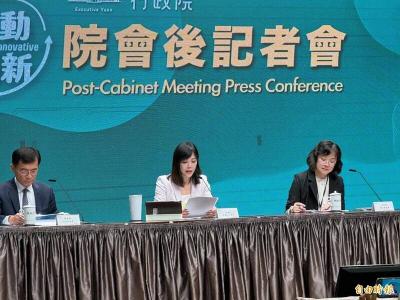
The Ma-anshan Nuclear Power Plant’s license has expired and it cannot simply be restarted, the Executive Yuan said today, ahead of national debates on the nuclear power referendum. The No. 2 reactor at the Ma-anshan Nuclear Power Plant in Pingtung County was disconnected from the nation’s power grid and completely shut down on May 17, the day its license expired. The government would prioritize people’s safety and conduct necessary evaluations and checks if there is a need to extend the service life of the reactor, Executive Yuan spokeswoman Michelle Lee (李慧芝) told a news conference. Lee said that the referendum would read: “Do


 RSS
RSS