


Taiwan High Speed Rail Corp (THSRC) on Monday said that its pay increase plan, which was scheduled for January but still not implemented when it was postponed due to the COVID-19 outbreak, would retroactively take effect on Aug. 1, after it hit its target revenue for two consecutive months.
The company had last year announced that a plan to raise employees’ salaries by an average of 3.42 percent would start in January, but no further action was taken.
In March, it suspended implementation of the plan due to the outbreak, but did not offer a date, saying that it would resume after “the pandemic eases and the high-speed rail starts generating stable revenue again.”
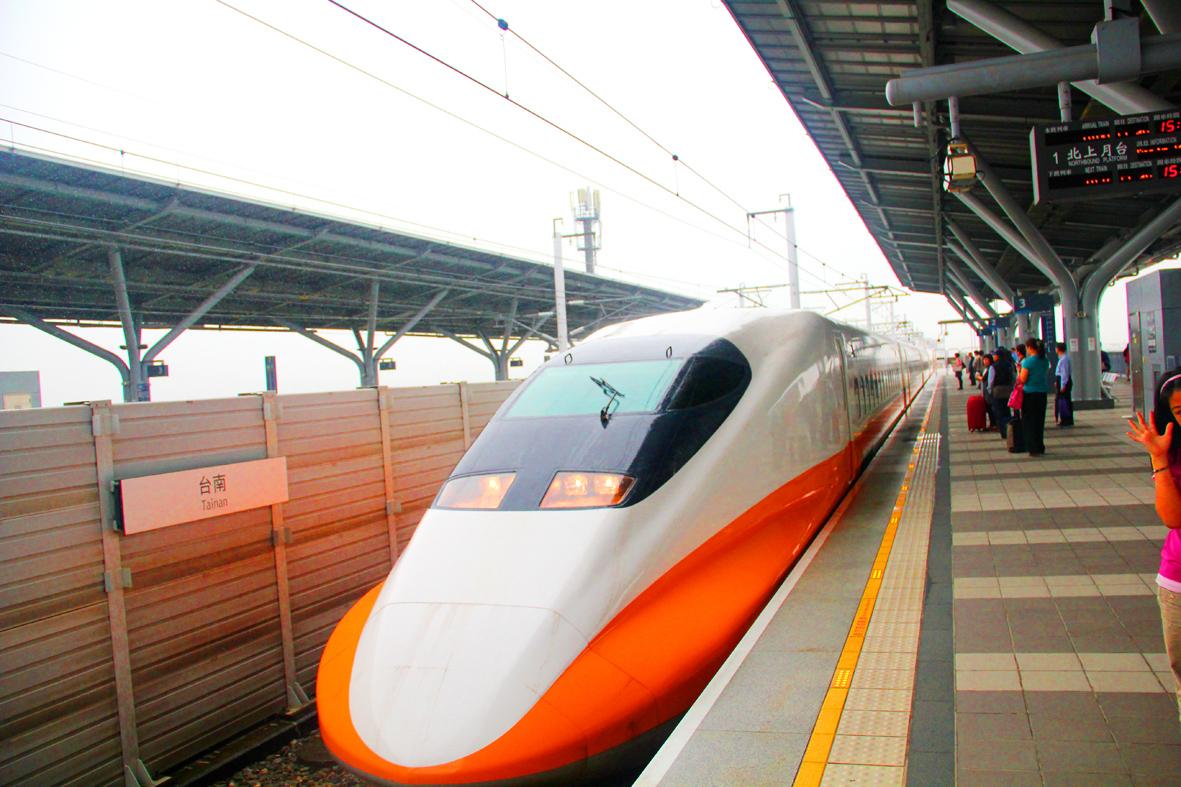
Photo: Cheng Wei-chi, Taipei Times
The company said “stable revenue” meant that it would have to record two consecutive months where total revenue was comparable to 70 percent of the revenue generated during the same period last year.
As the company has reached the benchmark it set for itself, THSRC chairman Chiang Yao-chung (江耀宗) announced at an incentive banquet on Monday night that the pay increase plan for all employees would retroactively take effect from Aug. 1.
Aside from the pay increase, the company also gave bonuses to employees who did government disease-prevention work between February and last month.
“We thank all our coworkers for working together to contain the spread of the pandemic and ensuring that trains operated on schedule at the most difficult time,” it said.
The THSRC Labor Union said it accepted the decision from the company’s management to resume the pay increase plan and appreciated that they had taken the union’s suggestions into consideration, although it would have preferred the plan to have retroactively taken effect on Jan. 1.
“We want to remind them that they were able to postpone the pay increase plan without any objection from employees because we understood that the decision was made in view of the COVID-19 outbreak, during which we have continued to do our jobs and follow the disease-prevention measures stipulated by the government,” the union said. “We hope the company will see how hard employees have worked and reward them accordingly.”
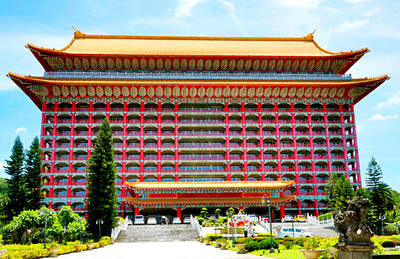
The Grand Hotel Taipei on Saturday confirmed that its information system had been illegally accessed and expressed its deepest apologies for the concern it has caused its customers, adding that the issue is being investigated by the Ministry of Justice Investigation Bureau. The hotel said that on Tuesday last week, it had discovered an external illegal intrusion into its information system. An initial digital forensic investigation confirmed that parts of the system had been accessed, it said, adding that the possibility that some customer data were stolen and leaked could not be ruled out. The actual scope and content of the affected data

DO THEY BITE IT? Cats have better memories than people might think, but their motivation is based entirely around the chance of getting fed Cats can remember the identity of the people who fed them the day before, Taipei-based veterinarians said on Friday, debunking a popular myth that cats have a short memory. If a stray does not recognize the person who fed them the previous day, it is likely because they are not carrying food and the cat has no reason to recognize them, said Wu Chou Animal Hospital head Chen Chen-huan (陳震寰). “When cats come to a human bearing food, it is coming for the food, not the person,” he said. “The food is the key.” Since the cat’s attention is on the food, it

A New York-based NGO has launched a global initiative to rename the nation’s overseas missions, most of which operate under the name "Taipei," to "Taiwan Representative Office (TRO)," according to a news release. Ming Chiang (江明信), CEO of Hello Taiwan, announced the campaign at a news conference in Berlin on Monday, coinciding with the World Forum held from Monday through Wednesday, the institution stated in the release. Speaking at the event, Democratic Progressive Party Legislator Huang Jie (黃捷) said she believed this renaming campaign would enable the international community to see Taiwan
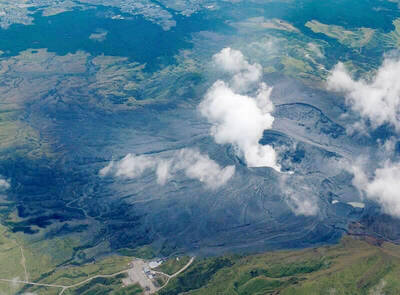
TOO DANGEROUS: The families agreed to suspend crewed recovery efforts that could put rescuers in danger from volcanic gases and unstable terrain The bodies of two Taiwanese tourists and a Japanese pilot have been located inside a volcanic crater, Japanese authorities said yesterday, nearly a month after a sightseeing helicopter crashed during a flight over southwestern Japan. Drone footage taken at the site showed three bodies near the wreckage of the aircraft inside a crater on Mount Aso in Kumamoto Prefecture, police and fire officials said. The helicopter went missing on Jan. 20 and was later found on a steep slope inside the Nakadake No. 1 Crater, about 50m below the rim. Authorities said that conditions at the site made survival highly unlikely, and ruled


 RSS
RSS