


Before an offer by the University of Edinburgh to return 12 skulls purported to be those of Paiwan warriors killed during the Mudan Incident (牡丹社事件) is accepted, DNA tests should be conducted to ensure the skulls are those of Aborigines, not Japanese soldiers, Mudan Village (牡丹) residents said last week.
The 1874 incident was a Japanese military expedition against Paiwan in Mudan, called Botan in official English records at the time, for the killing of 54 sailors from the Ryukyu Kingdom.
The sailors had been aboard a vessel that was shipwrecked off the southern coast of Taiwan in 1871 returning to Miyako Island from Naha, Okinawa.
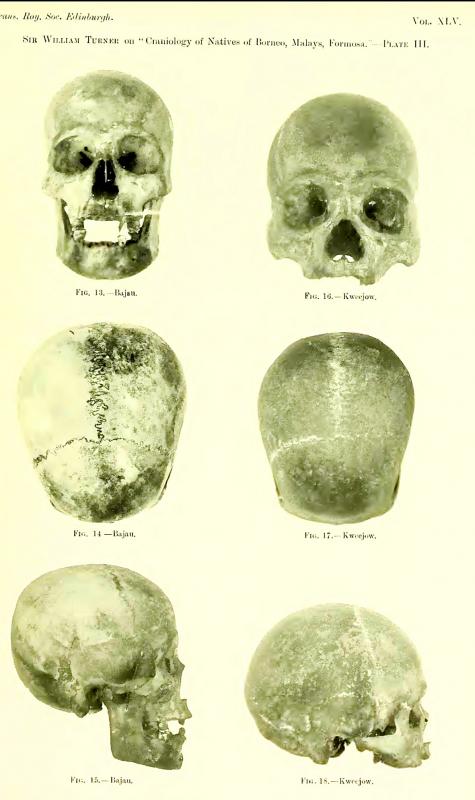
Photo: Tsai Tsung-hsien, Taipei Times
Sixty-six survivors of the shipwreck were attacked when they intruded into Paiwan territory, and 54 were killed.
While the Ryukyu Kingdom had been a vassal state of the Qing Dynasty for about 200 years, Japan used the incident to advance its interest in taking control of the Ryukyu Islands — it had claimed them as the Ryukyu Domain in 1872 and annexed them completely in 1879 — by mounting its expedition against the Paiwan in retaliation for the death of Japanese sailors.
According to Mudan Township Office records, Japanese soldiers took 12 Paiwan skulls back to Japan with them.
The University of Edinburgh gained possession of the skulls following the death of William Turner, an English anatomist who had served as principal of the university from 1903 until this death in 1916, who had them in his collection.
On Tuesday, Mudan Village Warden Pan Chuang-chih (潘壯志) said that the villagers wanted to make sure the skulls were those of their ancestors and not Japanese.
“We have high hopes and all evidence points to the skulls actually being of Aboriginal origin, but we wish to obtain scientific proof,” Pan said.
The repatriation of remains is different from the repatriation of cultural relics, as the remains should be interred so that the spirits of the ancestors can enter the afterlife, and should not be put on display, he said.
Such remains should be buried with the proper traditional ceremonies, he added.
The Pingtung County Government said it would forward the villagers’ request to the Council of Indigenous Affairs, and it would try to expedite the process of returning the skulls if testing confirms they are of Aboriginal origins.
Meanwhile, Pan said that the results of the latest research into the Mudan Incident would be published in 2024, on the 150th anniversary of the incident, and be made available at the Mudan Incident Memorial Hall, so that Taiwanese would understand the importance of the incident in modern history.
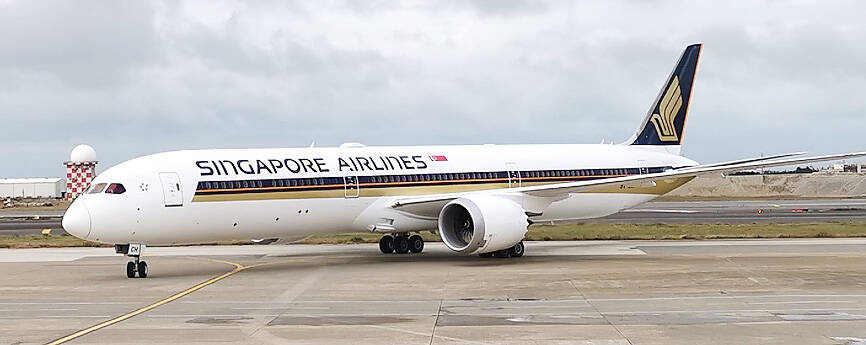
INCREASED CAPACITY: The flights on Mondays, Wednesdays, Fridays and Sundays would leave Singapore in the morning and Taipei in the afternoon Singapore Airlines is adding four supplementary flights to Taipei per week until May to meet increased tourist and business travel demand, the carrier said on Friday. The addition would raise the number of weekly flights it operates to Taipei to 18, Singapore Airlines Taiwan general manager Timothy Ouyang (歐陽漢源) said. The airline has recorded a steady rise in tourist and business travel to and from Taipei, and aims to provide more flexible travel arrangements for passengers, said Ouyang, who assumed the post in July last year. From now until Saturday next week, four additional flights would depart from Singapore on Monday, Wednesday, Friday

Taiwan’s three major international carriers are increasing booking fees, with EVA Airways having already increased the charge to US$28 per flight segment from US$25, while China Airlines (CAL) and Starlux Airlines are set to follow suit. Booking fees are charged by airlines through a global distribution system (GDS) and passed on to passengers. Carriers that apply the fees include CAL, EVA, Starlux and Tigerair Taiwan. A GDS is a computerized network operated by a company that connects airlines with travel agents and ticketing platforms, allowing reservations to be made and processed in real time. Major players include Amadeus, Sabre and Travelport. EVA Air began
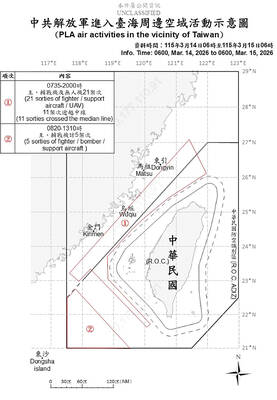
The Ministry of National Defense yesterday reported the return of large-scale Chinese air force activities after their unexplained absence for more than two weeks, which had prompted speculation regarding Beijing’s motives. China usually sends fighter jets, drones and other military aircraft around the nation on a daily basis. Interruptions to such routine are generally caused by bad weather. The Ministry of National Defense said it had detected 26 Chinese military aircraft in the Taiwan Strait over the previous 24 hours. It last reported that many aircraft on Feb. 25, when it spotted 30 aircraft, saying Beijing was carrying out another “joint combat
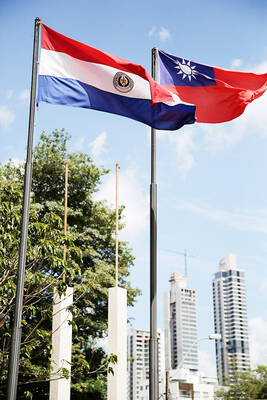
When Paraguayan opposition lawmaker Leidy Galeano returned from an all-expenses-paid tour of six Chinese cities late last year, she was convinced Paraguay risked missing out on major economic gains by sticking with longtime ally Taipei over Beijing — a message that participants on the trip heard repeatedly from Chinese officials. “Everything I saw there, I wanted for my country,” said Galeano, a member of the newly-formed Yo Creo party whose senior figures have spoken favorably about China. This trip and others like it — which people familiar with the visits said were at the invitation of the Chinese consulate in Sao Paulo


 RSS
RSS