


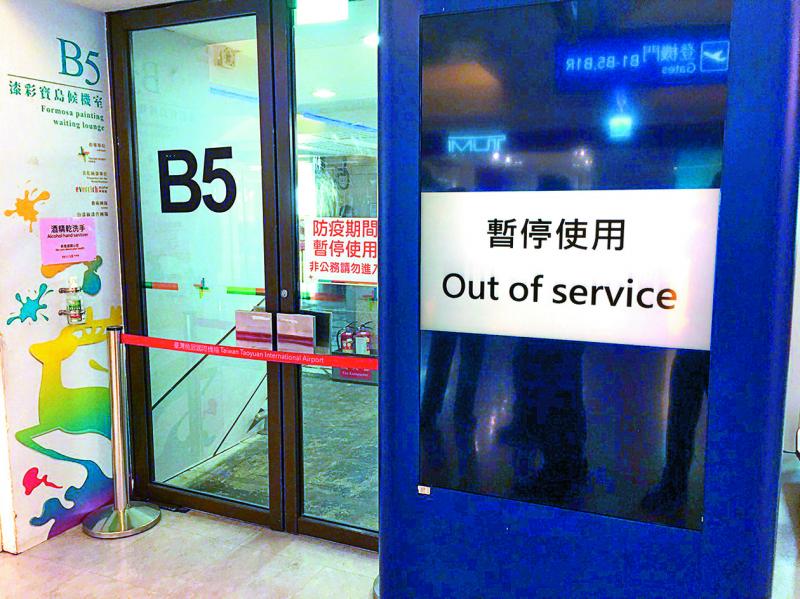
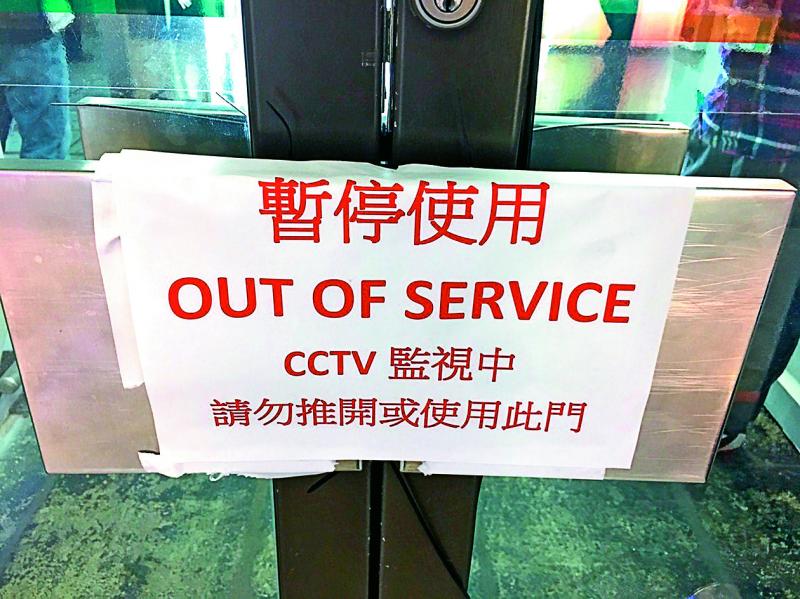
To improve efficiency, save resources and focus on the various construction projects that have started early due to the lull in passenger traffic, the Taoyuan International Airport has closed 20 of its boarding gates: A1 to A4 and B1 to B6 at Terminal 1, C6 to C10 and D6 to D10 at Terminal 2.
After careful consideration, airport management closed the gates that would have the least impact on operations -- all 20 are at the extremities of both terminals. The 18 gates at the core area where the two terminals meet will still operate as normal, and is sufficient for the current diminished passenger traffic. This is more cost efficient than completely sealing off either terminal, and the shuttered gates can be opened up any time according to need.
Customs, immigration, quarantine and security operations will remain the same. Each airline shall follow government guidelines on personnel matters, and the office and ground staff can remain in their original terminal and operate as usual. Vendors in shuttered areas can send their staff to help out at other locations, or have them undergo professional training which is subsidized by the Ministry of Transportation.
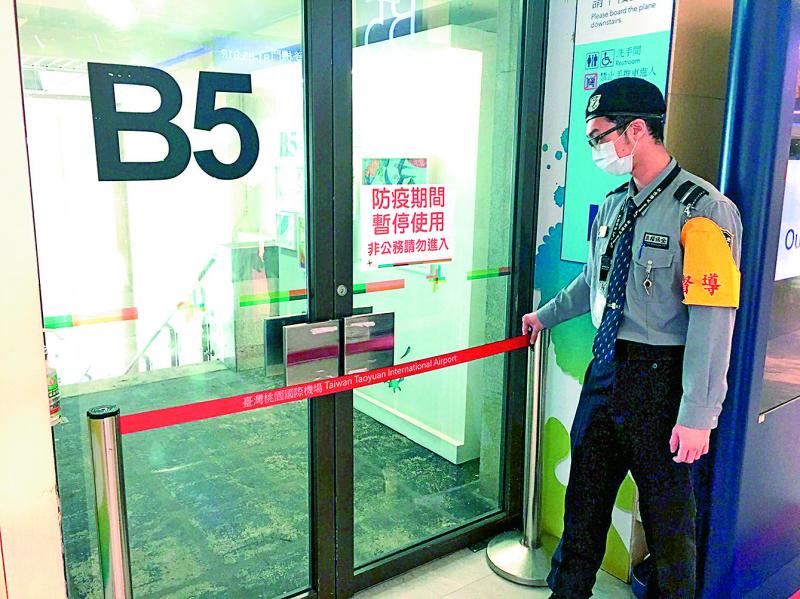
The aviation industry has been affected greatly during the COVID-19 pandemic. With the help of government subsidies, the Taoyuan International Airport Corporation believes that it’s current action plan can still meet the needs of its contractors and vendors. The Airport Corporation will take advantage of the diminished passenger traffic to carry out numerous upgrades and maintenance projects ranging from runways to waiting rooms to baggage carousels. When things are back to normal, the airport hopes that its passengers, staff and contractors can notice the differences.
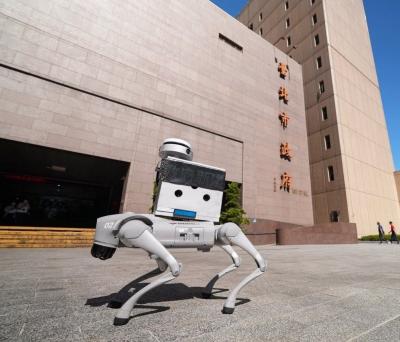
The inspection equipment and data transmission system for new robotic dogs that Taipei is planning to use for sidewalk patrols were developed by a Taiwanese company, the city’s New Construction Office said today, dismissing concerns that the China-made robots could pose a security risk. The city is bringing in smart robotic dogs to help with sidewalk inspections, Taipei Deputy Mayor Lee Ssu-chuan (李四川) said on Facebook. Equipped with a panoramic surveillance system, the robots would be able to automatically flag problems and easily navigate narrow sidewalks, making inspections faster and more accurate, Lee said. By collecting more accurate data, they would help Taipei
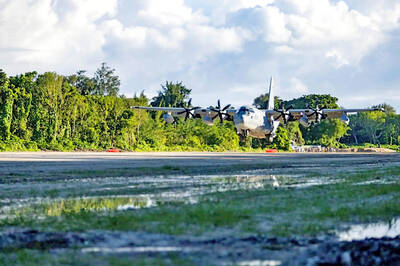
TAKING STOCK: The USMC is rebuilding a once-abandoned airfield in Palau to support large-scale ground operations as China’s missile range grows, Naval News reported The US Marine Corps (USMC) is considering new sites for stockpiling equipment in the West Pacific to harden military supply chains and enhance mobility across the Indo-Pacific region, US-based Naval News reported on Saturday. The proposed sites in Palau — one of Taiwan’s diplomatic allies — and Australia would enable a “rapid standup of stored equipment within a year” of the program’s approval, the report said, citing documents published by the USMC last month. In Palau, the service is rebuilding a formerly abandoned World War II-era airfield and establishing ancillary structures to support large-scale ground operations “as China’s missile range and magazine
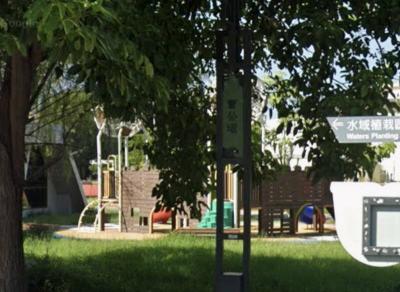
A 72-year-old man in Kaohsiung was sentenced to 40 days in jail after he was found having sex with a 67-year-old woman under a slide in a public park on Sunday afternoon. At 3pm on Sunday, a mother surnamed Liang (梁) was with her child at a neighborhood park when they found the man, surnamed Tsai (蔡), and woman, surnamed Huang (黃), underneath the slide. Liang took her child away from the scene, took photographs of the two and called the police, who arrived and arrested the couple. During questioning, Tsai told police that he had met Huang that day and offered to
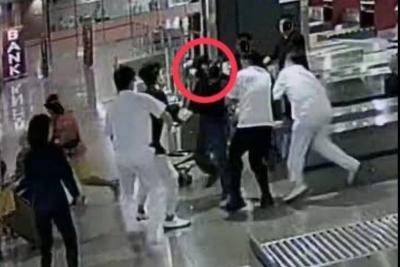
A British man was arrested for attempting to smuggle 14.37kg of marijuana into Taiwan through Taiwan Taoyuan International Airport, Taipei Customs said late yesterday. The man, who arrived from Bangkok at 9pm on Friday, was asked by customs officers to open his luggage during a random inspection, Taipei Customs said in a news release. The passenger, whose identity was not disclosed, refused to open his suitcase and tried to flee the restricted area. He was eventually subdued by three customs officials and an Aviation Police Bureau officer. A later search of his checked luggage uncovered 14.37kg of marijuana buds. The case was handed over


 RSS
RSS