


Overusing pain relief patches or creams could lead to liver damage, Nantou Hospital staff said on Monday following reports that a track and field athlete died from a heart attack linked to an overdose.
Analgesic patches are used in both traditional Chinese and Western medicine, hospital pharmacist Tseng Hui-min (曾惠敏) said.
In traditional Chinese medicine, they might contain methyl salicylate as an anti-inflammatory and pain reliever, capsaicin to provide heat, or mint to provide a cooling effect, she said.
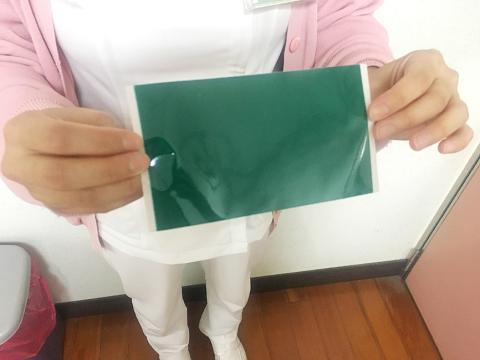
Photo: Liu Pin-chuan, Taipei Times
In Western medicine, the patches typically contain nonsteroidal anti-inflammatory drugs that alleviate pain and inflammation, she added.
However, there is a myth that topical treatments contain lower doses of drugs than oral medications, hospital vice superintendent Hung Shih-chang (洪世昌) said.
As the medication in analgesic patches is absorbed through the skin and travels throughout the entire body through the bloodstream, it could still trigger a full-body response, he said, adding that overusing the patches could cause a negative reaction.
While the patches are effective in reducing minor pain caused by stiffness in the neck, tendinitis, muscle strain, bruises or falls, if symptoms do not improve in two to three days or if people experience an allergic reaction, they should seek medical attention, Tseng said.
People should not put pain relief patches or creams on open wounds or rashes to prevent the wound from becoming infected, she said.
Patches should not be applied for more than six hours, as that could cause the skin to become red, swollen or itchy, Tseng said, adding that only one type of patch should be used at a time.
Depending on the dose contained, fewer than two to four patches should be worn at a time to prevent overburdening the liver, she added.
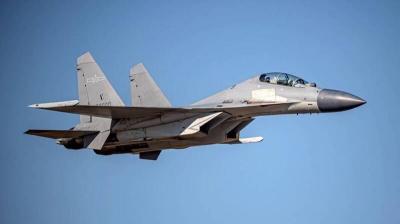
Eight Chinese naval vessels and 24 military aircraft were detected crossing the median line of the Taiwan Strait between 6am yesterday and 6am today, the Ministry of National Defense said this morning. The aircraft entered Taiwan’s northern, central, southwestern and eastern air defense identification zones, the ministry said. The armed forces responded with mission aircraft, naval vessels and shore-based missile systems to closely monitor the situation, it added. Eight naval vessels, one official ship and 36 aircraft sorties were spotted in total, the ministry said.
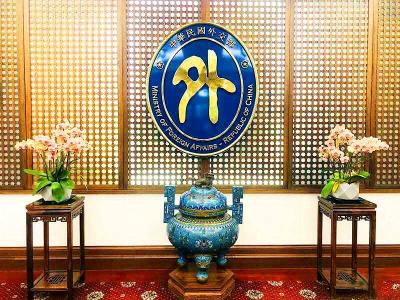
The Ministry of Foreign Affairs (MOFA) today said that if South Korea does not reply appropriately to its request to correct Taiwan’s name on its e-Arrival card system before March 31, it would take corresponding measures to alter how South Korea is labeled on the online Taiwan Arrival Card system. South Korea’s e-Arrival card system lists Taiwan as “China (Taiwan)” in the “point of departure” and “next destination” fields. The ministry said that it changed the nationality for South Koreans on Taiwan’s Alien Resident Certificates from “Korea” to “South Korea” on March 1, in a gesture of goodwill and based on the
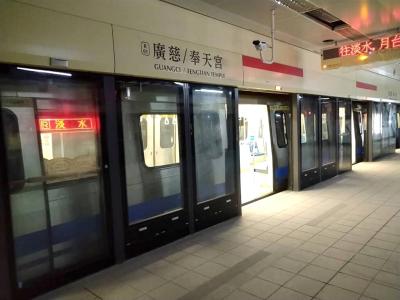
The New Taipei Metro's Sanyin Line and the eastern extension of the Taipei Metro's Tamsui-Xinyi Line (Red Line) are scheduled to begin operations in June, the National Development Council said today. The Red Line, which terminates at Xiangshan Station, would be connected by the 1.4km extension to a new eastern terminal, Guangci/Fengtian Temple Station, while the Sanyin Line would link New Taipei City's Tucheng and Yingge stations via Sanxia District (三峽). The council gave the updates at a council meeting reviewing progress on public construction projects for this year. Taiwan's annual public infrastructure budget would remain at NT$800 billion (US$25.08 billion), with NT$97.3

Taiwanese officials were shown the first of 66 F-16V fighter jets purchased by Taiwan from the United States, the Ministry of National Defense said yesterday, adding the aircraft has completed an initial flight test and is expected to be delivered later this year. A delegation led by Deputy Minister of National Defense Hsu Szu-chien (徐斯儉) visited Lockheed Martin’s F-16 C/D Block 70 (also known as F-16V) assembly line in South Carolina on March 16 to view the aircraft. The jet will undergo a final acceptance flight in the US before being delivered to Taiwan, the


 RSS
RSS