


Historical injustice should warrant talks with residents living around Bao Gong Temple (包公廟) in New Taipei City’s Wugu District (五股) before forced evictions are initiated, rights campaigners said yesterday.
The 2,000 ping (6,612m2) parcel of land is all that remains of the 7,000 ping that was purchased collectively by migrants from Yunlin County’s Sihhu Township (四湖) in 1976 for NT$7 million (US$228,870 at the current exchange rate), Taiwan Anti-Forced Eviction Alliance member Jia Bo-kai (賈伯楷) said.
The migrants were originally from the same temple community and pooled their resources to build a new communal temple and develop the surrounding land, putting the deed in the name of the temple’s elder.
The elder later sold several parcels without authorization before eventually being sued and sentenced to three years in prison for fraud in 1986.
“The court used a simple method to handling this: ordering the return of residents’ money without recognizing their rights to the land. However, the market had already changed by the time the ruling was handed down — it was no longer possible to purchase a similar parcel of land,” Jia said.
The migrants refused to accept the settlement and continued to reside on the remaining parcel of land, Jia said.
Three years ago, the temple elder’s son sold the plot to Land King Realty for NT$160 million, with NT$40 million set aside for resolving the ownership dispute, he said.
“There were not any specific terms for how the company should use the funds and they appear to have decided to allocate them to legal fees,” he said.
The company has sued the about 40 remaining residents around the temple so it could evict them, he said..
As long as the residency rights of remaining migrants is respected, residents would be open to a temporary settlement allowing the company to eventually assume full control over the land, he said.

“China is preparing to invade Taiwan,” Deputy Minister of Foreign Affairs Francois Wu (吳志中) said in an exclusive interview with British media channel Sky News for a special report titled, “Is Taiwan ready for a Chinese invasion?” the Ministry of Foreign Affairs said today in a statement. The 25-minute-long special report by Helen Ann-Smith released yesterday saw Sky News travel to Penghu, Taoyuan and Taipei to discuss the possibility of a Chinese invasion and how Taiwan is preparing for an attack. The film observed emergency response drills, interviewed baseball fans at the Taipei Dome on their views of US President
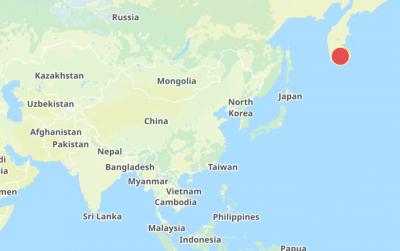
The Central Weather Administration (CWA) today issued a "tsunami watch" alert after a magnitude 8.7 earthquake struck off the Kamchatka Peninsula in northeastern Russia earlier in the morning. The quake struck off the east coast of the Kamchatka Peninsula at 7:25am (Taiwan time) at a depth of about 19km, the CWA said, citing figures from the Pacific Tsunami Warning Center. The CWA's Seismological Center said preliminary assessments indicate that a tsunami could reach Taiwan's coastal areas by 1:18pm today. The CWA urged residents along the coast to stay alert and take necessary precautions as waves as high as 1m could hit the southeastern

ECONOMIC BENEFITS: The imports from Belize would replace those from Honduras, whose shrimp exports have dropped 67 percent since cutting ties in 2023 Maintaining ties with Taiwan has economic benefits, Ministry of Foreign Affairs officials said yesterday, citing the approval of frozen whiteleg shrimp imports from Belize by the Food and Drug Administration (FDA) as an example. The FDA on Wednesday approved the tariff-free imports from Belize after the whiteleg shrimp passed the Systematic Inspection of Imported Food, which would continue to boost mutual trade, the ministry said. Taiwan’s annual consumption of whiteleg shrimps stands at 30,000 tonnes, far exceeding domestic production, the ministry said. Taiwan used to fill the gap by importing shrimps from Honduras, but purchases slumped after Tegucigalpa severed diplomatic ties with Taiwan
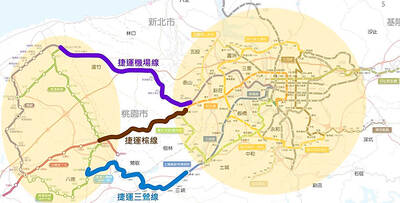
The Executive Yuan yesterday approved a southwestern extension of the Sanying MRT Line from New Taipei to Bade District (八德) in Taoyuan, with a goal of starting construction by late 2026. The 4.03-kilometer extension, featuring three new stations, will run from the current terminus at Yingtao Fude Station (LB12) in New Taipei City to Dannan Station (LB14), where it will connect with Taoyuan’s Green Line, New Taipei City Metro Corp said in a statement. This extension will follow the completion of core Sanying Line, a 14.29-kilometer medium-capacity system linking Tucheng (土城), Sansia (三峽)


 RSS
RSS