


A comprehensive anti-human trafficking law must include a clear definition of the issue as well as a mechanism that provides victims with care and protection in a dignified manner, a group of activists said yesterday at a public hearing on the draft of a statute on combating human trafficking.
According to the draft proposed by an alliance of non-governmental organizations combating human trafficking, the definition of human trafficking is any performance of labor that is derived from coercion, exploitation, unlawful imprisonment, illegal debt bondage, drugs, hypnosis, fraud, surveillance, detainment of important documents and threats.
Illegal extraction of human organs and the forced sex trade are also included under the umbrella of human trafficking, the draft states.
Shen Mei-chen (沈美真), a lawyer and president of the Women’s Rescue Foundation, said the law had to assert that the victims of trafficking should be treated in a dignified and humane manner if they are apprehended by the authorities.
They should also be allowed to work if they are asked to stay in Taiwan while awaiting trial, Shen said.
“The law must provide these people with enough incentives to stay in Taiwan to testify against their abusers. They need to know they would not encounter any risk by taking their aggressors to court,” Shen said, stressing that Taiwanese authorities, especially the judiciary, had to be educated on how to handle human trafficking cases in a professional and sensitive manner.
Reverend Peter O’Neill from Hsinchu Catholic Diocese’s Migrant and New Immigrants Service Center also urged the government to punish Taiwanese abusers and brokers, and not just the illegal foreign workers.
O’Neill said that some people are being detained in Taiwan against their will to testify in court even though they wanted to go home.
“The forced detention completely violates UN human rights protocols,” he said.
“We also need to determine the reason why some workers are here illegally,” said Wang Chuan-ping (王娟萍), executive director of the Labor Rights Association.
“Some people came to Taiwan with legal documents, but later became illegal foreigners because of their Taiwanese employers or brokers. We cannot stereotype all illegal workers as criminals without getting to the root of the issue,” Wang said.
The Collective of Sex Workers and Supporters advocated including sex workers in the laborer category, but many of the activists disagreed with the suggestion because the global trend is to treat the two subjects as separate.
Taiwan has for the past two years been placed on the “Tier 2” list in the US’ annual Trafficking in Persons Report for failing to comply with the “minimum standards to eliminate trafficking.”
The report recommended that Taiwan pass and implement a comprehensive anti-trafficking law prohibiting and punishing all severe forms of trafficking and extend the full protection of the Labor Standards Law to all categories of foreign labor, including domestic helpers and caregivers.
Yesterday’s public hearing was the first of a series, Chinese Nationalist Party (KMT) Legislator Wu Yu-sheng (吳育昇) said, promising that the draft would receive bipartisan support in the legislature.
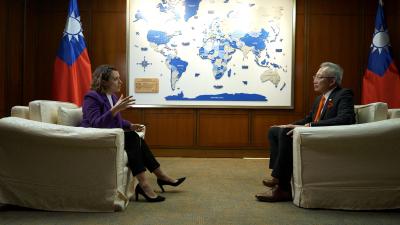
“China is preparing to invade Taiwan,” Deputy Minister of Foreign Affairs Francois Wu (吳志中) said in an exclusive interview with British media channel Sky News for a special report titled, “Is Taiwan ready for a Chinese invasion?” the Ministry of Foreign Affairs said today in a statement. The 25-minute-long special report by Helen Ann-Smith released yesterday saw Sky News travel to Penghu, Taoyuan and Taipei to discuss the possibility of a Chinese invasion and how Taiwan is preparing for an attack. The film observed emergency response drills, interviewed baseball fans at the Taipei Dome on their views of US President
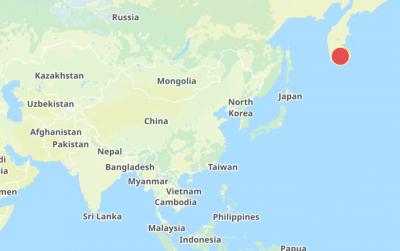
The Central Weather Administration (CWA) today issued a "tsunami watch" alert after a magnitude 8.7 earthquake struck off the Kamchatka Peninsula in northeastern Russia earlier in the morning. The quake struck off the east coast of the Kamchatka Peninsula at 7:25am (Taiwan time) at a depth of about 19km, the CWA said, citing figures from the Pacific Tsunami Warning Center. The CWA's Seismological Center said preliminary assessments indicate that a tsunami could reach Taiwan's coastal areas by 1:18pm today. The CWA urged residents along the coast to stay alert and take necessary precautions as waves as high as 1m could hit the southeastern

ECONOMIC BENEFITS: The imports from Belize would replace those from Honduras, whose shrimp exports have dropped 67 percent since cutting ties in 2023 Maintaining ties with Taiwan has economic benefits, Ministry of Foreign Affairs officials said yesterday, citing the approval of frozen whiteleg shrimp imports from Belize by the Food and Drug Administration (FDA) as an example. The FDA on Wednesday approved the tariff-free imports from Belize after the whiteleg shrimp passed the Systematic Inspection of Imported Food, which would continue to boost mutual trade, the ministry said. Taiwan’s annual consumption of whiteleg shrimps stands at 30,000 tonnes, far exceeding domestic production, the ministry said. Taiwan used to fill the gap by importing shrimps from Honduras, but purchases slumped after Tegucigalpa severed diplomatic ties with Taiwan
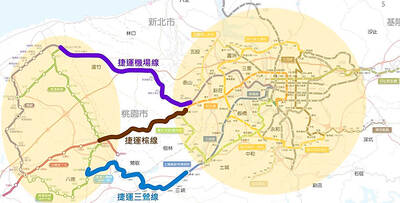
The Executive Yuan yesterday approved a southwestern extension of the Sanying MRT Line from New Taipei to Bade District (八德) in Taoyuan, with a goal of starting construction by late 2026. The 4.03-kilometer extension, featuring three new stations, will run from the current terminus at Yingtao Fude Station (LB12) in New Taipei City to Dannan Station (LB14), where it will connect with Taoyuan’s Green Line, New Taipei City Metro Corp said in a statement. This extension will follow the completion of core Sanying Line, a 14.29-kilometer medium-capacity system linking Tucheng (土城), Sansia (三峽)


 RSS
RSS