

Toxic chemicals from discarded electronic devices may be threatening endangered dolphins and porpoises in the South China Sea, according to a recent scientific study. Liquid crystal monomers (LCMs), chemicals widely used in smartphones, televisions and computer screens, were detected in several marine mammals. Scientists warned that these substances could pose risks to humans as well through contaminated seafood and water sources. The findings have raised concerns about the growing environmental harm caused by electronic waste worldwide.
The chemicals were found in different parts of the animals’ bodies, including blubber, the liver, the kidneys, muscles and even brain tissue. After examining tissue samples collected from Indo-Pacific humpback dolphins and finless porpoises between 2007 and 2021, researchers discovered how widely the pollutants had spread. What worried them most was that the chemicals had already crossed the blood-brain barrier and could damage important biological functions in marine animals.
Scientists believe the pollutants likely reached the marine mammals through the ocean food chain. Earlier studies had already identified similar chemicals in fish and other sea creatures commonly eaten by dolphins and porpoises. Some laboratory experiments have also shown that contact with LCMs may disrupt normal cell growth and DNA repair. Scientists also think the chemicals may accumulate in animals higher up the food chain.
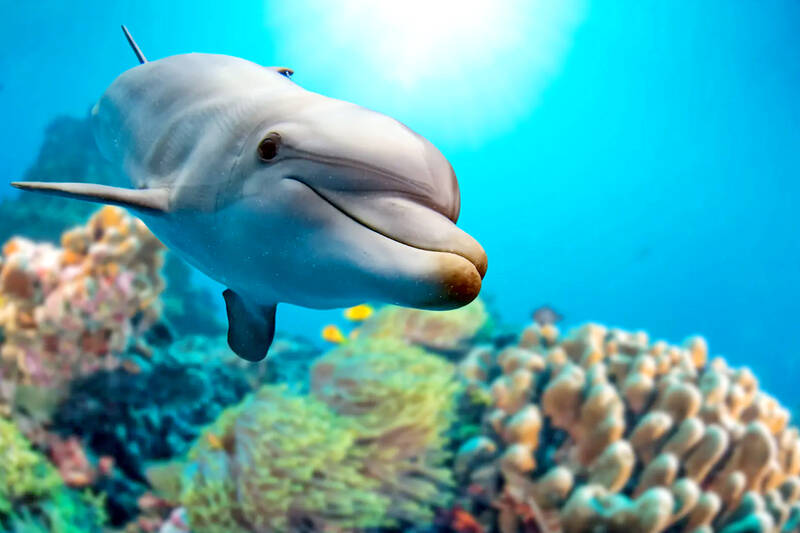
Photo: AdobeStock 照片: AdobeStock
As electronic waste continues to increase around the world, the problem may become even more serious in the future. Scientists urge consumers to extend the life of their electronic devices through repairs and to dispose of old electronics properly. They also call for stricter regulations for harmful chemicals used in electronic products as well as further research into how LCM pollution affects wildlife.
根據近期一項科學研究,廢棄電子裝置中的有毒化學物質可能正對南海瀕危的海豚與鼠海豚造成威脅。液晶單體(LCMs)是廣泛用於智慧型手機、電視與電腦螢幕的化學物質,已在數種海洋哺乳動物體內被檢出。科學家警告,這些物質也可能經由受汙染的海鮮與水源而對人類造成風險。這些發現使外界對全球電子廢棄物日益加劇的環境危害感到憂心。
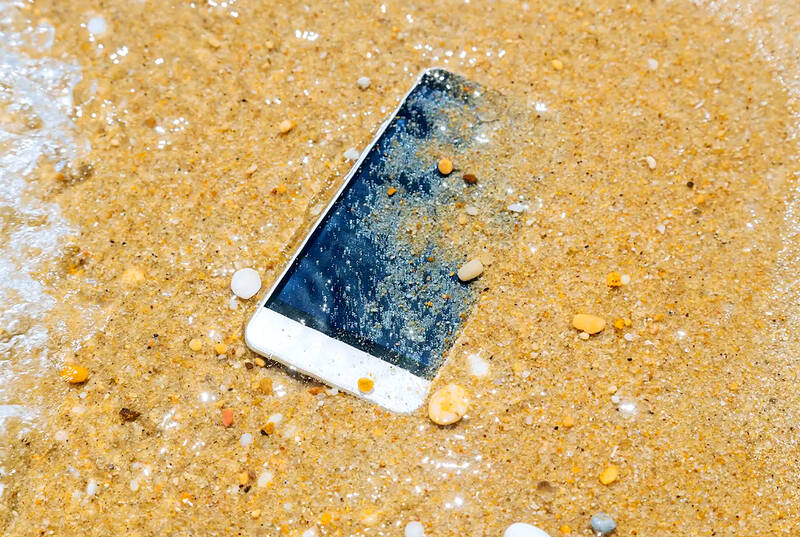
Photo: AdobeStock 照片: AdobeStock
這些化學物質在動物身體的不同部位中被發現,包括脂肪層、肝臟、腎臟、肌肉,甚至是腦組織。研究人員在檢驗 2007 年至 2021 年間採集的中華白海豚與江豚組織樣本後,發現這些汙染物已廣泛擴散。最令他們擔憂的是,這些化學物質已經穿越血腦屏障,可能會損害海洋動物的重要生理功能。
科學家認為,這些汙染物很可能是透過海洋食物鏈進入海洋哺乳動物體內。先前的研究已在魚類及其他海豚與鼠海豚常食用的海洋生物中發現類似化學物質。一些實驗室研究也顯示,接觸液晶單體可能會干擾正常的細胞生長與 DNA 修復。科學家也認為,這些化學物質可能會在食物鏈較高層的動物體內逐漸累積。
隨著全球電子廢棄物持續增加,這個問題未來可能變得更加嚴重。科學家呼籲消費者透過維修來延長電子裝置的使用壽命,並妥善處理廢棄電子產品。他們也呼籲政府對電子產品中使用的有害化學物質實施更嚴格的規範,並進一步研究液晶單體汙染對野生動物造成的影響。
What Did You Learn?
1. What devices mentioned in the passage contain LCMs?
2. How do LCMs most likely enter the bodies of dolphins and porpoises?
參考答案:
1. Smartphones, televisions and computer screens.
2. Through the ocean food chain.
Words in Use
1. toxic a. 有毒的
The factory dumped toxic chemicals into the river near the village. 這家工廠將有毒化學物質丟棄在村莊附近的河流裡。
2. discard vt. 丟棄(本文為過去分詞作形容詞用)
Hospitals must follow strict rules to discard medical waste safely. 醫院必須依照嚴格規範,安全丟棄醫療廢棄物。
3. mammal n. 哺乳動物
The blue whale is the largest mammal living on Earth today.
藍鯨是現今地球上最大的哺乳動物。
4. contaminated a. 受汙染的
Residents were warned not to drink the contaminated water.
居民被警告不要飲用受汙染的水。
5. tissue n.(動植物細胞的)組織
Doctors examined tissue samples collected from several sick marine animals.
醫生檢查了從數種患病海洋動物身上採集的組織樣本。
Practical Phrases
1. raise concerns about. . . 引發對……的擔憂
concern n. 擔心(的事)
The rise in food prices has raised concerns about inflation. 食品價格上漲已引發對通貨膨脹的擔憂。
2. urge. . . to V 敦促∕力勸……(做)……
urge vt. 力勸
Environmental groups urged companies to reduce the use of plastic packaging.
環保團體敦促企業減少使用塑膠包裝。
3. dispose of. . . 處理∕處置……
dispose vi. 處置
Hospitals must dispose of sheets and gowns carefully. 醫院必須小心地處理床單和病袍。
4. call for. . . 呼籲∕要求……
Many citizens called for better public transportation in the city.
許多市民呼籲改善該市的大眾運輸。
聽文章朗讀及講解: https://ivy.pse.is/455bfu
本文出自常春藤解析英語雜誌: www.ivy.com.tw
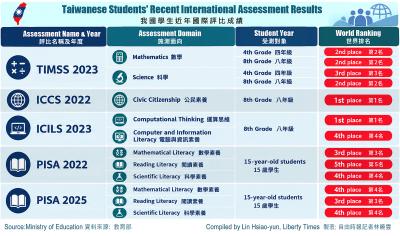
Taiwanese students have achieved impressive results in four major international assessments in recent years. Across mathematics, science, reading, civic knowledge, computer and information literacy, computational thinking and problem-solving, Taiwanese students ranked among the world’s top five. They ranked first in the world in civic knowledge and computational thinking, reflecting concrete results from the 12-year Basic Education Curriculum’s emphasis on competency-based learning. Concrete Results from the 12-year Basic Education Curriculum The Trends in International Mathematics and Science Study (TIMSS) assesses fourth- and eighth-grade students in mathematics and science, with 70 countries and education systems participating. In 2023, Taiwan’s fourth-graders ranked second in the

At first glance, quinoa looks like just another grain on a supermarket shelf, but this tiny seed carries a history far richer than most people realize. Botanically, it belongs to the same family as spinach and beets. It is not a true grain at all, but a seed humans have relied on for thousands of years. Quinoa originated in the Andes Mountains of South America—particularly in Peru, Bolivia and Chile—where it has been cultivated for over 5,000 years. For the Inca civilization, quinoa was far more than a food source. They called it chisaya mama, meaning “the mother of all grains,”
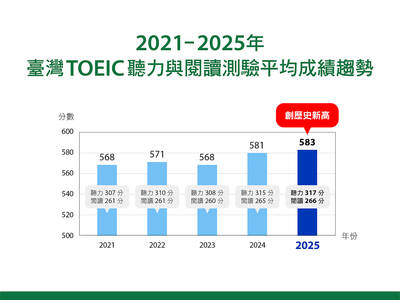
A: According to statistics of the 990-point TOEIC Listening and Reading Test, Taiwan’s score rose by 2 points to a new high of 583 points in 2025. B: It’s still far behind Asia’s “700-point Club” members: India, the Philippines and Malaysia, or the nearly 700-point South Korea. A: Why was the average for Taiwanese university students so much lower than high school seniors’ average of 655 points once again? B: Many universities attach little importance to language learning courses, and have even changed the basic “Freshman English” from compulsory to elective. Most students simply stop learning English after starting
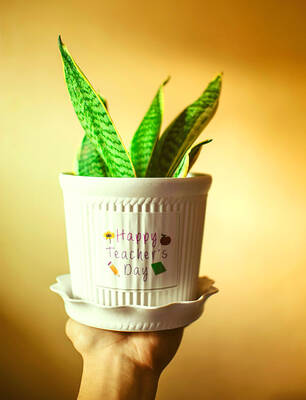
對話 Dialogue 清清:華華,連假你是怎麼過的? Qīngqing: Huáhua, liánjià nǐ shì zěnme guò de? 華華:昨天是教師節,我跟幾個同學去看了我們以前的一位老師。 Huáhua: Zuótiān shì Jiàoshījié, wǒ gēn jǐ ge tóngxué qù kànle wǒmen yǐqián de yí wèi lǎoshī. 清清:哇!你跟老師還有聯絡喔?真不簡單! Qīngqing: Wa! Nǐ gēn lǎoshī hái yǒu liánluò o? Zhēn bù jiǎndān! 華華:那位老師是我的高中老師,以前很照顧我們,所以畢業以後大家都還常回去看他。 Huáhua: Nà wèi lǎoshī shì wǒde gāozhōng lǎoshī, yǐqián hěn zhàogù wǒmen, suǒyǐ bìyè yǐhòu dàjiā dōu hái cháng huíqù kàn tā. 清清:你們跟老師的感情真好!老師還在教書嗎? Qīngqing: Nǐmen gēn lǎoshī de gǎnqíng zhēn hǎo! Lǎoshī hái zài jiāoshū ma? 華華:老師去年退休了,但還在學校兼課,他一直都教得很好。 Huáhua: Lǎoshī qùnián tuìxiū le, dàn hái zài xuéxiào jiānkè, tā yìzhí dōu jiāo de hěn hǎo. 清清:在念書的時候能遇到好老師是福氣,值得一輩子感恩。 Qīngqing: Zài niànshū de shíhòu néng yùdào hǎo lǎoshī, shì fúqì, zhídé yí bèizi gǎn’ēn. 華華:沒錯,所以我們昨天才一起去祝老師教師節快樂,也謝謝老師啊! Huáhua: Méicuò,


 RSS
RSS