


When people think of Spain, they often picture bullfights and flamenco—but there’s another celebration you shouldn’t miss. Every March, Valencia comes alive with “Las Fallas.” Its origins go back centuries to when carpenters burned wooden scraps they no longer needed to welcome spring as winter ended. Over time, the custom evolved from bonfires to giant street sculptures called fallas. This tradition has since developed into a UNESCO-recognized event that attracts millions of visitors.
This festival centers on the ritual burning of falla monuments. Each monument is made up of several ninots: giant puppets that are crafted all year by local artists. These elaborate figures, sometimes soaring several stories high, are made from wood, cardboard, and sometimes polystyrene. They typically mock corrupt politicians, celebrities and current events with clever humor and artistic creativity. Before the burning ceremony, residents vote to save their favorite ninot from destruction. This chosen sculpture earns a permanent home in Valencia’s Fallas Museum.
The core celebrations unfold from March 15 to 19, and about 800 fallas are installed at around 400 sites across Valencia. On the last night, the final event La Crema, which means “the burning,” begins. Small holes are cut into the sculptures and packed with fireworks. At midnight, the city’s streetlights dim, and flames consume the artistic creations. A fiery orange glow lights up Valencia, accompanied by thunderous explosions and cheering crowds. More than just a grand ending, this ritual stands for the end of the old and the welcoming of the new.
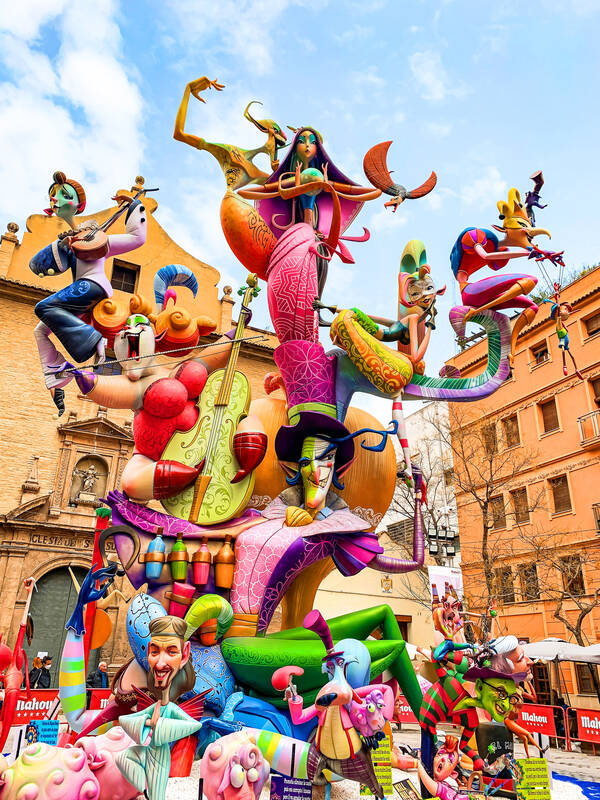
Photo: Unsplash 照片:Unsplash
However, there’s much more to Las Fallas than that. Each afternoon at 2 pm, the city trembles with La Mascleta, a thunderous firecracker show in the city center that focuses on sound and rhythm. Moreover, the festival features bullfights, parades, and even paella-cooking contests. For those drawn to spectacle and tradition, Las Fallas is definitely the place to be.
當人們想到西班牙時,常浮現鬥牛與佛朗明哥舞的畫面——但還有另一個你絕對不該錯過的慶典。每年三月,瓦倫西亞會因法雅節(Las Fallas)而熱鬧起來。它的起源可追溯至幾個世紀前,當時木匠們會在冬天結束時焚燒不再需要的木屑來迎接春天。久而久之,這項習俗從篝火演變為被稱作法雅(falla)的巨型街頭雕塑。這項傳統如今已發展成為聯合國教科文組織認可的盛事,吸引了數百萬遊客。
這個節慶以焚燒法雅紀念塔的儀式為主。每座紀念塔由數個尼諾(ninot)組成:由當地藝術家耗費一整年製作而成的巨型木偶。這些精緻的人偶有時高達數層樓,由木材、紙板,有時也會用保麗龍製成。它們常以機智幽默與藝術創意來嘲諷貪腐的政客、名人或時事話題。在焚燒儀式前,居民會投票選出最喜愛的一個尼諾,使其免於被燒毀。這個被選中的雕塑將被永久收藏於瓦倫西亞的法雅博物館。
主要的慶祝活動自 3 月 15 日至 19 日展開,約有 800 座法雅分別設置在瓦倫西亞市內約 400 個地點。在最後一晚,壓軸活動火祭(La Crema,意為「焚燒」)開始了。人們會在雕塑上鑿出小孔,並塞入煙火。午夜時分,城市的街燈暗了下來,火焰吞噬這些藝術作品。橙色的火光照亮了整個瓦倫西亞,伴隨著雷鳴般的爆炸與群眾歡呼。這個儀式不只是一個壯觀的結尾,也象徵著除舊佈新。
然而,法雅節遠不止於此。每天下午兩點的煙火表演(La Mascleta)更讓全城為之顫動:這是一場在市中心舉行、以聲響和節奏為主的震撼鞭炮秀。此外,節慶期間還有鬥牛、遊行,甚至是西班牙燉飯烹飪比賽。對喜愛奇觀與傳統的人來說,法雅節絕對是不容錯過的節慶。
MORE INFORMATION
bullfight n. 鬥牛
flamenco n. 佛朗明哥舞
Valencia n. 瓦倫西亞(西班牙第三大城市)
bonfire n. 火堆;篝火
cardboard n. 硬紙板
polystyrene n. 保麗龍;聚苯乙烯
firecracker n. 鞭炮;爆竹
paella n. 西班牙燉飯
spectacle n. 壯觀景象
KEY VOCABULARY
1. explosive adj.
爆炸(性)的;迅速擴大的
Explosive materials must be stored carefully to prevent accidents in the lab.
為防止實驗室發生事故,爆炸性材料必須小心存放。
2. scrap n. 廢料;碎片
Nicole used a small scrap of fabric to patch the hole in her backpack.
妮可用一塊小布料碎片補起背包上的破洞。
3. sculpture n. 雕塑;雕像
David spent months working on a sculpture made entirely of recycled materials.
大衛花了好幾個月製作一件完全由回收材料製成的雕塑。
4. monument n. 紀念碑;遺跡
A new monument was placed in the city square to remember the victims of the disaster.
城市廣場設了一座新的紀念碑緬懷災難中的罹難者。
5. soar vi. 高達;驟升;翱翔
Summer temperatures in the city can soar to 40°C during heatwaves.
夏季熱浪來襲時,這座城市的氣溫可高達攝氏40度。
6. corrupt adj. 腐敗的;墮落的
The company fired a corrupt manager who manipulated reports and demanded gifts from suppliers.
公司開除了一名貪腐的主管,他篡改報告並向供應商索取禮物。
7. ceremony n. 典禮;儀式
Roy and Molly’s wedding ceremony was small and warm, with only both families and their best friends present.
羅伊和茉莉的婚禮儀式小巧溫馨,只邀請雙方家人與最要好的朋友到場。
8. tremble vi. 震動;顫抖
The windows trembled with thunder, and the dog hid under the sofa.
雷聲響起時窗戶震動,狗躲到沙發底下。
9. definitely adv. 當然;肯定地
You definitely need to bring a jacket because it gets cold after sunset.
你一定要帶外套,因為太陽一下山就會變冷。
空中美語APP+︰全新AI學習,限時免費!(學習音檔) https://www.english4u.net/qr/app.html
文章由AMC空中美語授權使用: https://www.english4u.net

A: Which team do you think will win the championship in the 2026 World Baseball Classic? B: The previous champion Japan and runner-up the US are exceptionally strong. A: The Taiwan team was captained by Chen Chieh-hsien with a roster of 16 pitchers, 3 catchers and 11 fielders, and was quite strong, too. B: Yeah, players like Hu Chih-wei, Lin Tzu-wei, Yu Chang and Cheng Tsung-che all played in Major League Baseball. And this tournament marked the first call-up of mixed-race talent: MLB’s Stuart Fairchild. A: There are also some Taiwanese stars playing in Japan, including

Candles were made from animal fats in ancient times. As knowledge and materials improved, people began making them with beeswax and vegetable wax, which burned more cleanly and produced less odor. Before __1__ lighting, candles were considered highly valuable. In many religions, they came to symbolize life and wisdom. Even today, candles are frequently used in religious rituals and for cultural celebrations. The __2__ toward industrial candle making began in 1834, when Joseph Morgan patented a machine that could produce molded candles without interruption. His __3__ marked the start of mechanized production, though for many decades, candles were still
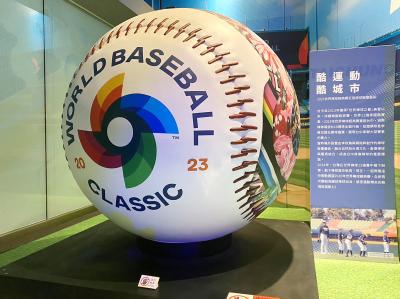
A: Did you watch the preliminary games of the 2026 World Baseball Classic? Pool C included Australia, the Czech Republic, Japan, South Korea and Taiwan. All the games in Tokyo were absolutely intense. B: Of course. Many teams called up star players from Major League Baseball this time. Going up against players like Shohei Ohtani must come with enormous pressure. A: Japan and South Korea ultimately advanced to the quarterfinals, which are scheduled for March 14 and 15 in Miami. B: What about the semifinals and the final? A: The semifinals are set for the 16 and 17, followed
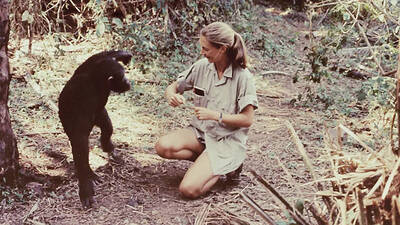
Jane Goodall, the pioneering scientist whose groundbreaking research changed our understanding of chimpanzees and reshaped the study of animal behavior, has died at the age of 91. The Jane Goodall Institute confirmed that she passed away from natural causes in California in October 2025 while on a speaking tour. Born in England, Goodall gained international fame in the 1960s after traveling to Tanzania to study wild chimpanzees under the guidance of anthropologist Louis Leakey. At the time, she had no formal scientific training, yet she lived among the animals and recorded their behavior in remarkable detail. Her discovery that


 RSS
RSS