


對話 Dialogue
清清:華華,別忘了這禮拜五晚上,老闆請喝春酒喔!
Q?ngqing: Huahua, bie wangle zhe l?baiw? w?nshang, l?ob?n q?ng h? ch?nji? o!
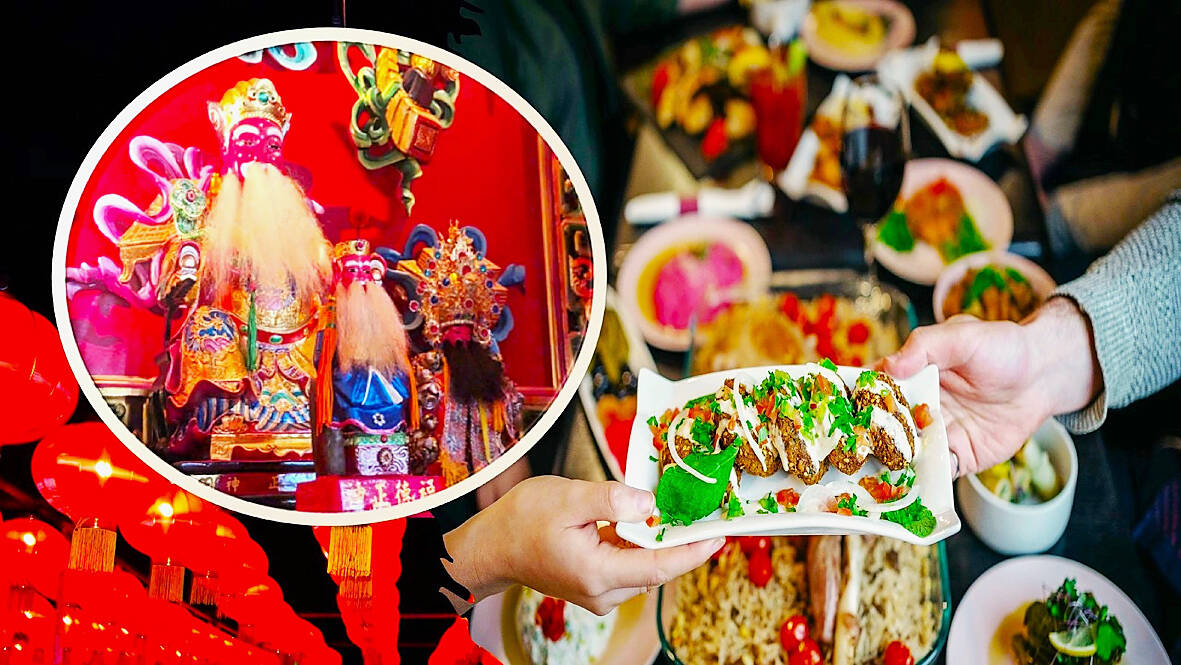
Photo courtesy of Wikimedia commons & Unsplash 照片:維基共享資源 & Unsplash
華華:啊!我差點忘了,謝謝提醒。
Huahua: A! W? chadi?n wangle, xiexie tix?ng.
清清:老闆人真好,過年前請我們吃尾牙,過完年又請吃春酒。
Q?ngqing: L?ob?n ren zh?n h?o, guonian qian q?ng w?men ch? W?iya, guowan nian you q?ng ch? ch?nji?.
華華:尾牙是感謝我們過去一年的辛勞,春酒是希望我們今年繼續努力啊!
Huahua: W?iya shi g?nxie w?men guoqu yi nian de x?nlao, ch?nji? shi x?wang w?men j?nnian jixu n?li a!
清清:給我加薪,我就努力。
Q?ngqing: G?i w? ji?x?n, w? jiu n?li.
華華:還真是「有錢能使鬼推磨」。
Huahua: Hai zh?n shi “Y?u qian neng sh? gu? tu? mo.”
清清:那還用說。對了!別只顧著吃,頭牙快到了,農曆二月二是土地公生日,記得跟我去拜拜。
Q?ngqing: Na hai yong shu?. Duile! Bie zh? guzhe ch?, Touya kuai daole, nongli er yue er shi T?dig?ng sh?ngri, jide g?n w? qu baibai.
華華:沒問題,東西我來準備,放心吧!一起發大財!
Huahua: Mei wenti, d?ngxi w? lai zh?nbei, fangx?n ba! Yiq? f? dacai!
翻譯 Translation
Q?ngqing: Huahua, don’t forget the boss is hosting the spring party this Friday night.
Huahua: Oh. I almost forgot, thanks for the reminder.
Q?ngqing: The boss is really kind, treating us to the year-end banquet before the New Year and a spring party afterwards.
Huahua: The year-end banquet is to thank us for our hard work last year, while the spring party is to encourage us to keep working hard this year.
Q?ngqing: Give me a raise, and then I’ll work hard.
Huahua: Money really makes the world go round, doesn’t it?
Q?ngqing: You bet. By the way. Don’t just think about eating, the Touya Festival is coming up. The second day of the second lunar month is the Earth God’s birthday. Remember to come to the temple with me.
Huahua: No problem. I’ll prepare the offerings, don’t worry. Let’s strike it rich together.
生詞 Vocabulary
1. 頭牙 (Touya) Touya Festival
(the first lunar sacrifice to the Earth God)
2. 尾牙 (W?iya) Year-end banquet
3. 辛勞 (x?nlao) hard work; toil
4. 加薪 (ji?x?n) a salary increase or raise
5. 農曆 (nongli) lunar calendar
6. 土地公 (T?dig?ng) the Earth God
7. 拜拜 (baibai) to worship;
offer sacrifices to deities
8. 發大財 (f? dacai) to make a great fortune
教材音檔 Audio Files
國立清華大學華語中心提供
By National Tsing Hua University Chinese Language Center:

A: Which team do you think will win the championship in the 2026 World Baseball Classic? B: The previous champion Japan and runner-up the US are exceptionally strong. A: The Taiwan team was captained by Chen Chieh-hsien with a roster of 16 pitchers, 3 catchers and 11 fielders, and was quite strong, too. B: Yeah, players like Hu Chih-wei, Lin Tzu-wei, Yu Chang and Cheng Tsung-che all played in Major League Baseball. And this tournament marked the first call-up of mixed-race talent: MLB’s Stuart Fairchild. A: There are also some Taiwanese stars playing in Japan, including

Candles were made from animal fats in ancient times. As knowledge and materials improved, people began making them with beeswax and vegetable wax, which burned more cleanly and produced less odor. Before __1__ lighting, candles were considered highly valuable. In many religions, they came to symbolize life and wisdom. Even today, candles are frequently used in religious rituals and for cultural celebrations. The __2__ toward industrial candle making began in 1834, when Joseph Morgan patented a machine that could produce molded candles without interruption. His __3__ marked the start of mechanized production, though for many decades, candles were still
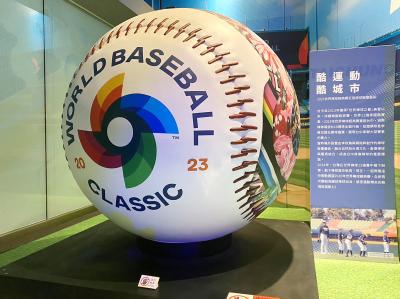
A: Did you watch the preliminary games of the 2026 World Baseball Classic? Pool C included Australia, the Czech Republic, Japan, South Korea and Taiwan. All the games in Tokyo were absolutely intense. B: Of course. Many teams called up star players from Major League Baseball this time. Going up against players like Shohei Ohtani must come with enormous pressure. A: Japan and South Korea ultimately advanced to the quarterfinals, which are scheduled for March 14 and 15 in Miami. B: What about the semifinals and the final? A: The semifinals are set for the 16 and 17, followed
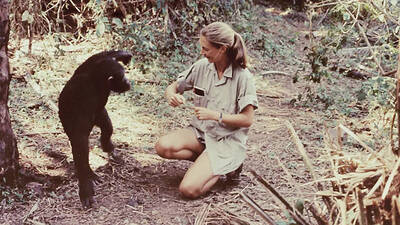
Jane Goodall, the pioneering scientist whose groundbreaking research changed our understanding of chimpanzees and reshaped the study of animal behavior, has died at the age of 91. The Jane Goodall Institute confirmed that she passed away from natural causes in California in October 2025 while on a speaking tour. Born in England, Goodall gained international fame in the 1960s after traveling to Tanzania to study wild chimpanzees under the guidance of anthropologist Louis Leakey. At the time, she had no formal scientific training, yet she lived among the animals and recorded their behavior in remarkable detail. Her discovery that


 RSS
RSS