


Every few years, the World Baseball Classic (WBC) offers sports fans a real World Series. At its finest, as in the shocking upset on Tuesday last week of the US team by Italy, the games generate the kind of electricity fans feel at the FIFA World Cup.
That’s exactly how Major League Baseball (MLB), which owns the WBC, wants it. The tournament, first played in 2006, was designed to boost the league’s profile beyond North America and help it become a global game. In most respects, it’s done better than expected.
Yet as the WBC grows, the structure, timing and staging of the Classic reflect the priorities of MLB’s New York office more than those of federations from Tokyo to San Juan.
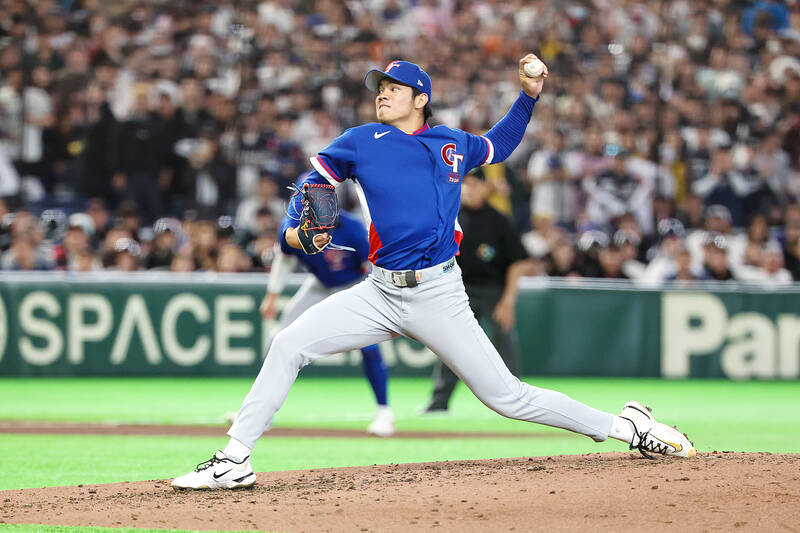
Photo: CNA 照片:中央社
If MLB wants the Classic to evolve into a true World Cup, the league needs to give the rest of the baseball world a bigger role in how it’s run.
Attention to the WBC specifically reflects the growth, in part because of how the tournament blends local stars with MLB players representing countries tied to their citizenship and family heritage. That’s how Vinnie Pasquantino, an American-born first baseman, ends up playing for Italy. The 2023 edition drew record attendance — more than 1.3 million fans — to stadiums in Japan, Taiwan and the US. Television viewership was even more impressive. In Japan, some games were watched by more than 40 percent of all households. By MLB’s own estimate, the tournament generated as much as US$100 million in revenue.
However, globalization is a growth opportunity that MLB has at times monopolized.
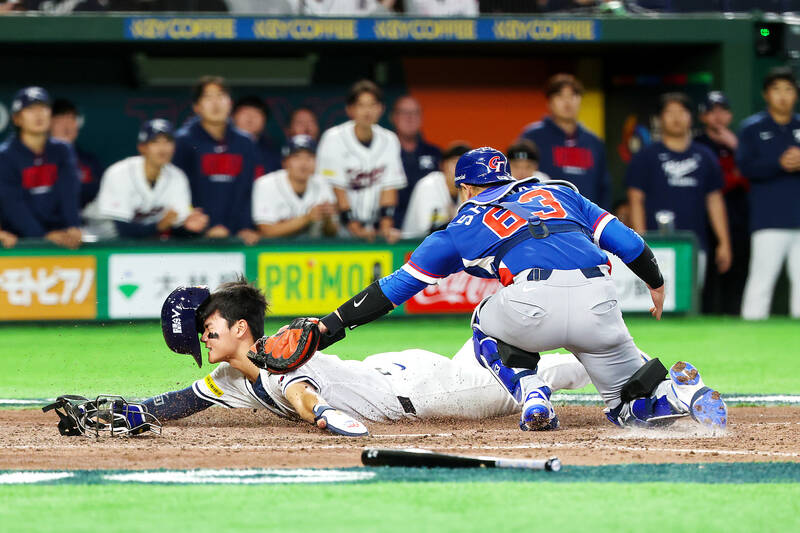
Photo: CNA 照片:中央社
The financial structure of the inaugural 2006 World Baseball Classic reflected that power imbalance. After funding the tournament, the league and the MLB Players Association kept half the profits. Japan, which won the tournament, received 10 percent; Cuba, the runner-up, received 7 percent.
During the Classic’s first decade, Japanese players were so upset over the uneven divide that they threatened to boycott future tournaments. Fortunately, a resolution was reached, and today revenue is evenly split between MLB, the MLB Players Association and international baseball federations, according to Sports Business Journal.
But leveling out the money hasn’t leveled out control — MLB still writes the rules, starting with the timing. The tournament is wedged into a couple of weeks during MLB’s spring training, so that games don’t disrupt the league’s regular season. However, not every league outside of the US follows MLB’s schedule. Some, such as Caribbean winter leagues, finish their schedules in late winter. That means some players aren’t yet in peak form, while others are worn down.
For MLB, the concern isn’t necessarily the imbalance itself but who bears the risk. The league’s interest is in protecting the health of its own athletes — whether they’re playing for Team USA in the WBC or not. In early March, its pitchers aren’t ready to throw full games. The league’s own studies show that’s when injuries spike. So to mitigate the risk, MLB institutes strict WBC pitch counts that limit how long pitchers stay on the mound during the early rounds (they lengthen once elimination games begin). The structure means that managers must lean on deep bullpens rather than rely on durable, inning-eating starters. It’s a style more akin to spring training, and it inhibits teams from maximizing their talent to win.
Players aren’t the only ones feeling left out during the Classic. National federations and leagues build audiences over decades, yet MLB decides how the WBC is showcased in their markets. This year, for example, the league awarded Netflix Inc. the exclusive right to broadcast and stream the WBC in Japan. It’s a lucrative deal, but the paywall has generated frustration in a country where baseball is typically available on free TV.
Collectively, these decisions anchor the WBC to a US-centric past — one that MLB has signaled it wants to outgrow via global initiatives. The good news is that MLB can take some simple steps to share authority over the tournament and its benefits.
It should start by creating an independent organizing committee with seats for major federations in Asia and Latin America. Such an organization would set rules, venues and schedules in the interests of the sport, not just its wealthiest and most powerful league.
(Bloomberg)
每隔幾年,世界棒球經典賽(World Baseball Classic, WBC)就會帶給球迷一場真正的「世界大賽」。在最精彩的時刻,例如上週二義大利爆冷擊敗美國隊,現場氣氛所激起的熱度,幾乎可與國際足總世界盃(FIFA World Cup)相提並論。
這正是經典賽主辦單位美國職棒大聯盟(Major League Baseball, MLB)所期望看到的。經典賽在2006年首次舉辦,其目的就是要提升大聯盟在北美以外的能見度,並讓棒球成為真正的全球運動。在大多數層面,它的成果甚至超出預期。
然而,隨著經典賽的規模不斷擴大,其制度設計、比賽時間及舉辦方式,仍多以大聯盟紐約總部為中心考量,而非日本東京到波多黎各聖胡安等各地棒球協會的需求。
如果大聯盟希望經典賽發展成真正的「棒球世界盃」,就必須讓全球其他棒球組織在賽事運作中扮演更重要的角色。
經典賽所受到的關注持續增加,部分原因在於經典賽成功結合了各國本土球星,以及根據國籍或族裔代表各國出賽的大聯盟球員。例如出生於美國的一壘手帕斯昆汀諾(Vinnie Pasquantino),就代表義大利出賽。2023年的經典賽創下了歷史新高的現場觀眾紀錄——在日本、台灣與美國的球場共吸引超過130萬名球迷進場觀戰。電視收視率更是驚人。在日本,部分比賽的收視率甚至超過40%。根據大聯盟自己的估計,該屆經典賽創造了高達1億美元的收入。
全球化本應為成長契機,但有時大聯盟卻壟斷了一切。
2006年首屆經典賽的財務分配就反映了這種權力不對等。在扣除賽事成本後,大聯盟與美國職棒球員工會(MLB Players Association, MLBPA)拿了一半的利潤;奪冠的日本隊只分得10%,亞軍古巴則獲 7%。
在經典賽最初十年間,日本球員對這種不公平分配極為不滿,甚至曾威脅要抵制未來的賽事。所幸最後達成協議。根據《體育商業雜誌》(Sports Business Journal)報導,如今賽事的收入已由大聯盟、美國職棒球員工會以及各國棒球協會平均分配。
然而,金錢分配的改善並未帶來控制權的平衡——大聯盟仍掌握規則制定權,首先體現在賽程安排上。經典賽被硬塞在大聯盟春訓期間的短短幾週內舉行,以避免影響大聯盟例行賽。然而,並非所有美國以外的聯盟都跟大聯盟的賽季節奏同步,例如加勒比海的冬季聯盟通常在冬末才結束賽季。結果是有些球員尚未調整到最佳狀態,而另一些球員則早已疲憊不堪。
對大聯盟而言,問題並不只是這種不平衡本身,而是誰承擔風險。大聯盟最關心的是保護自家球員的健康——無論他們是否代表美國參加經典賽。每年3月初,投手通常還未準備好投完整場比賽。大聯盟自己做的研究也顯示,這段時間正是傷病發生率最高的時期。因此為了降低風險,大聯盟在經典賽設定嚴格的投球數限制,限制投手在前幾輪比賽的投球量(淘汰賽開始後才會放寬)。這種制度使總教練必須依賴深厚的牛棚〔即擁有多名高素質、可信賴的後援投手,能有效分擔比賽後期局數,戰力充沛〕,而不是仰賴能長局數投球的先發投手。這種打法更像春訓比賽,也限制了球隊充分發揮戰力、爭取勝利的能力。
在經典賽期間感到被排除在外的,不只有球員。各國棒球協會與聯盟花了數十年建立球迷基礎,但大聯盟卻決定經典賽在這些市場如何被呈現。例如今年,大聯盟將日本地區的經典賽轉播與串流獨家權授給Netflix。這是一筆相當可觀的交易,但付費牆模式在日本引發不滿,因為當地的棒球賽事通常可以在電視上免費觀看。
綜合來看,這些決策讓經典賽仍停留在一種以美國為中心的舊思維之中——而大聯盟自身其實已透過多項全球化策略表明希望擺脫這種局面。好消息是,大聯盟其實可以採取一些簡單措施,與全球棒球界分享賽事的決策權與收益。
第一步應該是成立一個獨立的賽事組織委員會,讓亞洲與拉丁美洲主要棒球協會擁有席位。這樣的組織將能從整個運動發展的角度,而不是只從最富有、最具權力的聯盟利益出發,來決定賽事規則、舉辦地點與賽程安排。
(台北時報林俐凱編譯)
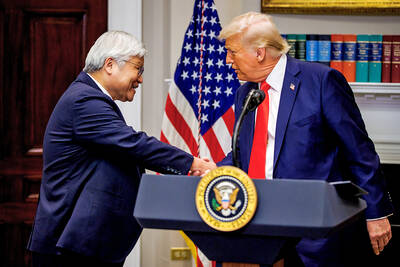
A: Time magazine recently released its list of “The 100 Most Influential People of 2026.” It’s categorized into six groups: Artists, Pioneers, Titans, Icons, Leaders and Innovators. B: TSMC chairman C.C. Wei made the list this year. Which category is he in? A: Wei is actually among the Pioneers, with figures including Disney CEO Josh D’Amaro and MrBeast — the first YouTuber ever to surpass 400 million subscribers. B: Led by Wei, Taiwan’s “silicon shield” TSMC is the sixth-largest company in the world. A: As Nvidia founder Jensen Huang wrote in his introduction, “C.C. Wei is truly one of the

A: In the 2026 Time 100 list, besides TSMC chairman C.C. Wei in the Pioneers category, Blackpink’s Jennie also stands out in the Artists group. B: What about the Titans and Icons? A: The Titans include legendary fashion designer Ralph Lauren, Google CEO Sundar Pichai, and Intel CEO Tan Lip-bu. The Icons include actor Wagner Moura, Olympic gold figure skater Alysa Liu and singer Victoria Beckham. B: What about the Leaders and Innovators? I bet US President Donald Trump and Chinese President Xi Jinping are on the list. A: You got it. Other Leaders include Japanese PM Sanae
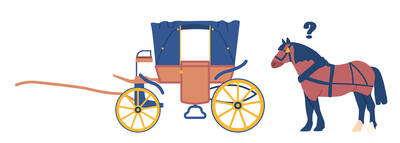
Put the Cart Before the Horse 本末倒置 Iris: I think I’m in love. Carl: What? Iris: We just have so much in common. We like all of the same things. Carl: Yes, but you’ve only chatted with him online. Iris: It doesn’t matter. I know we’ll end up getting married. Carl: I’m afraid you’re putting the cart before the horse. You should at least meet him first. Iris: OK, OK. I’ll do that. 艾瑞絲: 我想我戀愛了。 卡 爾: 什麼? 艾瑞絲: 我們就是有那麼多的共通點。我們喜歡的東西都一樣。 卡 爾: 是沒錯,不過妳和他只在網路上聊過天而已。 艾瑞絲: 那不重要。我知道我們最後一定會步入禮堂。 卡 爾: 妳恐怕是本末倒置了吧。妳至少應該先跟他見個面。 艾瑞絲: 好啦,好啦。我會的啦。 A tough cookie 強悍的人∕堅強的人 Tracy: I heard you went out with Iris last night. Justin: Yeah. We

1. 他非常討厭偽君子。 ˇ He has a deep hatred for hypocrites. χ He has a deep hatred to hypocrites. 註︰表示「對某人懷著愛、恨」等, 常用 have a love for/of, have a hatred for/of。 例如: We have a love for/of science. The working people have a hatred for/of all forms of exploitation. 2. 問題的答案其實不難找。 ˇ The answer to this question is not difficult to find. χ The answer of this question is not difficult to find. 註︰中文中的「的」在英語中不一定都用 of 來表示,有時須用 to。其他的例子如下: 我把房間的鑰匙弄丟了。 I lost the key to the room. 中間矗立著烈士紀念碑。 In the center stands the monument to the martyrs. 這部電影的續集你看過沒有? Have you seen the sequel to the movie? 3. 比起那家餐廳,他更喜歡這家。 ˇ He prefers this restaurant to that one. ˇ He likes


 RSS
RSS