


Contrary to popular belief, glass bottles may pose a greater microplastic risk than plastic ones. A recent study found that beverages stored in glass bottles can contain up to 50 times more microplastic particles than those in plastic containers.
Researchers traced most of the contamination to the paint on the outside of the metal caps. The particles found in the drinks matched the cap’s coating in both color and composition. Experts suggest the issue may result from microscopic scratches that form as caps rub against each other during transport or storage. Such scratches can damage the painted coating, leading to the release of microplastic particles. When the caps are sealed onto bottles, these particles can fall into the drink.
The findings raise new concerns about packaging safety and highlight the overlooked role of bottle closures as a hidden source of microplastic contamination in beverages.
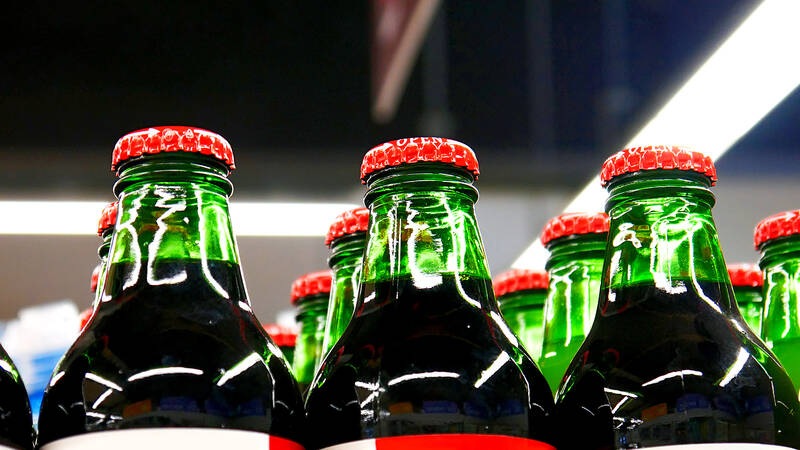
Photo: AdobeStock I 照片: AdobeStock
與普遍的看法相反,玻璃瓶可能比塑膠瓶帶來更大的微塑膠風險。最近一項研究發現,貯存在玻璃瓶中的飲料所含的微塑膠顆粒可能比塑膠容器中的含量多出高達五十倍。
研究人員追查發現大部分汙染源自金屬瓶蓋外層的塗漆。飲料中發現的顆粒在顏色和成分上皆與瓶蓋塗層相符。專家認為這個問題可能是運輸或存放過程中瓶蓋相互摩擦而形成的微小刮痕所造成的。這樣的刮痕會損壞塗層,導致釋放出微塑膠顆粒。當蓋子密封在瓶子上時,這些顆粒可能會掉入飲料中。
這些研究結果引發了對包裝安全的新疑慮,並指出了瓶蓋是飲料微塑膠汙染中被忽略的隱形來源。
Words in Use
1. beverage n. 飲料
The cafe offers a wide selection of beverages, including herbal teas and milkshakes. 這間咖啡廳提供多種飲品,包括花草茶和奶昔。
2. contamination n. 汙染
The chemical spill from the factory caused water contamination. 工廠外洩的化學物質造成水汙染。
3. composition n. 成分
Researchers analyzed the soil composition to assess its suitability for agriculture. 研究人員分析了土壤成分以評估其是否適合農業。
4. scratch n. 刮痕;抓傷,劃傷
Kevin’s cat left several scratches on the sofa. 凱文的貓在沙發上留下了好幾道抓痕。
5. storage n. 儲存,貯藏
This room is for the storage of all our old books. 這間房間是用來存放我們所有的舊書。
Practical Phrases
1. pose a risk (to sb/sth)(對某人∕某事)造成風險
Using the medication improperly can pose a risk to your health. 不正確的用藥方式會對你的健康造成風險。
2. trace A to B 查出 A 的原因∕來源是 B
Jack tried to trace the problem to its source. 傑克試著查出這個問題的根源。
聽文章朗讀及講解: https://ivy.pse.is/455bfu
本文出自常春藤解析英語雜誌: www.ivy.com.tw
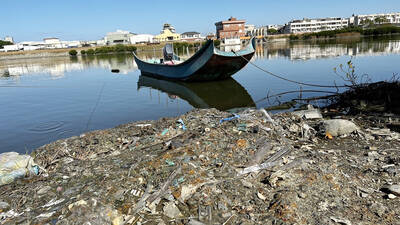
Many consumers are guilty of filling drawers or closets with old laptops, cellphones, fitness trackers and other electronic devices once they are no longer needed. It’s hard to know where to recycle such items, or it seems costly and inconvenient to do so. The world generates millions of tons of electronic waste — also called e-waste — each year. According to the UN’s most recent estimate, people worldwide produced 62 million metric tons of e-waste in 2022, and only about 22 percent of it was properly recycled. The US’ Environmental Protection Agency estimates that less than a quarter of e-waste is
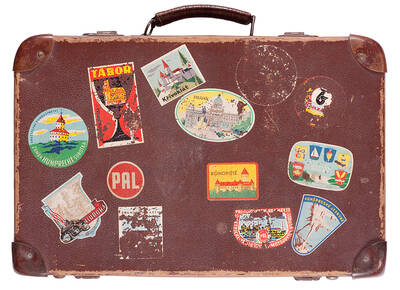
Travel fever is back, and it’s contagious. After years of being kept home during the COVID-19 pandemic, people are once again eager to explore the world. Rather than just book any trip, travelers are getting smarter about how they scratch that travel itch. Microcation Defined as four days or fewer and over 160km away from home, the microcation perfectly matches the post-pandemic mindset. After long periods of remaining indoors, people are making up for lost time by taking short, frequent getaways throughout the year. These brief trips avoid the work-life imbalance that comes with long absences. With only a few days away, one’s
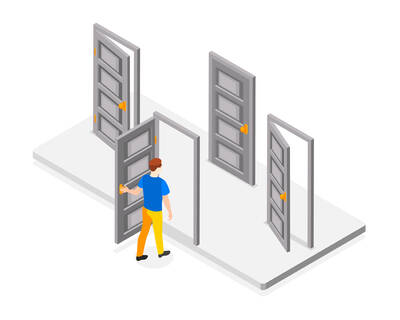
You’re sitting in class when a classmate asks to borrow a pencil. It seems like a small favor, so you agree without hesitation. The following week, the same classmate asks to share your notes. Later, they request help with a group project. You agree each time — after all, you helped out the first time — but before you know it, it has become automatic. This scenario demonstrates the “foot-in-the-door technique,” a psychological concept that shows how agreeing to small, acceptable demands makes it easier to accept larger ones later on. The name for this strategy comes from door-to-door
Continued from yesterday(延續自昨日) https://www.taipeitimes.com/News/lang Gig Tripping “Gig tripping” combines concerts with travel. People fly to see their favorite artists perform — usually abroad—and spend a few days sightseeing before or after the show. While die-hard fans have done this since the 1960s, the post-pandemic travel boom changed the game. Even people who aren’t superfans are now booking international concert trips because they want to make the most of travel opportunities. This trend exploded in the US, as the math makes sense. Domestic concert tickets are so costly that flying abroad for the show plus tourism expenses often matches or even beats the price


 RSS
RSS