


A: Compared to Taiwanese, what did Americans search for most in 2025?
B: No. 10 to No. 6 are: Tariffs, FIFA Club World Cup, government shutdown, DeepSeek and incoming New York mayor Zohran Mamdani.
A: Mamdani is set to take office on Jan. 1. And what are the top five?
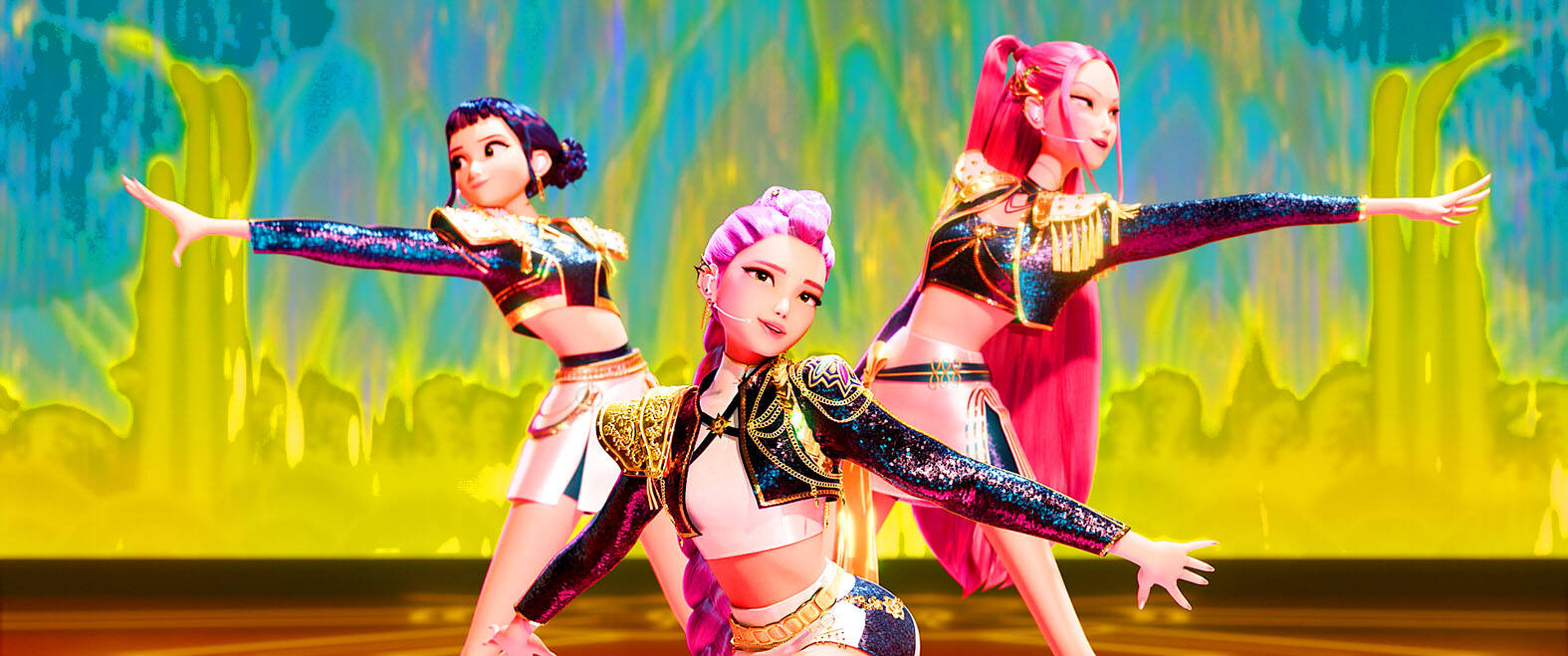
Photo: Liberty Times 照片:自由時報
B: No. 5 to No. 1 are: the One Big Beautiful Bill Act, iPhone 17, Labubu doll, animated blockbuster KPop Demon Hunters and political activist Charlie Kirk’s assasination.
A: The only term to appear on both the Taiwanese and US charts is tariffs.
A: 跟台灣人相比,美國人都在搜尋什麼?
B: 第10到6名是:關稅、FIFA俱樂部世界盃、政府關閉、DeepSeek語言模型、候任紐約市長佐蘭曼達尼。
A: 曼達尼元旦即將就任,前5名是什麼?
B: 第5到1名是:《大而美法案》、iPhone 17、拉布布玩偶、動畫片《KPop獵魔女團》、政治活動家查理柯克遇刺。
A: 看來台、美熱搜榜唯一的共同議題就是--關稅!
(By Eddy Chang, Taipei Times/台北時報張迪)
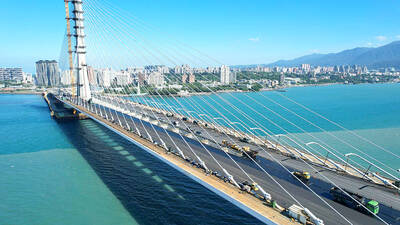
A: The Danjiang Bridge in New Taipei City is to open on May 12, and the MRT Sanying Line (Light Blue Line) will also open in June. Isn’t that great? B: Is that the bridge connecting the city’s Tamsui and Bali Districts? What’s so special about this new landmark spanning the Tamsui River? A: The Danjiang Bridge will become the world’s longest-span single-mast asymmetric cable-stayed bridge — with a total river-crossing section of 920 meters and main span of 450 meters. B: The news says there are sidewalks and bike lanes on both sides. Watching the sunset from the
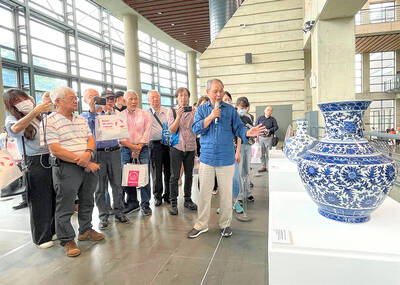
A: Apart from the Danjiang Bridge in New Taipei City, the MRT Sanying Line (Light Blue Line) will open in June. B: Is that the new line leading to Yingge District, the ceramic town? A: Yup, the line will connect the Yingge Ceramics Museum and the Old Streets in Sanxia and Yingge Districts. B: The eastward extension of the Tamsui-Xinyi Line (Red Line) that goes through Taipei’s Xinyi District will also open in June. A: Plus, Taoyuan’s Aerotropolis Line (Green Line) will partially open by the end of the year. In the future, it will connect the

In the dense forests of Tanzania, a young researcher sat quietly among the trees, her gaze fixed on a troop of chimpanzees. It was 1960, and Jane Goodall, armed with nothing but a notebook and endless curiosity, was about to change science forever. Inspired by childhood stories like the Dr. Dolittle series, she had dreamed of Africa — and now, thanks to the encouragement of anthropologist Louis Leakey, she was there, face-to-face with the wild. What Jane discovered shocked the world. Chimpanzees weren’t mere creatures of instinct; they were individuals with emotions, families, and even the capacity for tool
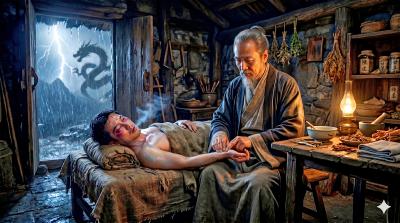
★ Bilingual Story is a fictionalized account. 雙語故事部分內容純屬虛構。 Rain hammered the roof in hard, uneven bursts. “Hold him still!” Baosheng pressed one hand against the stranger’s brow as the man twisted on the wooden bed. His left eye was swollen shut. The right one burned red like a coal. “It feels like fire,” the man gasped. “Like something is clawing inside.” Thunder rolled across the mountain. Baosheng leaned closer. The man’s skin was cold, but heat rose from his face. A strange smell hung in the air. He began the four methods of diagnosis: looking, listening/smelling,


 RSS
RSS