


When we hear the word honeymoon, most of us probably think of newlyweds relaxing on a beach or exploring a romantic city. It’s that sweet, exciting period right after the wedding and before real life kicks in. While it sounds modern, this word has a surprisingly long history.
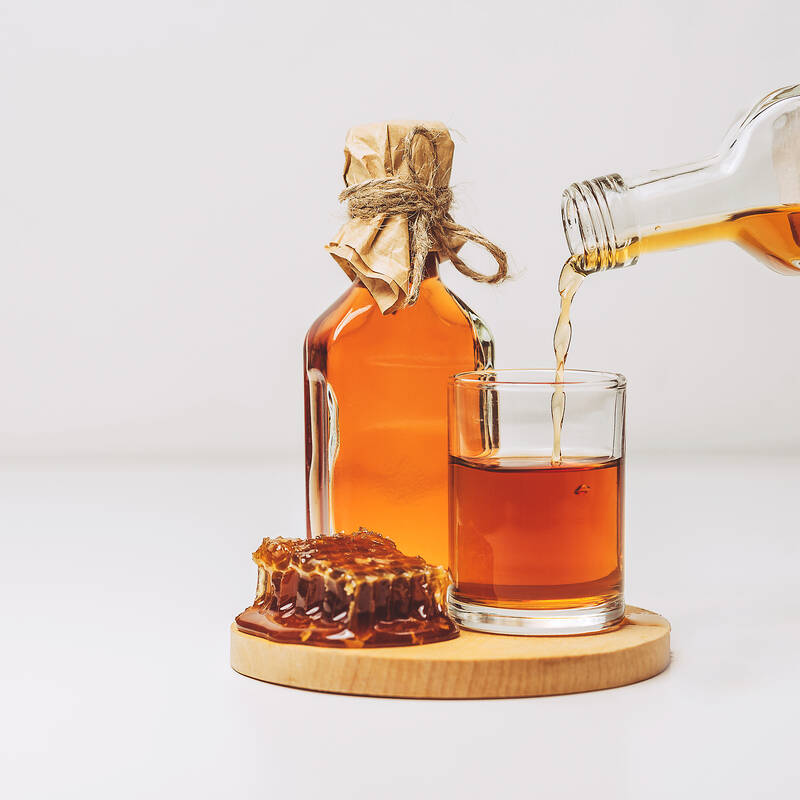
Some __1__ believe the term honeymoon comes from Old English, way back in the Middle Ages. One theory is that it refers to the “Mead Moon” or “Honey Moon,” both of which were once synonymous with June. During this time, honey was __2__ after bees had gathered nectar throughout the spring. The __3__ climate also made June a favored month for weddings. Mead, a drink made from fermented honey, was often __4__ at weddings, and people believed it brought good luck.
Another explanation is somewhat more __5__. Like the changing phases of the moon, the early days of love can pass quickly. From this __6__, the word honeymoon might have been a gentle reminder to enjoy the brief but beautiful beginning of a marriage, when love is at its brightest. It suggests that while love often starts out intense and full of light, it slowly becomes something calmer and more __7__.
PhotoS: AdobeStock I 照片:AdobeStock
A third theory is more __8__. In some medieval traditions, newlyweds were given enough mead to drink every day for a month. This was supposed to help with fertility and bestow a __9__ upon the marriage. That month-long “honey” period, combined with the moon cycle, may have led to the term we still use today.
The __10__ of the word honeymoon are clearly much older than most people think. Whether it stems from mead, moonlight, or the ups and downs of love, the word carries a lot more meaning than just a fancy trip after a wedding.
當我們聽到「蜜月」這個字時,大部分的人可能都會想到在海邊放鬆、或是正在探索一座浪漫城市的新婚夫妻。這正是在婚禮後、真實生活開始前的那段甜蜜又興奮的時期。雖然蜜月這個字聽起來很現代,但卻有著令人意外的悠久歷史。

有些歷史學家認為蜜月一詞是來自古英文,早在中世紀時期就已經出現。一個理論是,這個字指的是「蜂蜜酒月」或是「蜂蜜月」,兩者都曾與六月同義。蜜蜂在整個春天採集花蜜之後,人們會在這段期間開始採收蜂蜜。此時宜人的氣候也讓六月成了舉辦婚禮的熱門月分。蜂蜜酒是由發酵蜂蜜製成的飲品,通常會在婚禮上供應,人們認為它會帶來好運。
另一個解釋更加詩意一些。就像月亮有盈虧階段,熱戀期可能很快就會過去。從這個觀點來看,蜜月一詞也許原本就是一個溫柔的提醒,要人們珍惜婚姻中那段短暫卻美麗、愛意最濃的開始。它指出愛情在一開始時往往是炙熱且閃耀的,但會慢慢轉變為更平靜且持久的感情。
第三個理論則偏向字面上的解釋。在中世紀的一些傳統中,新婚夫妻會收到足以每天喝、連續喝一個月的蜂蜜酒。據信這有助於生育,並為婚姻帶來祝福。這段長達一個月的「蜂蜜」期再加上月亮的週期,可能就促成了我們今日仍在使用的這個詞語。
蜜月一詞的起源顯然比大多數人想像的還要更古老得多。不管它是源於蜂蜜酒、月光,或是愛情的起起伏伏,這個字所承載的意義,遠遠不只是婚禮後的一趟豪華旅行。
What Did You Learn?
(A) origins (B) blessing (C) served
(D) literal (E) enduring (F) agreeable
(G) harvested (H) poetic (I) historians
(J) perspective
* “might / may have + 過去分詞” 為對過去事實的推論或猜測,表「很可能∕也許曾經……」,用 may 所表示的可能性高於 might。
參考答案 :
1. I 2. G 3. F 4. C 5. H 6. J 7. E 8. D 9. B 10. A
Word in Use
1. romance n. 浪漫
romantic a. 愛情的,浪漫的
People associate red roses with love and romance.
人們會將紅玫瑰與愛情和浪漫聯想在一起。
The candles enhanced the romantic mood of the evening.
蠟燭增添了當晚浪漫的氣氛。
2. synonymous a. 同義的
be / become synonymous with... 與……同義
The designer’s name has become synonymous with fashion and style.
這位設計師的名字已經成為時尚與流行的同義詞。
3. favored a. 受到喜愛的
Bali is a favored holiday destination for families.
峇里島是一個備受人們喜愛的家庭度假勝地。
4. somewhat adv. 有點,稍微
Our vacation was somewhat shorter than we planned, but only by one day.
我們的假期比計畫中稍微來得短,不過只少了一天。
5. phase n.(月亮的)盈虧
The moon goes through eight distinct phases every month.
月亮每個月會經歷八個明顯的盈虧階段。
Practical Phrases
1. kick in 開始,發生
After 30 minutes, the painkiller finally kicked in.
止痛藥終於在三十分鐘後開始發揮效用。
2. refer to. . . 指的是∕提到……
The speaker referred to a famous case during his presentation on marketing.
這名講者在他關於行銷方面的簡報中提到了一個知名案例。
3. start out 開始
All of us start out the same, but where we go depends on what we do.
我們都從同一個起跑點開始,但成就高低則取決於各自的作為。
4. be supposed to V 被認為是……
This restaurant is supposed to be the best in town.
這家餐廳被認為是鎮上最棒的。
5. stem from. . . 源自∕起源於……
The country’s problems stem
from its lack of resources.
該國的種種問題源自於資源缺乏。
聽文章朗讀及講解: https://ivy.pse.is/455bfu
本文出自常春藤解析英語雜誌: www.ivy.com.tw
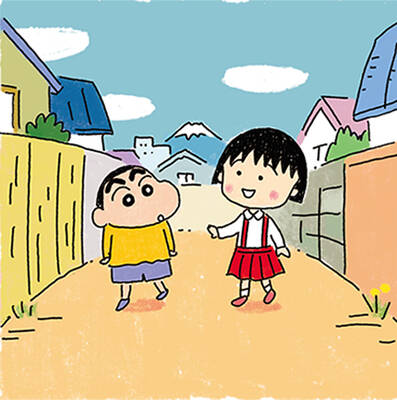
A: Popular humorous Japanese manga series “Chibi Maruko-chan” and “Crayon Shin-chan” will collaborate for their respective 40th and 35th anniversaries, publishing three crossover stories in April. B: Both were made into TV animation series, becoming huge hits in Asia. What are the crossover stories about? A: The first story features Shin-chan and his family visiting Maruko-chan’s hometown, Shizuoka City, where they run into each other. B: Wow, that sounds interesting. And then? A: The follow-ups feature Maruko-chan and her family visiting Shin-chan’s hometown, Kasukabe City. I bet the interactions between the two families will be funny. A: 熱門日本漫畫《櫻桃小丸子》、《蠟筆小新》4月將合作,為紀念小丸子40週年與小新35週年,推出三篇跨界聯動漫畫! B:
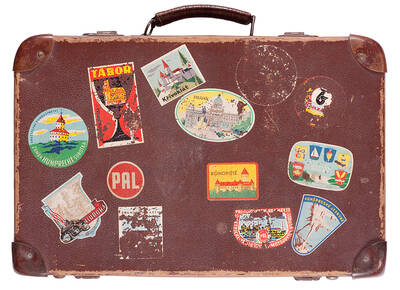
Travel fever is back, and it’s contagious. After years of being kept home during the COVID-19 pandemic, people are once again eager to explore the world. Rather than just book any trip, travelers are getting smarter about how they scratch that travel itch. Microcation Defined as four days or fewer and over 160km away from home, the microcation perfectly matches the post-pandemic mindset. After long periods of remaining indoors, people are making up for lost time by taking short, frequent getaways throughout the year. These brief trips avoid the work-life imbalance that comes with long absences. With only a few days away, one’s
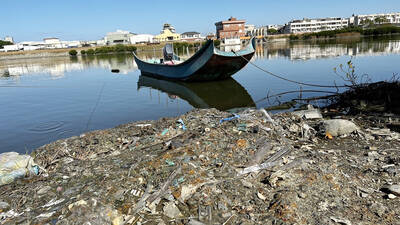
Many consumers are guilty of filling drawers or closets with old laptops, cellphones, fitness trackers and other electronic devices once they are no longer needed. It’s hard to know where to recycle such items, or it seems costly and inconvenient to do so. The world generates millions of tons of electronic waste — also called e-waste — each year. According to the UN’s most recent estimate, people worldwide produced 62 million metric tons of e-waste in 2022, and only about 22 percent of it was properly recycled. The US’ Environmental Protection Agency estimates that less than a quarter of e-waste is

Dos & Don’ts — 想想看,這句話英語該怎麼說? 1. 我們很早到達電影院。 ˇ We arrived at the theater very early. χ We arrived the theater very early. 註︰arrive 為不及物動詞,後面如果有受詞要用 at 或 in。例如:They arrived in Taipei yesterday.。一般大地方,如國家、省、大城市等前面用 in,凡小地方城鎮、學校等則用 at。 2. 開車半小時以後,我們到達了海灘。 ˇ After half an hour’s drive, we got to the beach. χ After half an hour’s drive, we got the beach. 註︰come, go, get(來、去、到達)某地時,在表示地點的名詞前面應該用 to,如 go to school, go to Taipei, come to Shanghai 等。如果這些動詞後面所跟的是 here, there, home 等副詞,則不用 to。 3. 明天我會回辦公室。 ˇ I will be back in the office tomorrow. χ I will be back to office tomorrow. 註︰to be back 一語裡的 back 是副詞,不是介詞,所以後面要用 at (the market) 或 in (the office)。 假如假期結束,要回學校上課了則可說: ? Kids will be back


 RSS
RSS