


In Taiwan, the Mid-Autumn Festival means smoky barbecues and families laughing under the full moon. In Korea, the season is also celebrated, though with different customs and a distinctive atmosphere. Called “Chuseok,” it usually lasts three days and centers on harvest traditions and ancestor worship.
During Chuseok, Koreans follow traditions passed down for generations. In spite of their busy routines, many families return to their hometowns to conduct memorial rites. An elaborate table is prepared with an array of traditional foods to thank their ancestors for the harvest. Another custom involves visiting ancestral burial sites, where families clean the graves and present offerings. This practice strengthens family bonds and honors people’s ancestors.
Food also plays a role in the celebration, especially with traditional treats like songpyeon. This is a half-moon-shaped rice cake filled with ingredients such as sesame seeds, chestnuts, or red beans. More than just a tasty treat, songpyeon holds meaning in its shape. Koreans believe the half-moon shape represents growth and success as it moves toward fullness. As a result, eating songpyeon is believed to bring abundance and prosperity.
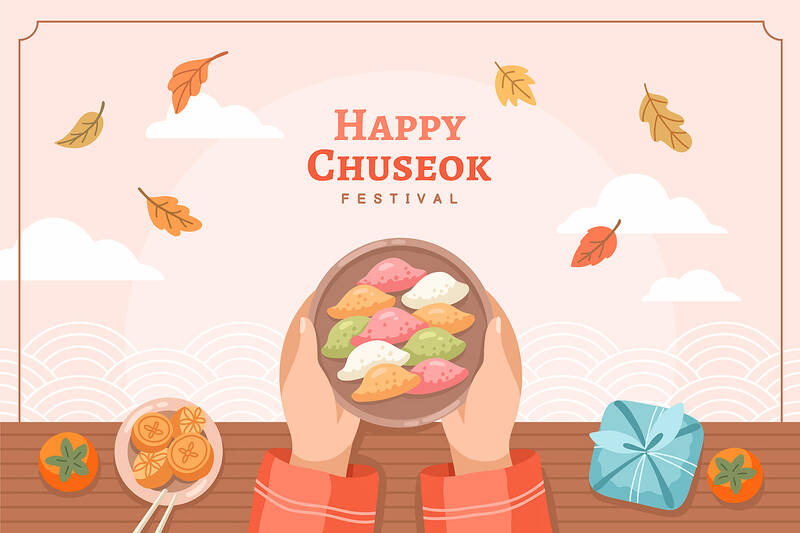
Photo: Freepik / 照片:Freepik
Beyond rituals and food, Chuseok features traditional games and performances. One well-known example is “ganggangsullae,” a circle dance performed by women in hanbok dresses under the full moon. Through these activities, participants express appreciation for the year’s harvest and hope for future happiness. With each shared meal and dance beneath the moon, Chuseok weaves together memory, gratitude, and the living heart of Korean tradition.
在臺灣,中秋節意味著煙霧繚繞的烤肉和家人在滿月下歡聲笑語。在韓國,這個時節同樣受到慶祝,儘管有著不同的習俗和獨特的氛圍。這個節慶被稱為秋夕,通常持續三天,以慶祝豐收和祭祖為中心。
秋夕期間,韓國人遵循世代相傳的傳統。儘管日常生活繁忙,許多家庭仍會返鄉舉行祭祀儀式。他們會準備豐盛的餐桌,擺放各種傳統食物來感謝祖先所賜予的豐收。另一個習俗是前往祖墳,在那裡家人們會清理墓地並獻上供品。這種習俗加深家人間的情感,也表達對祖先的敬意。
食物在慶祝活動中也扮演著重要的角色,尤其是像松片這樣的傳統點心。松片是一種半月形的年糕,裡面填滿了芝麻、栗子或紅豆等食材。松片不僅僅是一種美味的點心,它的形狀更蘊含象徵意義。韓國人認為半月形代表著成長和成功,因為它正朝向圓滿前進。因此,人們相信吃松片會帶來富足和繁榮。
除了儀式和美食,秋夕還有傳統的遊戲和表演。其中一個著名的例子是羌羌水月來,這是一種由身著韓服的婦女在滿月下圍成一圈進行的舞蹈。透過這些活動,參與者表達了對一年豐收的感激並祈求未來的幸福。隨著每一次在月光下的共餐和舞蹈,秋夕將記憶、感恩和韓國傳統的鮮活內核交織在一起。
MORE INFORMATION
smoky adj. 煙霧彌漫的
rite n. 儀式
sesame n. 芝麻
chestnut n. 栗子
abundance n. 豐盛;充足
ganggangsullae n. (韓文)羌羌水月來(為韓國一民俗歌舞,通常由婦女在滿月下表演,西元2009年被列為聯合國教科文組織的世界非物質文化遺產)
KEY VOCABULARY
1. atmosphere n. 氣氛;空氣;大氣層
I like to read books and sip tea in the relaxed atmosphere of this cafe.
我喜歡在這家咖啡廳輕鬆的氛圍中看書和喝茶。
2. ancestor n. 祖先
ancestral adj. 祖先的;祖傳的
Lillian has traced her ancestors back to 17th-century Scotland.
莉莉安的祖先可以追溯到西元 17 世紀的蘇格蘭。
3. memorial adj. 紀念性的;追悼的
The town built a memorial park to honor the soldiers who lost their lives in the war.
該鎮建造了一座紀念公園,以紀念在戰爭中犧牲的士兵。
4. burial n. 埋葬;葬禮
Traditional burial customs vary from culture to culture around the world.
世界各地的傳統埋葬習俗因文化而異。
5. grave n. 墳墓;墓穴
The children placed flowers on their grandmother’s grave during the visit to the cemetery.
孩子們在造訪墓園時,把花放在祖母的墳墓上。
6. strengthen v. 增強;鞏固
Zach runs five kilometers every morning to strengthen his body.
查克每天早上跑五公里以增強他的體格。
7. celebration n. 慶祝(活動)
This dinner party is in celebration of Louise’s promotion at work.
這場晚宴是要慶祝露易絲的升職。
8. prosperity n. 繁榮;興旺
Thanks to its valuable exports, the country is experiencing economic prosperity.
這個國家因為它值錢的出口品而享受經濟繁榮。
9. gratitude n. 感謝;感激之情
Jill expressed gratitude to Haley for driving her to the doctor when she was in pain.
吉兒對海莉在她疼痛時載她去看醫生表達感激。
學習音檔: https://magazine.english4u.net/Magdata/menu/av87q
《空中美語》雜誌APP免費下載: https://www.english4u.net/apps/index.aspx
免費收聽當月《空中美語》雜誌課文朗讀及解析 !
文章由AMC空中美語授權使用: https://www.english4u.net
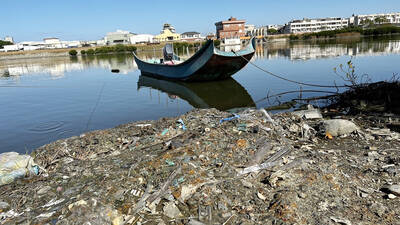
Many consumers are guilty of filling drawers or closets with old laptops, cellphones, fitness trackers and other electronic devices once they are no longer needed. It’s hard to know where to recycle such items, or it seems costly and inconvenient to do so. The world generates millions of tons of electronic waste — also called e-waste — each year. According to the UN’s most recent estimate, people worldwide produced 62 million metric tons of e-waste in 2022, and only about 22 percent of it was properly recycled. The US’ Environmental Protection Agency estimates that less than a quarter of e-waste is
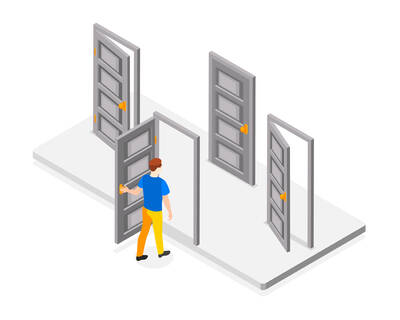
You’re sitting in class when a classmate asks to borrow a pencil. It seems like a small favor, so you agree without hesitation. The following week, the same classmate asks to share your notes. Later, they request help with a group project. You agree each time — after all, you helped out the first time — but before you know it, it has become automatic. This scenario demonstrates the “foot-in-the-door technique,” a psychological concept that shows how agreeing to small, acceptable demands makes it easier to accept larger ones later on. The name for this strategy comes from door-to-door

A: The four-day Tomb Sweeping Day long weekend begins Friday and will run until Monday. Are you going to sweep your ancestors’ tombs? B: I did in advance last weekend, so I can go to Kaohsiung to see the musical “The Phantom of the Opera.” A: Wow, is “Phantom” touring Taiwan again? It debuted in 1986, so this year marks the 40th anniversary of the show. B: And it’s not just touring Kaohsiung starting March 31, but also Taipei starting April 21 and Taichung starting May 26. A: “Phantom” is one of the world’s Four Major Musicals. I’ve seen all of them, except “Les

Dos & Don’ts — 想想看,這句話英語該怎麼說? 1. 我們很早到達電影院。 ˇ We arrived at the theater very early. χ We arrived the theater very early. 註︰arrive 為不及物動詞,後面如果有受詞要用 at 或 in。例如:They arrived in Taipei yesterday.。一般大地方,如國家、省、大城市等前面用 in,凡小地方城鎮、學校等則用 at。 2. 開車半小時以後,我們到達了海灘。 ˇ After half an hour’s drive, we got to the beach. χ After half an hour’s drive, we got the beach. 註︰come, go, get(來、去、到達)某地時,在表示地點的名詞前面應該用 to,如 go to school, go to Taipei, come to Shanghai 等。如果這些動詞後面所跟的是 here, there, home 等副詞,則不用 to。 3. 明天我會回辦公室。 ˇ I will be back in the office tomorrow. χ I will be back to office tomorrow. 註︰to be back 一語裡的 back 是副詞,不是介詞,所以後面要用 at (the market) 或 in (the office)。 假如假期結束,要回學校上課了則可說: ? Kids will be back


 RSS
RSS