


對話 Dialogue
清清:欸,我前幾天查雲端發票,居然中獎了!
Qīngqing: Èi, wǒ qián jǐ tiān chá yúnduān fāpiào, jūrán zhòngjiǎng le!
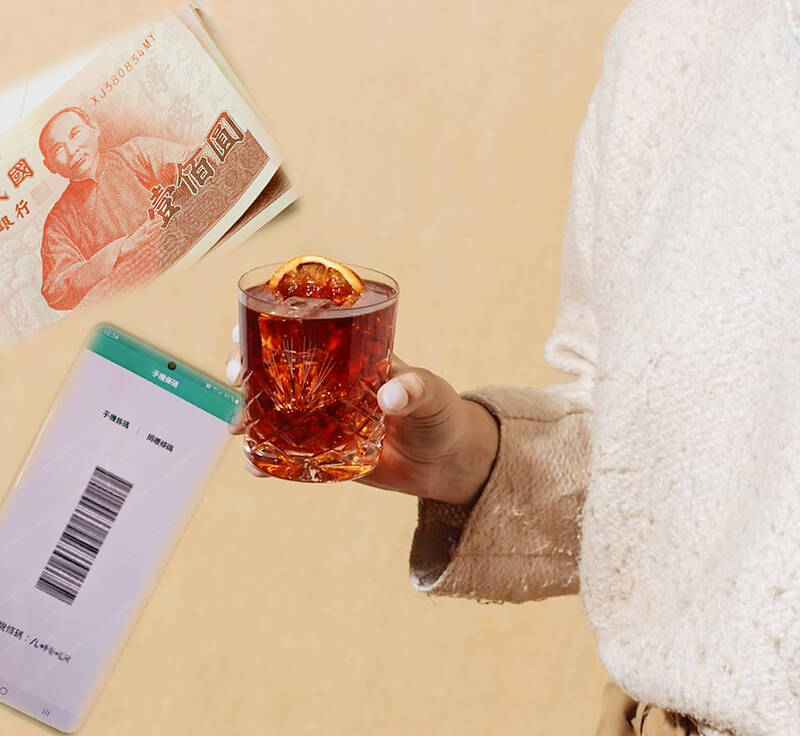
Photo: Unsplash, Wikimedia Commons / 照片:Unsplash, Wikimedia Commons提供
華華:真的嗎?恭喜,你中了多少錢?
Huáhua: Zhēnde ma? Gōngxǐ! Nǐ zhòng le duōshǎo qián?
清清:只有兩百塊,不多,但我還是很開心。
Qīngqing: Zhǐ yǒu liǎng bǎi kuài, bù duō, dàn wǒ háishì hěn kāixīn.
華華:中小獎也很好啊,不過,發票存在雲端的話,要怎麼領啊?
Huáhua: Zhòng xiǎo jiǎng yě hěn hǎo a! Bú guò, fāpiào cún zài yúnduān de huà, yào zěnme lǐng a?
清清:我查了一下,可以去超商櫃台領,也可以在載具裡設定好匯款資料,把獎金匯入指定的銀行。
Qīngqing: Wǒ chá le yíxià, kěyǐ qù chāoshāng guìtái lǐng, yě kěyǐ zài zàijù lǐ shèdìng hǎo huìkuǎn zīliào, bǎ jiǎngjīn huì rù zhǐdìng de yínháng.
華華:原來如此,那你打算怎麼領?
Huáhua: Yuánlái rúcǐ, nà nǐ dǎsuàn zěnme lǐng?
清清:等下中午休息時間,我想去超商買午餐順便領獎金。你想喝什麼我請客,感謝你平常對我的照顧。
Qīngqing: Děng xià zhōngwǔ xiūxí shíjiān, wǒ xiǎng qù chāoshāng mǎi wǔcān shùnbiàn lǐng jiǎngjīn. Nǐ xiǎng hē shénme wǒ qǐngkè! Gǎnxiè nǐ píngcháng duì wǒ de zhàogù.
華華:怎麼這麼好,那我就不客氣啦。紅茶就好,謝謝!
Huáhua: Zěnme zhème hǎo, nà wǒ jiù bù kèqì la! Hóngchá jiù hǎo, xièxie!
翻譯 Translation
Qingqing: Hey, I checked my cloud-based invoice records a few days ago and I actually won a prize.
Huahua: Really? Congrats. How much did you win?
Qingqing: Just NT$200 — not much, but I’m still very happy.
Huahua: Winning a small or medium prize is great, too. But if the receipt is stored in the cloud, how do you claim it?
Qingqing: I looked it up — you can claim it at a convenience store counter, or you can set up the app to have the money transferred into a designated bank account.
Huahua: I see. So how are you planning to claim it?
Qingqing: During lunch break, I’m going to the convenience store to buy lunch and claim the prize at the same time. What would you like to drink? It’s on me — thanks for always looking out for me.
Huahua: You’re so sweet. In that case, I won’t refuse — just a black tea, thank you.
生詞 Vocabulary
1. 雲端發票 (yúnduān fāpiào) cloud-based invoice (e-invoice)
2. 雲端 (yúnduān) cloud (computing / storage)
3. 中獎 (zhòngjiǎng) win a prize
4. 領(獎) (lǐng jiǎng) claim (a prize)
5. 存 (cún) save; store
6. 載具 (zàijù) carrier (for digital receipts)
7. 設定 (shèdìng) set; configure; setting
8. 慶祝 (qìngzhù) celebrate
教材音檔 Audio Files
國立清華大學華語中心提供
By National Tsing Hua University Chinese Language Center:

A: Several Japanese and South Korean acts, such as BigBang, are participating in this year’s Coachella Music Festival. Have any Mando-pop singers ever performed at Coachella? B: Yup, K-pop group GOT7’s Hong Kong member Jackson Wang, and Taiwanese band Sunset Rollercoaster, which primarily performs in English, attended the festival before. A: It’s a pity that we didn’t fly to Coachella. But in fact, Taipei has also gradually become an Asian music hub in recent years. B: That’s true. K-pop sensation Twice just held three concerts at the Taipei Dome, followed by Hong Kong singer G.E.M., who is going

Many of us face common health challenges: tired eyes from long screen use, the search for anti-aging support and the need for weight control without resorting to restrictive diets. While no single food is a miracle cure, berries offer targeted, evidence-based nutritional support that’s easy and delicious to add to your daily routine. For overall immunity and healthy skin, vitamin C is essential. Strawberries provide roughly 10 percent more vitamin C than oranges, while blackcurrants deliver three to four times as much. These tasty fruits also contain abundant polyphenols, which help the body manage oxidative stress, support overall

Concertgoers know the rush all too well — the moment the first notes play, your heart races, and nothing else seems to matter. For many, the excitement doesn’t end when the lights come back on. Some fans try to relive the performance by listening to the same songs for days afterward. __1__ A few days after an amazing show, they begin to feel unexpectedly low. Psychologists have coined a term for this phenomenon: “post-concert depression,” or “PCD.” PCD is primarily related to hormone levels. When you’re at a concert, the excitement causes your brain to release feel-good chemicals like

A new study suggests that chimpanzees can weigh evidence and make rational judgments. In the experiment, researchers placed two boxes in front of the chimpanzees. One box was set up to give strong evidence, such as letting the chimpanzees actually see food inside. The other was designed to provide weak evidence, like producing a rattling sound when it was shaken. The chimps consistently chose the box with strong evidence, even when the weaker clue appeared first. This indicated that they were not fooled by the order of presentation. In another trial where no strong evidence was available, the chimps


 RSS
RSS