


本文由生成式AI協作,本刊編輯編修。
Some English expressions include names of countries or places, but don’t take them literally! These idioms often reflect history, culture, and even old conflicts between countries. People online have talked about moments when they came across such expressions.
(A) Kevin

Photo: AdobeStock I 照片:AdobeStock
It was my first date in the US. When the waiter brought us the bill, I hesitated, unsure of what to do. She smiled and said, “Let’s go Dutch.” Fortunately, I was already acquainted with the phrase—it meant we’d each pay for our own food. This idiom goes back to the 17th century, when England and the Netherlands were rivals. The English used “Dutch” to poke fun at what they saw as the Dutch people’s stinginess or extreme practicality.
(B) Ruby
Before giving a speech at my friend’s wedding, I was overwhelmed with anxiety. Then someone handed me a glass of wine. After a few sips, I felt confident enough to address the crowd. “That’s classic Dutch courage,” my friend joked. I later found out that the phrase refers to the confidence people gain from drinking alcohol, especially in moments when they need to boost their courage.

Photo: AdobeStock I 照片:AdobeStock
(C) Marcus
Once, I accidentally used an offensive word in front of my professor. Embarrassed, I quickly added, “Pardon my French.” He smiled and replied, “As long as it’s not real French!” I had often heard the phrase used as a funny apology after swearing. It originated in 19th-century England. Educated speakers sometimes mixed French into their English conversations. When listeners didn’t understand, the speakers would politely say, “Pardon my French.” Over time, the phrase evolved into a humorous excuse for using bad language.
有些英文語詞包含了國名或地名,但別照字面解讀!這些慣用語通常反映了歷史、文化,甚至國與國之間過去的衝突。有些人在網路上分享了他們碰到這些語詞時的經驗。
(A) 凱文
那是我第一次在美國約會的時候。當服務生送來帳單時,我遲疑了一下,不確定該怎麼辦。她笑著說:「我們各付各的吧(go Dutch)!」幸好我已經知道這個片語—意思是我們各自付自己的餐點。這個慣用語可以追溯到十七世紀,當時英國和荷蘭是競爭對手。英國人用 “Dutch(荷蘭的)” 來嘲笑他們眼中的荷蘭人很小氣或太過實際。
(B) 露比
我在朋友的婚禮上致詞前焦慮到不行。這時有人遞給我一杯酒。我喝了幾口後,覺得有自信向群眾致詞了。我朋友開玩笑說:「這就是典型的酒後之勇(Dutch courage)呀。」我後來才知道這個片語是用來形容人們藉酒壯膽,尤其是在他們需要提振勇氣的時候。
(C) 馬克思
有一次,我不小心在教授面前說了冒犯的話。尷尬之下,我立刻補了一句:「請原諒我說髒話(Pardon my French)。」他笑著說:「只要不是真的法語就好!」我常聽人用這個片語作為說髒話後的一種搞笑的道歉。這句話源自十九世紀的英國。當時有學識的人有時會在英語對話中穿插一些法語。對方聽不懂的時候,說話的人就會禮貌地說:「請原諒我說法語。」久而久之,這個片語就變成了說髒話後用來開脫的幽默藉口。
Word in Use
1. literally adv. 照字面地,逐字地
“Break a leg” literally means to break your leg, but it’s an idiom used to wish someone good luck.
「Break a leg」字面的意思是摔斷腿,但其實是一個祝人好運的慣用語。
2. rival n. 競爭對手
The two tech companies are fierce rivals in the smartphone market.
這兩家科技公司在智慧型手機市場上是競爭激烈的對手。
3. stinginess n. 吝嗇,小氣
stingy a. 吝嗇的,小氣的
Stinginess may save money in the short term, but it can hurt relationships in the long run.
吝嗇在短期內也許能省錢,但長遠來看可能會傷害人際關係。
David is so stingy that he has never tipped anyone.
大衛小氣到從來沒給過任何人小費。
4. anxiety n. 焦慮
Anxiety can sometimes cause physical symptoms like headaches or stomachaches.
焦慮有時會引發頭痛或胃痛等身體症狀。
5. sip n. 啜飲,一小口
The first sip of cold lemonade was refreshing.
第一口冰涼的檸檬水令人神清氣爽。
Practical Phrases
1. come across. . . (碰巧)遇見……
I came across a rare coin while cleaning the drawer.
我在清理抽屜時碰巧發現了一枚稀有的硬幣。
2. be acquainted with sth / sb
熟悉某事∕認識某人
acquainted a. 熟悉的
Are you acquainted with the latest software updates?
你熟悉最新的軟體更新嗎?
3. poke fun at sb 嘲笑∕取笑某人;開某人玩笑
The comedian often pokes fun at celebrities during his stand-up shows.
這位喜劇演員在他的單口喜劇表演中經常開名人玩笑。
4. be overwhelmed with. . . 招架不住……(情緒等)
overwhelm vt. 使難以承受∕不知所措
I was overwhelmed with guilt for not helping when I could have.
我因為在自己能幫忙時沒有伸出援手而感到愧疚不已。
5. originate in. . . 起源於……
The concept of democracy originated in ancient Greece. 民主的概念起源於古希臘。
To be continued tomorrow
(明日待續)
https://www.taipeitimes.com/News/lang
聽文章朗讀及講解: https://ivy.pse.is/455bfu
本文出自常春藤解析英語雜誌: www.ivy.com.tw
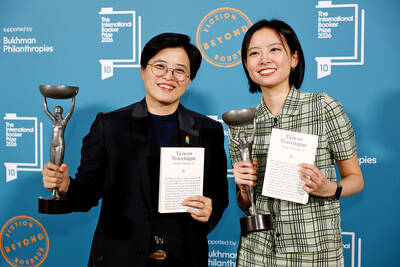
Taiwan Travelogue, the novel by Taiwanese author Yang Shuang-zi and translated into English by Lin King, won the prestigious International Booker Prize in London on May 19. It marks the first time a Taiwanese literary work has received the International Booker Prize, setting a historic milestone both for Taiwanese literature and for the award itself. Prior to this achievement, Taiwan had only once appeared on the Booker radar, when Taiwanese author Wu Ming-yi was longlisted for the Booker Prize in 2018 with The Stolen Bicycle. The International Booker Prize honors works of fiction translated into English and published in the UK or Ireland.

A: Time magazine recently released its list of “The 100 Most Influential People of 2026.” It’s categorized into six groups: Artists, Pioneers, Titans, Icons, Leaders and Innovators. B: TSMC chairman C.C. Wei made the list this year. Which category is he in? A: Wei is actually among the Pioneers, with figures including Disney CEO Josh D’Amaro and MrBeast — the first YouTuber ever to surpass 400 million subscribers. B: Led by Wei, Taiwan’s “silicon shield” TSMC is the sixth-largest company in the world. A: As Nvidia founder Jensen Huang wrote in his introduction, “C.C. Wei is truly one of the
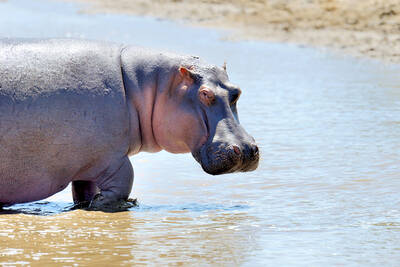
The animal kingdom is full of surprises that challenge our understanding of biology. From remarkable feeding mechanisms to extreme defense strategies, some creatures possess traits so unusual that they seem like pure fiction. Here are four fascinating examples that show nature’s endless creativity. The humble snail may appear simple, but its mouth tells a different story. Snails possess a ribbon-like tongue called a radula, densely covered with anywhere from 1,000 to 12,000 tiny teeth. This structure works like a cheese grater, allowing them to scrape and grind food with surprising efficiency. Far from being passive creatures, snails are actually
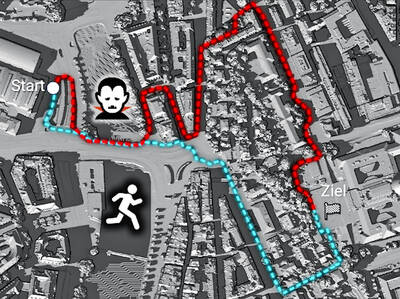
As climate change and urbanization push city temperatures higher, walking outdoors is becoming increasingly uncomfortable in many parts of the world, especially when prolonged time spent in sunlight is involved. As a result, outdoor lovers are now seeking cooler, shaded walking routes. However, most mainstream map apps still do not __1__ shaded footpaths. Enter routing.osm.ch — a Swiss web-based route planner that introduces a novel solution to this problem. Its “Vampire mode,” named after the legendary creatures’ fear of being __2__ natural light, was developed by a Swiss research team led by Professor Stefan Keller. The platform combines open data from


 RSS
RSS