


What comes to mind when you think of a “mermaid”? For some, it may simply be a mythical creature, but being a professional mermaid is a real and fascinating career. This unique job not only involves creativity but also demands dedication and skill.
Professional mermaids amaze audiences with breathtaking underwater performances. Whether they are gracefully swimming alongside marine creatures or educating spectators about manatee ecology, their movements evoke a sense of magic and wonder. But their work doesn’t stop there. Many mermaids engage directly with visitors, taking memorable photos or guiding them through unique experiences, such as “mermaid for a day” programs. People can engage in these interactive activities to step into a world of fantasy while appreciating the skill and effort behind them.
Yet, being a mermaid isn’t all about glamour. The job requires tough training, including certifications in diving and advanced swimming techniques like navigating underwater without a mask. Performing in cold water for extended periods demands incredible physical endurance, while the constant exposure to water poses health challenges—particularly to the eyes and nasal passages. Carrying the weight of a heavy mermaid tail adds another layer of difficulty, making this role as demanding as it is beautiful.

Photo: Freepik / 照片:Freepik
For those seeking to push their limits, mermaid competitions offer a platform to show skill, artistry and dedication. These contests, with their strict standards and challenging requirements, highlight the professionalism of those in the field while fostering a strong sense of friendship and teamwork among participants.
Ultimately, the life of a professional mermaid requires hard work, passion and a touch of magic. It is a career that transforms fantasy into reality, offering both challenges and rewards to those brave enough to dive into its depths.
當你想到「美人魚」時,腦海中會浮現什麼畫面呢?對某些人來說,美人魚或許只是個神話生物,但其實職業美人魚是一份真實且迷人的職業。這份獨特的工作不僅需要創意,還需要奉獻精神和技能。
職業美人魚以令人驚嘆的水下表演吸引觀眾。無論是優雅地與海洋生物一起悠游,還是向觀眾介紹海牛生態,他們的動作都能激起一種魔幻和奇妙的感覺。然而他們的工作不僅止於此。許多美人魚還會直接與遊客互動,拍攝難忘的照片或帶領他們參與獨特的體驗,例如「一日美人魚」活動。人們可以參與這些互動活動,進入夢幻的世界,同時欣賞其背後的技巧和努力。
然而,成為一名美人魚並非只有光鮮亮麗的一面。這份工作需要嚴格的訓練,包括潛水證照及進階游泳技能,像是在水下不戴面罩游泳等。長時間在冰冷的水中表演需要驚人的體能耐力,而長期浸泡在水中則會對健康構成挑戰,特別是對眼睛和鼻腔的影響。背負著沉重的美人魚尾巴更增加了一層難度,使這份工作既美麗又充滿挑戰。
對於那些想要挑戰極限的人來說,美人魚競賽提供了一個展現技巧、藝術性和奉獻精神的平台。這些比賽設有嚴格的標準與高難度的要求,不僅突顯了選手們的專業素養,也培養了參賽者之間深厚的友誼與團隊精神。
最終,成為一名職業美人魚需要努力、熱情和一點魔法。這是一份將幻想化為現實的職業,為那些勇於投身其中的人帶來挑戰與回報。
MORE INFORMATION
mermaid n. 美人魚
dedication n. 奉獻
breathtaking adj. 令人屏息的;驚人的
manatee n. 海牛
evoke vt. 喚起;引起
glamour n. 魅力
certification n. 證明;檢定
navigate vi. 航行
endurance n. 耐力
nasal adj. 鼻的
artistry n. 藝術才能;藝術技巧
KEY VOCABULARY
1. creativity n. 創意;創造力
Art classes help children develop their creativity and express their thoughts freely.
美術課有助於孩子發展創造力並自由表達想法。
2. marine adj. 海洋的
The island is famous for its beautiful marine environment, attracting divers from around the world.
這座島以美麗的海洋環境聞名,吸引了來自世界各地的潛水運動員。
3. interactive adj. 互動的;相互交流的
The language app provides an interactive way for users to practice speaking with native speakers.
這款語言應用程式提供讓使用者與母語者練習口說的互動。
4. incredible adj. 極好的;驚人的
The view from the top of the mountain was incredible and worth the long hike.
山頂的景色極為壯觀,完全值得這段長途健行。
5. physical adj. 身體的;體力的
Regular exercise is essential for maintaining good physical health.
規律運動對於維持良好的身體健康至關重要。
6. exposure n. 接觸;暴露
Studying abroad gives students more exposure to different cultures and languages.
出國留學讓學生有更多機會接觸不同的文化與語言。
7. layer n. 層次;層
The issue is complex because it involves different layers of cultural and historical background.
這個問題很複雜,因為它涉及不同層次的文化和歷史背景。
8. demanding adj. 費時費力的;要求很高的
The medical profession is extremely demanding, requiring years of study and long working hours.
醫療職業極為耗費精力,需要多年學習和長時間工作。
9. participant n. 參與者
The workshop attracted many participants who were eager to learn new skills.
這場研討會吸引了許多熱衷於學習新技能的參與者。
學習音檔: https://magazine.english4u.net/Magdata/menu/sekkk
《空中美語》雜誌APP免費下載: https://www.english4u.net/apps/index.aspx
免費收聽當月《空中美語》雜誌課文朗讀及解析 !
文章由AMC空中美語授權使用: https://www.english4u.net

A: Which TV drama series have been global hits so far this year? B: The US drama “Stranger Things 5,” South Korean drama “Can This Love Be Translated?” and Chinese megahit “Pursuit of Jade” are all popular lately. A: Isn’t “Pursuit of Jade” the costume idol drama about the romance between a charming marquis and a pig-slaughterer? Actor Zhang Linghe and actress Tian Xiwei are both so attractive. B: Plus, Netflix’s Korean-Japanese gay romance drama “Soul Mate” — starring Korea’s Ok Taec-yeon and Japan’s Hayato Isomura — is set to premiere in May. A: These hit international dramas
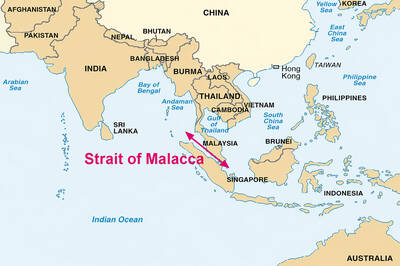
The closure of the Strait of Hormuz has forced policymakers in Asia to face questions over the security of other maritime chokepoints, including the Strait of Malacca, which is the world’s busiest waterway for international trade. WHAT IS THE MALACCA STRAIT? The 900km long Malacca Strait, bounded by Indonesia, Thailand, Malaysia and Singapore, provides the shortest sea route from East Asia to the Middle East and Europe. It carries nearly 22 percent of the world’s maritime trade, according to the Center for Strategic and International Studies (CSIS). This includes oil and gas shipments from the Middle East to the energy-hungry economies of China,
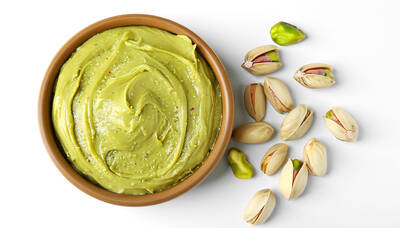
It seems like every year, new foods or drinks start trending and suddenly show up everywhere. A decade ago, avocado __1__ restaurant menus, while oat milk became the must-have addition to your coffee in cafes around five years back. The latest trend to hit this list is the pistachio. This flavorful green nut now features in everything from chocolate bars to Indian curries. While pistachios have long played a central role in certain regional cuisines, their recent global __2__ can be traced to Dubai. There, a specialty chocolate shop went __3__ on TikTok for one of its chocolate bars

One reason pistachios have taken the food world by storm compared to other nuts is their soft, green color. When ground down into a cream or butter, the green hue __6__ nicely with golden pastries or dark-brown chocolate, making it perfect for Instagram photos and TikTok videos. Their labor-intensive cultivation and __7__ also contribute to their image as a premium ingredient. Thus, buying a pistachio-based product often feels like a __8__ treat. Pistachios also stand out for their distinct flavor and health __9__. They have a subtle, sweet, earthy flavor that goes well with both sweet desserts and


 RSS
RSS