


對話 Dialogue
清清:最近天氣越來越熱,而且好早就天亮了!
Qingqing: Zuijin ti?nqi yuelaiyue re, erqi? h?o z?o jiu ti?nliang le!
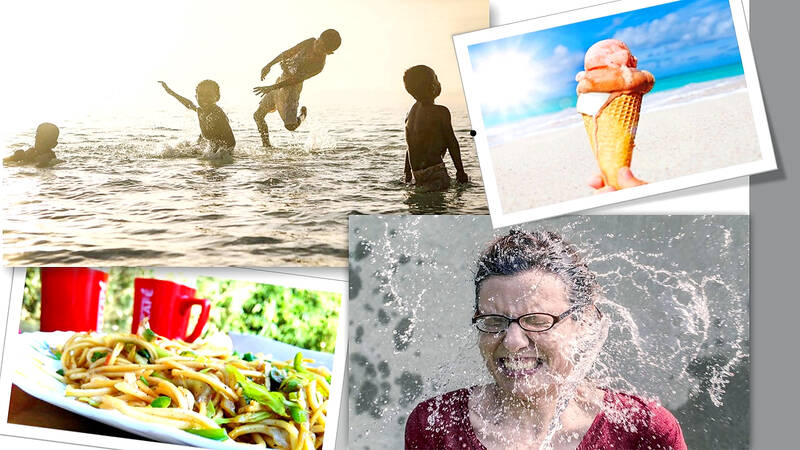
Photo: Pxhere / 照片:Pxhere 提供
華華:因為就快到夏至了啊,那天是一年之中白天最長的一天。
Huahua: Y?nwei jiu kuai dao Xiazhi le a. Na ti?n shi yi nian zh?zh?ng baiti?n zui chang de yiti?n.
清清:嗯!也是一年之中最短的一個夜晚,一般要到七點以後才會天黑。
Qingqing: En! Y? shi yi nian zh?zh?ng zui du?n de yi ge yew?n, yib?n yao dao q? di?n y?hou cai hui ti?nh?i.
華華:一到夏至,就代表夏天最熱的兩個月要開始了。
Huahua: Yi dao Xiazhi, jiu daibi?o xiati?n zui re de li?ng ge yue yao k?ish? le.
清清:卻也是吃冰、玩水最好的時候啊!
Qingqing: Que y? shi ch? b?ng, wan shu? zui h?o de shihou a!
華華:是啦!不過出門還是要注意防曬,小心中暑和紫外線傷害。
Huahua: Shi la! Buguo ch?men haishi yao zhuyi fangshai, xi?ox?n zhongsh? han z?waixian sh?nghai.
清清:我出門都會帶傘、防曬乳和太陽眼鏡,應該夠安全了吧!
Qingqing: W? ch?men d?u hui dai s?n, fangshai r? han taiyang y?njing, y?ngg?i gou ?nquan le ba!
華華:我看你是怕曬黑吧?我要去買午餐了,這種天氣就是要吃涼麵,才有夏天的感覺!
Huahua: W? kan n? shi pa shaih?i ba? W? yao qu m?i w?c?n le, Zhe zh?ng ti?nqi jiushi yao ch? liangmian, cai y?u xiati?n de g?njue!
翻譯 Translation
Qingqing: The weather’s getting hotter lately, and it’s getting light so early.
Huahua: That’s because the summer solstice is coming. It’ll be the longest day of the year.
Qingqing: Right. It’s also the shortest night — usually it doesn’t get dark until after seven o’clock.
Huahua: Once the summer solstice arrives, it means the hottest two months of summer are about to begin.
Qingqing: But it’s also the best time for eating ice and playing in the water.
Huahua: True. But when going out, you still need to watch out for sunburn, heatstroke and UV damage.
Qingqing: I always bring an umbrella, sunscreen and sunglasses when I go out. That should be safe enough, right?
Huahua: I think you’re just afraid of getting a tan. I’m off to get lunch — this kind of weather totally calls for cold noodles, they’re perfect for the summer.
生詞 Vocabulary
1. 夏至 (Xiazhi) summer solstice
2. 之中 (zh?zh?ng) among; in the middle of
3. 一般 (yib?n) generally; normally
4. 防曬 (fangshai) sun protection; to block the sun
5. 中暑 (zhongsh?) heatstroke
6. 紫外線 (z?waixian) UV rays
7. 曬黑 (shaih?i) get tanned
8. 涼麵 (liangmian) Taiwanese cold noodles
教材音檔 Audio Files
國立清華大學華語中心提供
By National Tsing Hua University Chinese Language Center:
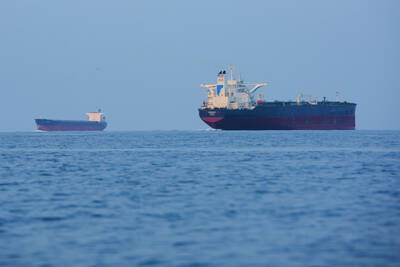
The US-Israeli war with Iran, which began on Feb. 28, has killed thousands of people, destabilized the Middle East and rocked global energy markets by effectively closing the strait. WHAT IS THE STRAIT OF HORMUZ? Lying between Oman and Iran and linking the Gulf north of it with the Gulf of Oman to the south and the Arabian Sea beyond, the strait is 33km wide at its narrowest point, with a shipping lane just 3km wide in either direction. Perhaps the world’s most important energy shipping channel, the waterway is about 167km long. Following through on an old threat, Tehran effectively closed the strait
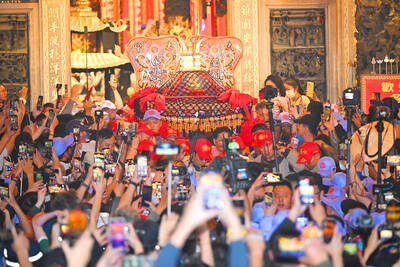
A: Apart from the Thai Water Festival, Taiwan’s three major Matsu pilgrimages are among Asia’s largest annual folk activities. B: This year, “Baisha-ma” of the Baishatun Gongtian Temple in Miaoli County was the first to kick off her pilgrimage, with the deity departing on April 12 and returning on the 20. A: Then “Dajia-ma” of the Dajia Jenn Lann Temple in Taichung will set off next, departing tonight before midnight and returning on April 26. B: And what about “Beigang-ma” of Yunlin County’s Beigang Chao-tian Temple? When will she launch her procession? A: Typically, “Beigang-ma” begins her procession on the eve of her lunar
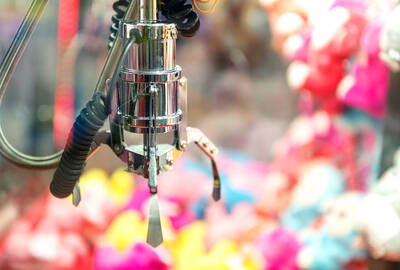
Have you ever found yourself desperately feeding coins into a claw machine just because you’ve already spent so much trying to win that stuffed animal? Or maybe you’ve continued watching a boring movie simply because you already paid for the ticket? If so, you’ve experienced the “sunk cost fallacy.” A sunk cost refers to time, money or effort that has already been spent and cannot be recovered. This psychological trap is surprisingly common. You might keep playing a video game you no longer enjoy because you’ve invested countless hours in building your character, or maintain a toxic friendship because you’ve known
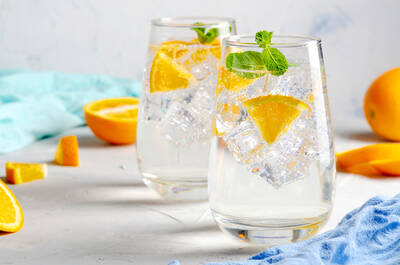
When you twist open a bottle of carbonated water, bubbles rush out with a hissing sound. This drink is simply water infused with carbon dioxide (CO2) under pressure, giving it that fizz on your tongue. But this basic description barely scratches the surface of the carbonated water family. Although all carbonated waters are bubbly, slight differences set them apart. Seltzer is just plain water with artificial CO2—no minerals, no extras. Club soda includes added minerals such as sodium bicarbonate, which creates a slightly salty flavor. This makes club soda suitable for mixing with fruit juices. Sparkling water, on the


 RSS
RSS