


Continued from yesterday(延續自昨日)
https://www.taipeitimes.com/News/lang
本文由生成式AI協作,本刊編輯編修。
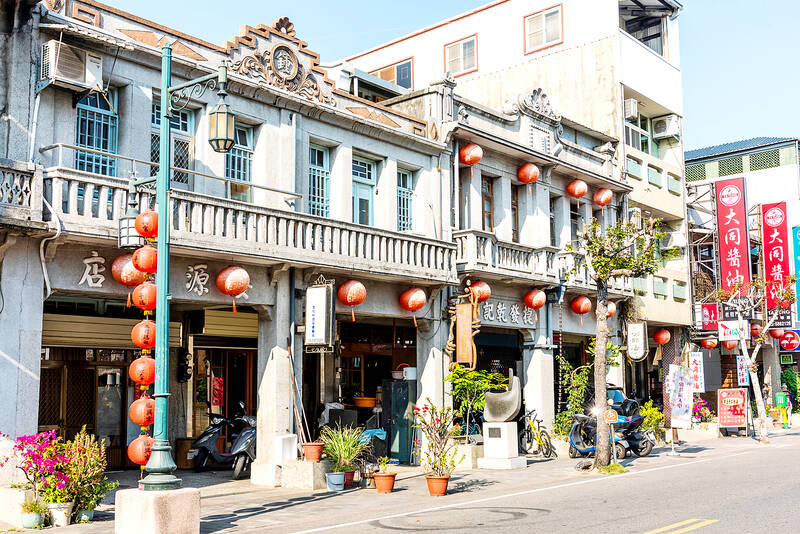
Photo: AdobeStock I 照片:AdobeStock
Strolling along the old streets in Yunlin is like taking a journey back in time because they are dotted with charming historical buildings that reflect the county’s prosperous past. Among its famous old streets, Siluo Old Street stands out as a beautifully preserved historical area. This street is home to many baroque-style buildings that were constructed in the 1930s, when the region was a thriving commercial hub under Japanese colonial rule. Today, it retains much of its original charm, with traditional shops, tea houses, and snack vendors offering a nostalgic experience to both locals and visitors.
While the county is celebrated for its cultural and historical attractions, it is also one of Taiwan’s most important agricultural regions. Yunlin’s expansive plains produce a diverse range of crops, including rice, fruits, and vegetables. Particularly noteworthy is the Huashan region within Gukeng Township, which is best known for coffee and tea plantations. The flavor of coffee beans produced in this high-altitude, fertile region is distinguished by its smooth body and unique characteristics. The annual Gukeng Coffee Festival has celebrated the township’s rich coffee-growing tradition since 2003.
Visitors to Huashan can also immerse themselves in the tea fields, observe the tea-making process, and participate in tea-picking activities during the harvest season. Huashan is covered in lush forests and rushing streams. The cool, foggy mornings and crisp mountain air create a serene atmosphere, making it an ideal spot for nature lovers, hikers, and photographers.
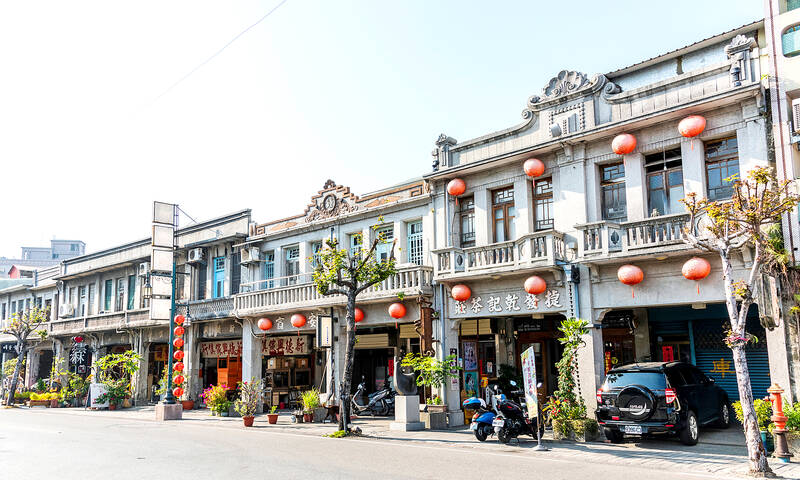
Photo: AdobeStock I 照片:AdobeStock
Yunlin County offers a unique blend of experiences of culture, history, and nature *that make it unforgettable. Often overshadowed by Taiwan’s other more famous destinations, Yunlin is a hidden gem waiting to be discovered.
* 此處關係代名詞 that 引導的形容詞子句修飾其前的名詞experiences,因此動詞用make。此外,本句的形容詞子句亦可看作是修飾更前面的名詞blend,此時動詞用makes。
沿著雲林的老街漫步就像是踏上一趟回到過去的旅程,因為老街充滿了迷人的歷史建築,反映出該縣興盛的過往。在雲林縣著名的老街中,西螺老街以保存完好的歷史區域而格外出眾。這條街有許多於1930年代建造的巴洛克式建築,當時這個地區在日本的殖民統治下是個欣欣向榮的商業中心。如今,該區保有大部分原始的魅力,有傳統店舖、茶館以及點心小販提供在地人和遊客懷舊的體驗。
雖然雲林縣以其文化和歷史景點而出名,該縣也是臺灣最重要的農業區之一。雲林遼闊的平原產出多樣的作物,包含稻米、水果和蔬菜。古坑鄉的華山地區尤其值得注意,其最著名的是咖啡園和茶園。在這個高緯度、土壤肥沃區域所生產之咖啡豆的風味以其滑順的口感和獨特的特性為特色。一年一度的古坑咖啡節自2003年以來都在慶祝著古坑鄉豐富的咖啡種植傳統。
前往華山的遊客可以沉浸在茶園之中、觀察製茶過程,以及在採收季節參與採茶活動。茂盛的森林以及潺潺的溪流覆蓋著整個華山。涼快、起霧的早晨加上涼爽的山間空氣製造出寧靜的氛圍,使得華山成為自然愛好者、登山客和攝影師理想的造訪之地。
雲林縣提供結合了文化、歷史和自然的獨特體驗,令人難忘。雲林常常因臺灣其他更有名的地點而黯然失色,但它是個等待被發掘的祕境。
Words in use
1. stroll vi. 漫步,散步
People often stroll along the beach at sunset.
人們經常在日落時沿著海灘漫步。
2. prosperous a. 興盛的,繁榮的
Countries rich in natural resources can become prosperous with wise management.
有了恰當的管理,富有自然資源的國家可以變得興盛。
3. thriving a. 欣欣向榮的,繁榮興盛的
Local businesses are thriving thanks to the increasing number of tourists.
由於遊客數不斷上升,當地的商家欣欣向榮。
4. colonial a. 殖民地的
Colonial legacies may affect modern culture.
殖民所留下的事物可能會影響現代文化。
5. retain vt. 保有,保留
The organization strives to retain valuable traditional practices.
該組織努力保留有價值的傳統習俗。
Practical Phrases
1. be home to. . . 是…的所在地
The rainforest is home to unique wildlife that cannot be found anywhere else.
這座雨林有其他地方都看不到的獨特野生動植物。
2. be distinguished by. . . 以…為特色
distinguish vt. 使有別於
Successful leaders are often distinguished by their ability to inspire and motivate others.
成功的領導人通常具有啟發、鼓舞他人的能力。
What Did You Learn?
1. Which phrase in the Day 1 passage means “located in a quiet place where few people go”?(簡答)
2. What was Siluo Old Street’s role during the Japanese colonial period?(簡答)
3. Arrange the following events in order of time.(填空)
a. The Beigang Chaotian Temple was built.
b. The Yunlin Palm Puppet Museum opened.
c. The first Gukeng Coffee Festival took place.
d. Siluo Old Street’s baroque-style buildings were constructed.
4. Which activities CANNOT be experienced in Yunlin, according to the two-day passage?(多選題)
(A) Going to temples and looking at the sculptures of Matsu.
(B) Interacting with friendly wild animals in mountain areas.
(C) Walking through streets filled with old buildings and shops.
(D) Taking a close look at real palm puppets and watching puppet shows.
(E) Acquiring knowledge about Japanese architecture from professionals.
(F) Picking leaves with local tea farmers and learning how they are harvested.
答案:
1: tucked away in
2: a commercial hub
3: a → d → c → b
4: B、E
聽文章朗讀及講解: https://ivy.pse.is/455bfu
本文出自常春藤解析英語雜誌: www.ivy.com.tw
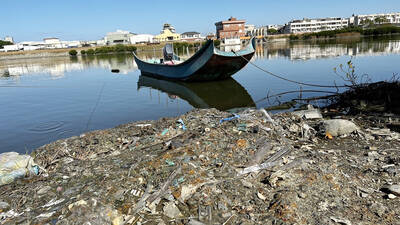
Many consumers are guilty of filling drawers or closets with old laptops, cellphones, fitness trackers and other electronic devices once they are no longer needed. It’s hard to know where to recycle such items, or it seems costly and inconvenient to do so. The world generates millions of tons of electronic waste — also called e-waste — each year. According to the UN’s most recent estimate, people worldwide produced 62 million metric tons of e-waste in 2022, and only about 22 percent of it was properly recycled. The US’ Environmental Protection Agency estimates that less than a quarter of e-waste is

You’re sitting in class when a classmate asks to borrow a pencil. It seems like a small favor, so you agree without hesitation. The following week, the same classmate asks to share your notes. Later, they request help with a group project. You agree each time — after all, you helped out the first time — but before you know it, it has become automatic. This scenario demonstrates the “foot-in-the-door technique,” a psychological concept that shows how agreeing to small, acceptable demands makes it easier to accept larger ones later on. The name for this strategy comes from door-to-door

A: The four-day Tomb Sweeping Day long weekend begins Friday and will run until Monday. Are you going to sweep your ancestors’ tombs? B: I did in advance last weekend, so I can go to Kaohsiung to see the musical “The Phantom of the Opera.” A: Wow, is “Phantom” touring Taiwan again? It debuted in 1986, so this year marks the 40th anniversary of the show. B: And it’s not just touring Kaohsiung starting March 31, but also Taipei starting April 21 and Taichung starting May 26. A: “Phantom” is one of the world’s Four Major Musicals. I’ve seen all of them, except “Les

Dos & Don’ts — 想想看,這句話英語該怎麼說? 1. 我們很早到達電影院。 ˇ We arrived at the theater very early. χ We arrived the theater very early. 註︰arrive 為不及物動詞,後面如果有受詞要用 at 或 in。例如:They arrived in Taipei yesterday.。一般大地方,如國家、省、大城市等前面用 in,凡小地方城鎮、學校等則用 at。 2. 開車半小時以後,我們到達了海灘。 ˇ After half an hour’s drive, we got to the beach. χ After half an hour’s drive, we got the beach. 註︰come, go, get(來、去、到達)某地時,在表示地點的名詞前面應該用 to,如 go to school, go to Taipei, come to Shanghai 等。如果這些動詞後面所跟的是 here, there, home 等副詞,則不用 to。 3. 明天我會回辦公室。 ˇ I will be back in the office tomorrow. χ I will be back to office tomorrow. 註︰to be back 一語裡的 back 是副詞,不是介詞,所以後面要用 at (the market) 或 in (the office)。 假如假期結束,要回學校上課了則可說: ? Kids will be back


 RSS
RSS