


2020 年 4 月 6 日媒體報導 〈連假後憂爆第三波疫情 醫師提醒出門最需擔心「隱性感染者」〉,側面反映出防疫最大的威脅之一就是所謂的「隱性感染者」。「隱性感染」英文是 subclinical infection/inapparent infection/silent infection,「隱性感染者」則是 subclinical infected person,其實就是「無症狀帶原者」 (asymptomatic carrier)。Asymptomatic 是 showing no symptoms 的意思。
在討論疫情傳播途徑時,「接觸傳播」是 contact transmission,「飛沫傳播」是 droplet transmission,「空氣傳播」是 airborne transmission,「社區傳播」是community transmission,「社區擴散」是 community spread,「局部傳播」是 local transmission。
此外,「群聚感染」英文是 cluster infection,「院內感染」是 hospital-acquired infection/nosocomial infection。
Photo/Graphic courtesy of Bookman 圖片:書林
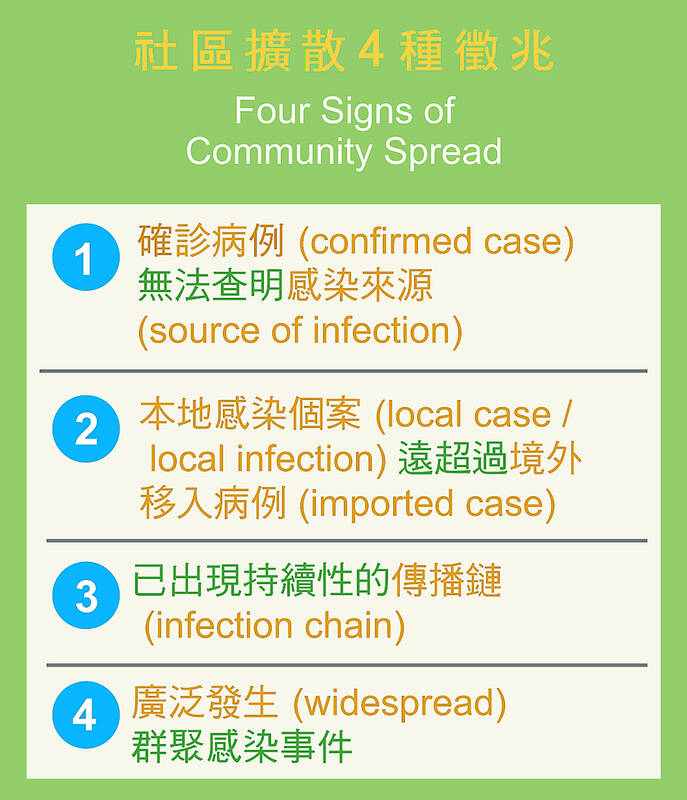
台灣第 19 例新冠肺炎確診病例是名「白牌車」(unlicensed taxi) 司機,陳時中部長特別說明這個病例可算是「*社區感染」,不是「社區傳播」。陳部長說明社區傳播的特性是:「在社區中走動都會被感染」。它具有四個徵兆:
1. 確診病例無法找到傳染來源;
2. 本地感染個案數已遠超過境外移入感染個案數;
3. 已經出現持續性的傳播鏈;
4. 有廣泛發生的群聚感染 (cluster infection) 事件。
部長提到的兩個名詞在英文中應該是 local transmission 和 community spread,嚴格來講,中文應該說「局部傳播」與「社區傳播」或「社區擴散」,語意上會較為清楚。我們醫衛系統使用的「社區感染」譯自英文 local transmission,但從中文字面,很容易與「社區傳播」(community transmission) 混淆。根據伊利諾州醫衛部對 local transmission 的解釋:Limited local confirmed transmission is defined as a single, locally acquired case, or cases clustered in a single household or nearby houses,它的意思是「只侷限在一家或附近幾家的很小範圍內感染」。在醫學上,身體的「局部感染」英文叫 local infection。因此 local transmission 一詞宜譯為「局部傳播」、「侷限傳播」或「有限度感染」,會比「社區感染」清楚。
國家教育研究院雙語審譯會 2020 年 4 月份開會決議,將 local transmission 譯為「局部傳播」,將 community spread 譯為「社區擴散」。
文章由書林出版公司提供:
www.bookman.com.tw
蘇正隆 — 台灣翻譯學學會前理事長、師大翻譯研究所兼任副教授; 編著《英語的對與錯》,《世紀病毒:必讀防疫英文知識與詞彙》...等

Many consumers are guilty of filling drawers or closets with old laptops, cellphones, fitness trackers and other electronic devices once they are no longer needed. It’s hard to know where to recycle such items, or it seems costly and inconvenient to do so. The world generates millions of tons of electronic waste — also called e-waste — each year. According to the UN’s most recent estimate, people worldwide produced 62 million metric tons of e-waste in 2022, and only about 22 percent of it was properly recycled. The US’ Environmental Protection Agency estimates that less than a quarter of e-waste is

You’re sitting in class when a classmate asks to borrow a pencil. It seems like a small favor, so you agree without hesitation. The following week, the same classmate asks to share your notes. Later, they request help with a group project. You agree each time — after all, you helped out the first time — but before you know it, it has become automatic. This scenario demonstrates the “foot-in-the-door technique,” a psychological concept that shows how agreeing to small, acceptable demands makes it easier to accept larger ones later on. The name for this strategy comes from door-to-door

A: The four-day Tomb Sweeping Day long weekend begins Friday and will run until Monday. Are you going to sweep your ancestors’ tombs? B: I did in advance last weekend, so I can go to Kaohsiung to see the musical “The Phantom of the Opera.” A: Wow, is “Phantom” touring Taiwan again? It debuted in 1986, so this year marks the 40th anniversary of the show. B: And it’s not just touring Kaohsiung starting March 31, but also Taipei starting April 21 and Taichung starting May 26. A: “Phantom” is one of the world’s Four Major Musicals. I’ve seen all of them, except “Les

Continued from yesterday(延續自昨日) https://www.taipeitimes.com/News/lang Gig Tripping “Gig tripping” combines concerts with travel. People fly to see their favorite artists perform — usually abroad—and spend a few days sightseeing before or after the show. While die-hard fans have done this since the 1960s, the post-pandemic travel boom changed the game. Even people who aren’t superfans are now booking international concert trips because they want to make the most of travel opportunities. This trend exploded in the US, as the math makes sense. Domestic concert tickets are so costly that flying abroad for the show plus tourism expenses often matches or even beats the price


 RSS
RSS