


NASA decided Saturday last week it’s too risky to bring two astronauts back to Earth in Boeing’s troubled new capsule, and they’ll have to wait until next year for a ride home with SpaceX. What should have been a weeklong test flight for the pair will now last more than eight months.
The seasoned pilots have been stuck at the International Space Station since the beginning of June. A cascade of vexing thruster failures and helium leaks in the new capsule marred their trip to the space station, and they ended up in a holding pattern as engineers conducted tests and debated what to do about the flight back.
After almost three months, the decision finally came down from NASA’s highest ranks on Saturday last week. Butch Wilmore and Suni Williams will come back in a SpaceX capsule in February. Their empty Starliner capsule will undock in early September and attempt to return on autopilot with a touchdown in the New Mexico desert.
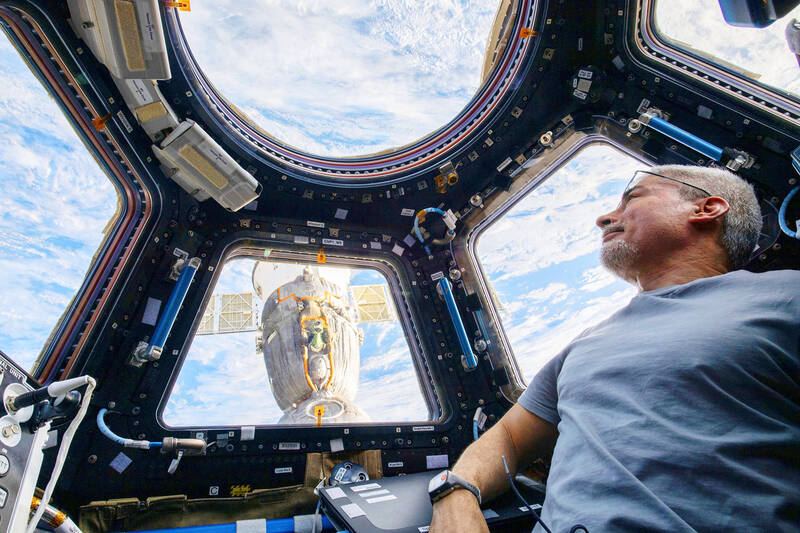
Photo: AP 照片:美聯社
As Starliner’s test pilots, the pair should have overseen this critical last leg of the journey.
“A test flight by nature is neither safe nor routine,” said NASA Administrator Bill Nelson. The decision “is a result of a commitment to safety.”
Nelson said lessons learned from NASA’s two space shuttle accidents played a role. This time, he noted, open dialogue was encouraged rather than crushed.
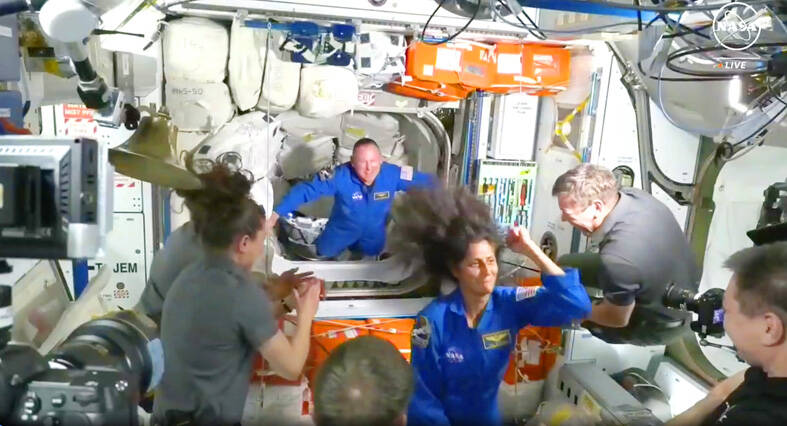
Photo: AP 照片:美聯社
It was a blow to Boeing, adding to the safety concerns plaguing the company on its airplane side. Boeing had counted on Starliner’s first crew trip to revive the troubled spacecraft program after years of delays and ballooning costs. The company had insisted Starliner was safe based on all the recent thruster tests both in space and on the ground.
Wilmore, 61, and Williams, 58, are both retired Navy captains with previous long-duration spaceflight experience.
The SpaceX capsule currently parked at the space station is reserved for the four residents who have been there since March. They will return in late September, their routine six-month stay extended a month by the Starliner dilemma. NASA said it would be unsafe to squeeze two more into the capsule, except in an emergency.
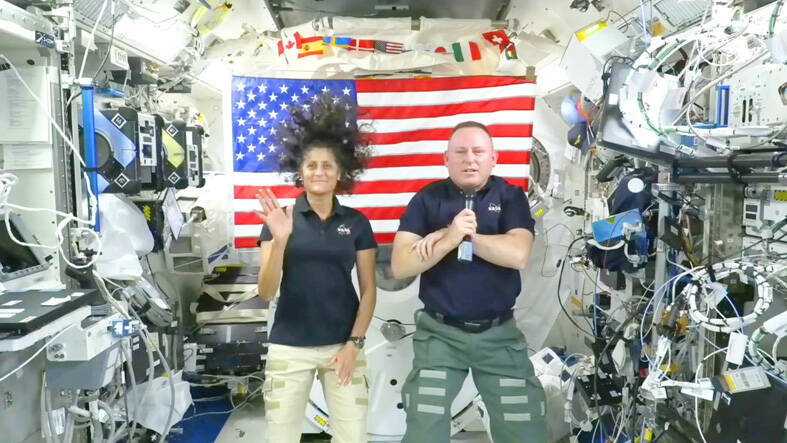
Photo: AP 照片:美聯社
The docked Russian Soyuz capsule is even tighter, capable of flying only three — two of them Russians wrapping up a yearlong stint.
So Wilmore and Williams will wait for SpaceX’s next taxi flight. It’s due to launch in late September with two astronauts instead of the usual four. NASA is yanking two to make room for Wilmore and Williams on the return flight in late February.
NASA said no serious consideration was given to asking SpaceX for a quick stand-alone rescue. Last year, the Russian Space Agency had to rush up a replacement Soyuz capsule for three men whose original craft was damaged by space junk. The switch pushed their six-month mission to just over a year.
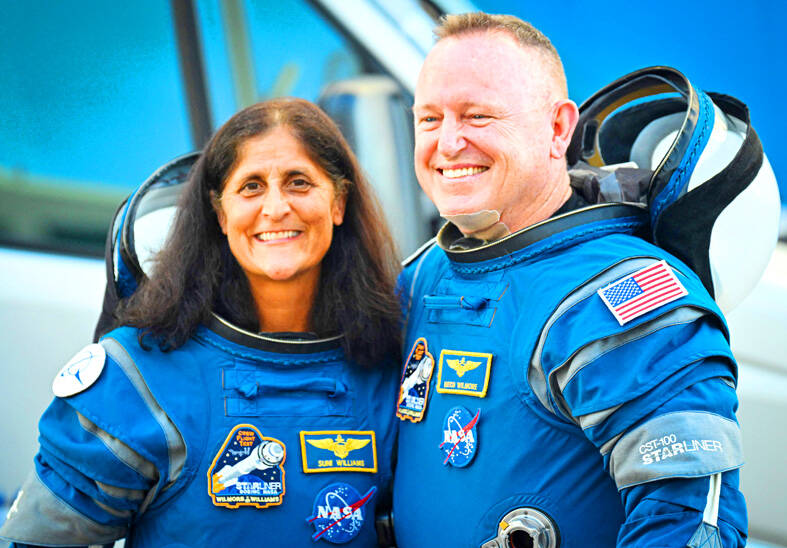
Photo: AFP 照片:法新社
Starliner’s woes began long before its latest flight.
Bad software fouled the first test flight without a crew in 2019, prompting a do-over in 2022. Then parachute and other issues cropped up, including a helium leak in the capsule’s propellant system that nixed a launch attempt in May. The leak eventually was deemed to be isolated and small enough to pose no concern. But more leaks sprouted following liftoff, and five thrusters also failed.
All but one of those small thrusters restarted in flight. But engineers were perplexed by ground testing that showed a thruster seal swelling and obstructing a propellant line. They theorized the seals in orbit may have expanded and then reverted to their normal size.
With all the uncertainty about how the thrusters might perform, “There was too much risk for the crew,” Steve Stich, NASA’s commercial crew program manager, told reporters.
These 28 thrusters are vital. Besides being needed for space station rendezvous, they keep the capsule pointed in the right direction at flight’s end as bigger engines steer the craft out of orbit. Coming in crooked could result in catastrophe.
With the Columbia disaster still fresh in many minds — the shuttle broke apart during reentry in 2003, killing all seven aboard — NASA made an extra effort to embrace open debate over Starliner’s return capability.
(AP)
美國太空總署(NASA)認為,波音公司出問題的新太空艙風險太高,上週六決定讓兩名太空人改搭SpaceX,因此他們必須等到明年才能返回地球。兩位太空人原本進行的是為期一週的試飛,但現在卻變成八個多月。
這兩位經驗豐富的飛行員自六月初起就一直被困在國際太空站。新太空艙一連串惱人的推進器故障及氦氣洩漏破壞了他們的太空站之旅,結果讓他們陷入停滯,等待工程師測試及討論返航相關事宜。
近三個月後,NASA最高層終於在上週六做出此決定。布奇‧魏勒摩爾和蘇妮‧威廉斯將於明年二月搭乘SpaceX太空艙返回。他們的星際飛機(Starliner)太空艙將於九月初脫離與國際太空站的對接,返航時不會載人,預計以自動駕駛模式在美國新墨西哥州沙漠著陸。
兩人身為星際飛機的試飛員,本應監督這關鍵的最後一段旅程。
「試飛本質上既不安全也非例行公事」,NASA署長比爾‧納爾遜說。這個決定「是對安全的承諾」。
納爾遜表示,從NASA兩次太空梭事故中得到的教訓是原因之一。他指出,這一次,公開對話受到鼓勵,而不是被壓制。
這對波音公司來說是一個打擊,讓困擾該公司的飛機安全問題雪上加霜。波音公司曾指望藉由星際飛機的首次載人飛行來重振陷入困境的太空船計畫,該計畫已延誤多年,成本不斷膨脹。波音堅稱,根據最近在太空和地面進行的所有推進器測試,星際飛機是安全的。
61歲的魏勒摩爾和58歲的威廉斯都是退役海軍上校,擁有長期太空飛行經驗。
目前停在太空站的SpaceX 太空艙是為三月以來一直待在那裡的四位太空人保留的。他們將於九月下旬返回地球;由於星際客機的困境,他們通常為期六個月的停留時間已延長了一個月。NASA表示,除非是緊急情況,否則將太空艙再擠進兩人是不安全的。
對接的俄羅斯聯盟號太空艙空間更狹小,只能搭載三人——其中兩名俄國人將結束為期一年的任務。
因此,魏勒摩爾和威廉斯將等待SpaceX的下一次載人飛行,預計將於九月下旬發射,運載兩名太空人,而非如往常的四名太空人。NASA正抽調兩名太空人,以便為魏勒摩爾和威廉斯明年二月底的回程騰出空間。
NASA表示,並未認真考慮要求SpaceX單就此事進行快速救援。去年俄國聯盟號太空艙被太空垃圾打壞,俄羅斯航太不得不緊急運送一個替代的太空艙給三名太空人,這轉換讓他們原本六個月的任務延長為一年多。
星際飛機的多舛命運早在最近一次航行前就開始了。
2019年,第一次無載人試飛出現了軟體問題而失敗,延至2022年再進行。然後降落傘等其他問題突然出現,包括太空艙推進劑系統的氦氣洩漏,導致原訂五月的發射取消。那次洩漏最後被認定是獨立事件,沒有大礙。但升空後出現了更多洩漏,並有五個推進器故障。
所有這些小型推進器在飛行中又重新啟動,只有一個例外。但地面測試顯示一個推進器密封處膨脹,阻塞了推進劑管線,工程師對此感到困惑。他們推測軌道上的封條可能膨脹了,然後又恢復到正常大小。
NASA商業載客專案經理史提夫‧史蒂奇對記者表示,由於推進器的性能有很大的不確定性,「機組人員面臨太大的風險」。
這二十八個推進器至關重要。除了太空站交會所需之外,它們還使太空艙在飛行結束時保持指向正確的方向,因為更大的引擎會將太空船引出軌道。以歪斜的角度進來可能會導致災難。
哥倫比亞號太空梭失事對許多人來說仍記憶猶新——2003年它在重返大氣層時解體,太空梭上七人全部遇難——NASA對於星際飛機是否能成功返航,付出了額外努力接受公開辯論。
(台北時報林俐凱編譯)
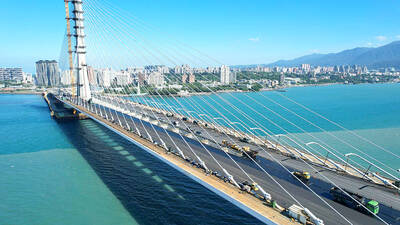
A: The Danjiang Bridge in New Taipei City is to open on May 12, and the MRT Sanying Line (Light Blue Line) will also open in June. Isn’t that great? B: Is that the bridge connecting the city’s Tamsui and Bali Districts? What’s so special about this new landmark spanning the Tamsui River? A: The Danjiang Bridge will become the world’s longest-span single-mast asymmetric cable-stayed bridge — with a total river-crossing section of 920 meters and main span of 450 meters. B: The news says there are sidewalks and bike lanes on both sides. Watching the sunset from the
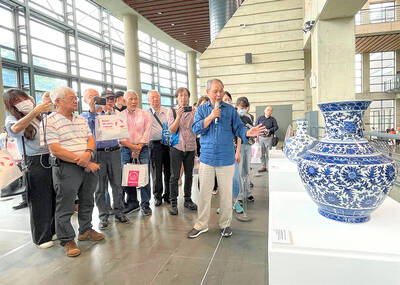
A: Apart from the Danjiang Bridge in New Taipei City, the MRT Sanying Line (Light Blue Line) will open in June. B: Is that the new line leading to Yingge District, the ceramic town? A: Yup, the line will connect the Yingge Ceramics Museum and the Old Streets in Sanxia and Yingge Districts. B: The eastward extension of the Tamsui-Xinyi Line (Red Line) that goes through Taipei’s Xinyi District will also open in June. A: Plus, Taoyuan’s Aerotropolis Line (Green Line) will partially open by the end of the year. In the future, it will connect the

In the dense forests of Tanzania, a young researcher sat quietly among the trees, her gaze fixed on a troop of chimpanzees. It was 1960, and Jane Goodall, armed with nothing but a notebook and endless curiosity, was about to change science forever. Inspired by childhood stories like the Dr. Dolittle series, she had dreamed of Africa — and now, thanks to the encouragement of anthropologist Louis Leakey, she was there, face-to-face with the wild. What Jane discovered shocked the world. Chimpanzees weren’t mere creatures of instinct; they were individuals with emotions, families, and even the capacity for tool
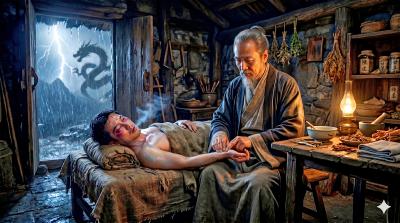
★ Bilingual Story is a fictionalized account. 雙語故事部分內容純屬虛構。 Rain hammered the roof in hard, uneven bursts. “Hold him still!” Baosheng pressed one hand against the stranger’s brow as the man twisted on the wooden bed. His left eye was swollen shut. The right one burned red like a coal. “It feels like fire,” the man gasped. “Like something is clawing inside.” Thunder rolled across the mountain. Baosheng leaned closer. The man’s skin was cold, but heat rose from his face. A strange smell hung in the air. He began the four methods of diagnosis: looking, listening/smelling,


 RSS
RSS