


Once upon a time, on the small island of Mauritius in the Indian Ocean, there lived a peculiar creature known as the dodo. There are various theories to explain the name of this flightless bird, which was first encountered by European sailors in the 16th century. One popular belief is that “dodo” derived from the Portuguese doudo or doido, meaning foolish or stupid. It was likely inspired by the bird’s clumsy and fearless nature.
The dodo’s appearance was as unusual as its name. Characterized by a large body, short stubby wings, and a distinctive hooked beak, the dodo certainly stood out. These birds stood about 1m tall and weighed around 20kg. Due to the lack of natural predators in Mauritius, the dodo evolved to have small, flightless wings. Its inability to fly was compensated by strong legs, which allowed them to waddle around the island’s forests.
Unfortunately, these descriptions of the dodo largely come from historical records pieced together after its extinction. Within a century of its discovery, the dodo had disappeared as a result of several factors. The arrival of humans and some aggressive species, such as rats and pigs, initiated the dodo’s tragic end. These new settlers competed for food and preyed on the dodo’s eggs. The impact of humans was even more devastating. The trusting nature of the dodo made it vulnerable to sailors hunting for food. Combined with habitat destruction, these elements hastened its extinction. The dodo became one of the earliest known instances of human-induced species loss.
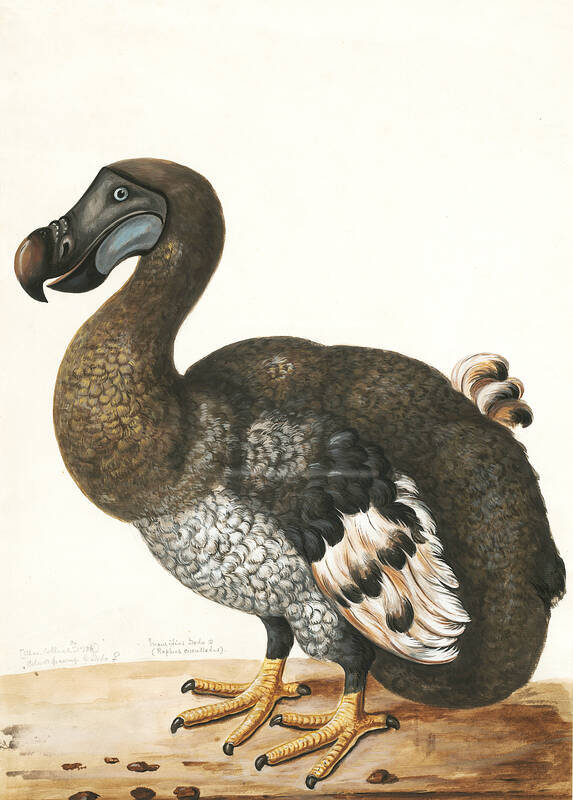
Photo: Unsplash 照片:Unsplash
The phrase “as dead as a dodo,” born from this extinction, symbolizes something permanently gone. Though now often used to describe old-fashioned ideas or trends, the phrase remains a powerful caution. The dodo’s story, while tragic, teaches valuable conservation lessons, urging the protection of all current species.
從前,在印度洋的模里西斯小島上,住著一種被稱為渡渡鳥的奇特生物。這種無法飛行的鳥類在西元 16 世紀首次被歐洲水手發現,有各種理論可以解釋牠的名字。一種普遍的觀點是,「dodo」一詞源於葡萄牙語的 doudo 或 doido,意思是愚蠢或笨拙。這很可能是受到這種鳥笨拙又無畏的天性所啟發的。
渡渡鳥的外觀與其名字一樣不尋常。以龐大的身軀、短而粗壯的翅膀,和獨特的鉤狀喙為特徵,渡渡鳥確實很突出。這些鳥站立時約有一公尺高,重約二十公斤。由於模里西斯島上缺乏天敵,渡渡鳥演化出了短小又不會飛的翅膀。牠們不能飛行的劣勢被強壯的腿部所彌補,這讓牠們得以在島上的森林中蹣跚而行。
不幸的是,對渡渡鳥的這些描述大多來自其滅絕後拼湊而成的歷史紀錄。在被發現後的一個世紀內,渡渡鳥就因諸多因素消失了。人類以及一些具有侵略性的物種,如老鼠和豬的到來,開始了渡渡鳥悲劇性的結局。這些新的定居者爭奪食物並掠食渡渡鳥的蛋。人類的影響甚至更具毀滅性。渡渡鳥信任的天性使其容易受到尋找食物的水手們的傷害。加上棲息地的破壞,這些因素加速了牠的滅絕。渡渡鳥成為人類導致物種滅絕的最早已知例子之一。
「像渡渡鳥一樣死了」的這句話源於此滅絕,象徵著某事物永遠地消失。儘管現在常用來描述老掉牙的觀念或趨勢,但這句話仍然是一個強而有力的警告。渡渡鳥的故事雖然悲慘,但教導了我們寶貴的保育教訓,呼籲我們要對所有現存物種有所保護。
MORE INFORMATION
Mauritius n. 模里西斯(印度洋島國)
Portuguese adj. 葡萄牙語的
stubby adj. 短粗的;矮胖的
waddle vi. 蹣跚而行;搖擺行走
initiate vt. 開始
devastating adj. 毀滅性的;破壞性極大的
human-induced adj. 人為因素的;人為誘導的
symbolize vt. 象徵;代表
KEY VOCABULARY
1. tragic flaw 悲劇性缺點
The character’s tragic flaw is his unstoppable desire for revenge on his enemies.
tragedy n. 悲劇
A tragedy happened at this park two years ago when several people were shot.
end in tragedy 以悲劇收場
The beloved actress’s life ended in tragedy after she passed away from a sudden illness.
tragedy strikes sb 悲劇發生於……身上
Tragedy struck the family when their youngest daughter went missing without a trace.
tragically adv. 悲慘地
Tragically, none of the passengers on the plane survived the crash.
2. peculiar adj. 奇特的;古怪的
Nathan has a peculiar eating habit: he scratches his chin before every meal.
納森有一個奇特的飲食習慣:他在每餐前都會抓下巴。
3. hooked adj. 鉤狀的;帶鉤的;著迷的
Nelly hung her coat on the hooked rack by the door as she entered the house.
娜莉走進房子時,把外套掛在門邊的鉤狀架子上。
4. compensate v. 彌補;賠償
No amount of money can compensate for the loss of a loved one.
任何金錢都無法彌補失去摯愛的痛苦。
5. extinction n. 滅絕;消滅
Many believe that an ice age on Earth is what caused the extinction of the dinosaurs.
許多人相信地球的冰河時期就是造成恐龍滅絕的原因。
6. settler n. 移居者;殖民者;開拓者
Conflict often arose between the native inhabitants and the settlers over land and resources.
土地和資源的問題經常引起原住民與移居者之間的衝突。
7. habitat n.(動植物的)棲息地
Most bears’ natural habitat is the forest, where they can easily hunt for food.
大多數的熊的自然棲息地是森林,在那裡牠們能輕易地尋找食物。
8. permanently adv. 永久地;長久地
After an accident on one of the rides, the amusement park was closed down permanently.
在其中一座遊樂設施發生一場意外之後,這座遊樂園就永久關閉了。
9. urge v. 敦促;力勸
Rita’s teacher urged her to submit her art to the annual competition.
麗塔的老師敦促她把她的藝術作品提交到那場年度比賽。
學習音檔: https://magazine.english4u.net/Magdata/menu/vtnnc
《空中美語》雜誌APP免費下載: https://www.english4u.net/apps/index.aspx
免費收聽當月《空中美語》雜誌課文朗讀及解析 !
文章由AMC空中美語授權使用: https://www.english4u.net
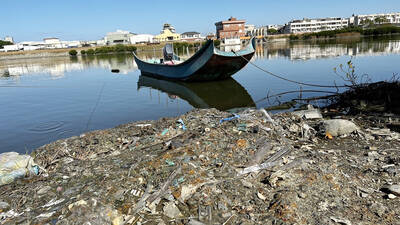
Many consumers are guilty of filling drawers or closets with old laptops, cellphones, fitness trackers and other electronic devices once they are no longer needed. It’s hard to know where to recycle such items, or it seems costly and inconvenient to do so. The world generates millions of tons of electronic waste — also called e-waste — each year. According to the UN’s most recent estimate, people worldwide produced 62 million metric tons of e-waste in 2022, and only about 22 percent of it was properly recycled. The US’ Environmental Protection Agency estimates that less than a quarter of e-waste is

You’re sitting in class when a classmate asks to borrow a pencil. It seems like a small favor, so you agree without hesitation. The following week, the same classmate asks to share your notes. Later, they request help with a group project. You agree each time — after all, you helped out the first time — but before you know it, it has become automatic. This scenario demonstrates the “foot-in-the-door technique,” a psychological concept that shows how agreeing to small, acceptable demands makes it easier to accept larger ones later on. The name for this strategy comes from door-to-door

A: The four-day Tomb Sweeping Day long weekend begins Friday and will run until Monday. Are you going to sweep your ancestors’ tombs? B: I did in advance last weekend, so I can go to Kaohsiung to see the musical “The Phantom of the Opera.” A: Wow, is “Phantom” touring Taiwan again? It debuted in 1986, so this year marks the 40th anniversary of the show. B: And it’s not just touring Kaohsiung starting March 31, but also Taipei starting April 21 and Taichung starting May 26. A: “Phantom” is one of the world’s Four Major Musicals. I’ve seen all of them, except “Les

Dos & Don’ts — 想想看,這句話英語該怎麼說? 1. 我們很早到達電影院。 ˇ We arrived at the theater very early. χ We arrived the theater very early. 註︰arrive 為不及物動詞,後面如果有受詞要用 at 或 in。例如:They arrived in Taipei yesterday.。一般大地方,如國家、省、大城市等前面用 in,凡小地方城鎮、學校等則用 at。 2. 開車半小時以後,我們到達了海灘。 ˇ After half an hour’s drive, we got to the beach. χ After half an hour’s drive, we got the beach. 註︰come, go, get(來、去、到達)某地時,在表示地點的名詞前面應該用 to,如 go to school, go to Taipei, come to Shanghai 等。如果這些動詞後面所跟的是 here, there, home 等副詞,則不用 to。 3. 明天我會回辦公室。 ˇ I will be back in the office tomorrow. χ I will be back to office tomorrow. 註︰to be back 一語裡的 back 是副詞,不是介詞,所以後面要用 at (the market) 或 in (the office)。 假如假期結束,要回學校上課了則可說: ? Kids will be back


 RSS
RSS