


A sweet aroma wafts through the air as you approach the Taiwan wheel cake stall. This classic Taiwanese food, derived from the popular Japanese snack imagawayaki, was introduced to Taiwan during the Japanese rule period. A Taiwan wheel cake is a golden brown cake baked on a pan and then filled with various fillings. The fillings range from the original adzuki bean paste and custard cream varieties to taro paste and peanut paste as well as a savory dried pickled daikon filling. Some more innovative vendors add fruit or ice cream to the filling and even incorporate flavors like matcha or cocoa powder into the outer layer.
當你走近車輪餅攤時,會聞到一股甜美的香氣撲鼻而來。這經典的台灣點心源自於日本的今川燒,於日治時期引進台灣。外皮在烤盤上烤成金黃色,然後填入各種餡料,餡料從最初的紅豆餡和奶油餡兩種口味,發展成芋泥餡、花生餡,甚至菜脯等鹹的餡料。有的攤販更發揮創意,在餡料加入水果、冰淇淋,或以抹茶及巧克力口味的外皮吸引顧客上門。
Japanese rule period (n. phr.) 日治時期
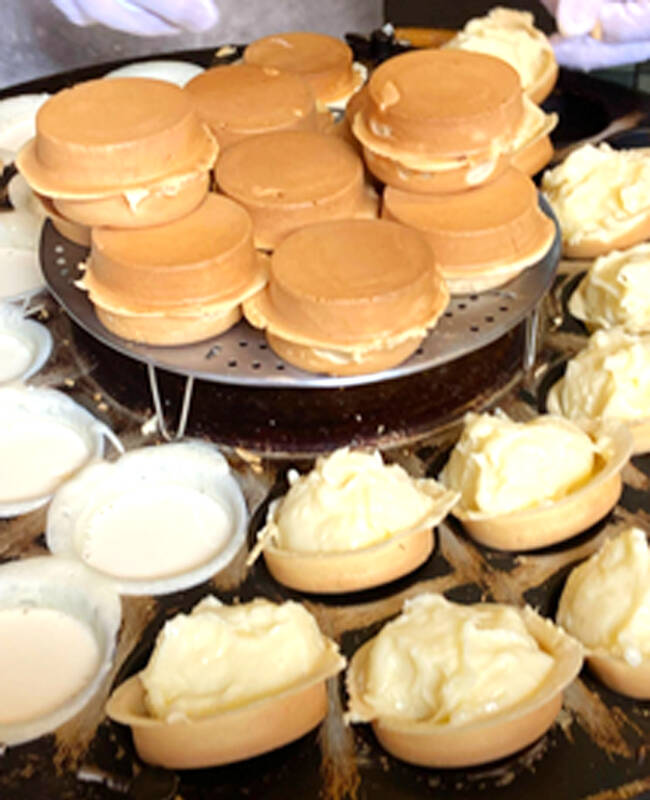
Photo: Bookman l 圖片:書林
Many wheel cakes are made at the same time using a cast iron pan which has circular indentations. Batter is spread thinly over these indentations using a brush to evenly distribute the batter. After the batter cooks and turns golden brown, the wheel cake skins resemble small dishes waiting to be filled. Making one wheel cake requires two of these dishes (a top and a bottom), with the bottom dish holding the filling and the top dish covering the cake.
車輪餅的外皮是在有許多凹洞的鑄鐵烤盤上同時煎好幾個,倒入麵糊後會刷子將麵糊薄薄地塗抹在凹槽中,使麵糊均勻分佈。待麵糊烤至金黃色,外皮就像小盤子一樣,可以填入餡料。一個車輪餅需要兩個外皮,一個裝好餡,再蓋上另外一個。
indentation (n.) 凹槽
The Taiwanese wheel cake differs from the Japanese imagawayaki in taste and texture. The Japanese original is made by squeezing a thick layer of batter into a mold and then topping it with a filling and another thick layer of batter before the cake is fully cooked. Taiwan wheel cake, on the other hand, is typically made by thinly coating the batter in the mold. The wheel cake skins that enclose the plentiful fillings are thin, with a slightly chewy and crispy texture. Through continuous innovation and adaptation, the familiar and beloved wheel cake of Taiwan has also gained popularity around the world in other countries such as South Korea and the United States.
台灣車輪餅雖源自日本,但口感與日本今川燒不太一樣。日本的做法是在模具中擠入厚厚一層麵糊,在完全烤熟之前加入餡料,並蓋上另一層麵糊,口感鬆軟。而台灣車輪餅大部分是將麵糊薄薄地塗在凹槽中,皮薄餡多,麵皮略帶嚼勁和脆感。不斷的創新,讓台灣人熟悉的車輪餅,在韓國、美國等國家也頗受喜愛。
The classic filling for the wheel cakes is adzuki bean paste. Adzuki bean is called “red bean” in Chinese, hence Taiwanese people also call these cakes “red bean cakes.” The production of adzuki beans in Taiwan is particularly famous in Wandan, Pingtung. Adzuki beans require a unique growing environment, with a warm climate and restricted exposure to sunlight. Wandan, with its suitable autumn and winter sunlight and temperature, is the best place to grow adzuki beans, which are usually planted after the rice harvest. Once cooked, Wandan adzuki beans give off a pleasant fragrance and have a soft and dense texture, making them the perfect ingredient for wheel cakes.
車輪餅最經典的餡料是紅豆,故台灣人也會稱其為「紅豆餅」。台灣紅豆的產地以屏東萬丹最為出名,紅豆的生長環境特殊,需要溫暖的氣候條件,日照時間卻不能太長。萬丹秋冬日照合適、溫度適宜,是種植紅豆的最佳地點,於稻米收割後的秋季和冬季種植。萬丹產的紅豆煮熟後香氣濃郁,口感軟綿,最適合用來做車輪餅。
harvest (v.) 收割
fragrance (n.) 香氣
文章由書林出版公司提供:
www.bookman.com.tw
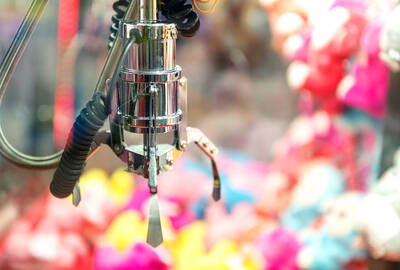
Have you ever found yourself desperately feeding coins into a claw machine just because you’ve already spent so much trying to win that stuffed animal? Or maybe you’ve continued watching a boring movie simply because you already paid for the ticket? If so, you’ve experienced the “sunk cost fallacy.” A sunk cost refers to time, money or effort that has already been spent and cannot be recovered. This psychological trap is surprisingly common. You might keep playing a video game you no longer enjoy because you’ve invested countless hours in building your character, or maintain a toxic friendship because you’ve known

A: Which TV drama series have been global hits so far this year? B: The US drama “Stranger Things 5,” South Korean drama “Can This Love Be Translated?” and Chinese megahit “Pursuit of Jade” are all popular lately. A: Isn’t “Pursuit of Jade” the costume idol drama about the romance between a charming marquis and a pig-slaughterer? Actor Zhang Linghe and actress Tian Xiwei are both so attractive. B: Plus, Netflix’s Korean-Japanese gay romance drama “Soul Mate” — starring Korea’s Ok Taec-yeon and Japan’s Hayato Isomura — is set to premiere in May. A: These hit international dramas
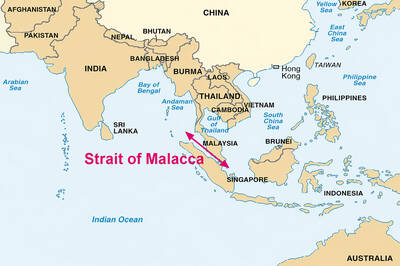
The closure of the Strait of Hormuz has forced policymakers in Asia to face questions over the security of other maritime chokepoints, including the Strait of Malacca, which is the world’s busiest waterway for international trade. WHAT IS THE MALACCA STRAIT? The 900km long Malacca Strait, bounded by Indonesia, Thailand, Malaysia and Singapore, provides the shortest sea route from East Asia to the Middle East and Europe. It carries nearly 22 percent of the world’s maritime trade, according to the Center for Strategic and International Studies (CSIS). This includes oil and gas shipments from the Middle East to the energy-hungry economies of China,
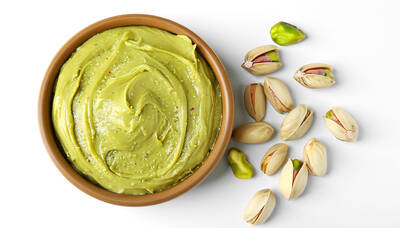
It seems like every year, new foods or drinks start trending and suddenly show up everywhere. A decade ago, avocado __1__ restaurant menus, while oat milk became the must-have addition to your coffee in cafes around five years back. The latest trend to hit this list is the pistachio. This flavorful green nut now features in everything from chocolate bars to Indian curries. While pistachios have long played a central role in certain regional cuisines, their recent global __2__ can be traced to Dubai. There, a specialty chocolate shop went __3__ on TikTok for one of its chocolate bars


 RSS
RSS