


Turkey is the traditional Thanksgiving Day meal in the US. However, it is not often seen in Taiwan, as it is not traditionally part of our cuisine and not widely available in traditional markets, but Taiwanese people still have a chance to try it. One such dish is turkey rice, a popular specialty originating from Chiayi and cooked by a traditional cooking method.
火雞是西方國家感恩節時餐桌上常見的佳餚,但在台灣因不是平常吃的肉類而較少見,市場也不容易買到。不過別以為台灣人不吃火雞,在嘉義就有一道火雞料理,以傳統方式烹調,成為當地招牌菜。
available (adj.) 可獲得的,現成的
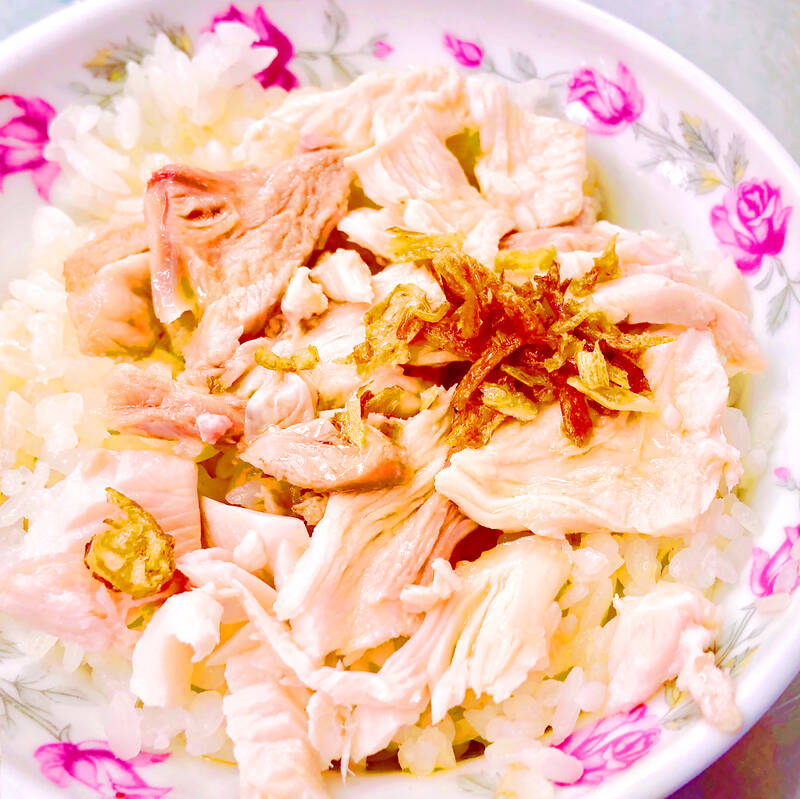
Photo: Flickr l 照片:Flickr
originate (v.) 發源;來自
Turkey rice, as its name implies, is sliced turkey served over rice. A sauce made of shallots, garlic and soy sauce is drizzled over the tender and succulent turkey meat. Pickled daikon is often served along with it to counter the greasy feeling which comes when enjoying it. This dish may surprise many foreign tourists who think of turkey as generally being a dry and bland meat.
火雞肉飯是將火雞肉鋪在飯上,肉質軟嫩多汁,淋上以紅蔥頭、蒜頭和醬油熬煮的醬汁,佐以醃蘿蔔解膩,若外國遊客嘗了火雞肉飯後,應會因一改火雞肉乾柴的印象而驚豔。
shallot (n.) 紅蔥頭
Due to being much larger in size than chickens, turkeys require a longer cooking time to ensure they are fully cooked. Unlike in the West, where turkeys are cooked in an oven, in Taiwan they are boiled on top of a stove. It is a challenging task requiring skill in controlling the flame to prevent the turkey from being overcooked on the outside yet undercooked inside. This cooking method can prevent the turkey from being dry and tough. Restaurants in Taiwan specializing in turkey rice have a unique two-step method for making it. They first boil it in a pot for a while and then turn off the heat, letting the turkey continue cooking for several hours in the hot water. This ensures the turkey is fully cooked while retaining its juicy and tender texture.
火雞體型比一般的雞隻大許多,需要更長時間才能熟透。火候控制的技巧是一大考驗,不然待外層煮熟時,裡面可能還未煮熟。為了避免肉質乾柴,口感不佳,火雞肉飯店家對此有獨門妙招,將火雞放進大鍋水煮一段時間,然後關火燜數小時,這能確保雞肉裡外熟透,肉質仍軟嫩多汁。
People in Taiwan haven’t been eating turkey for long. In Chiayi, home of turkey rice, local elders recount how US soldiers who were stationed there introduced turkey to the city after World War II. This led to local farmers raising large birds. The origin of turkey rice can be traced back to the traditional dish lurou fan (braised pork rice). One day when a restaurant owner had a boiled chicken that had been used as an offering, he got the idea to substitute the chicken for the pork in lurou fan. The resulting chicken rice was quite tasty.
其實台灣人食用火雞的歷史不長,據嘉義當地長輩所述,二戰結束後,駐紮在嘉義的美軍引進火雞,台灣人才開始飼養。火雞肉飯其實是沿襲了傳統滷肉飯的做法,創始店最早以賣滷肉飯為主,有天店主想到可以改放拜拜用的水煮雞,一試之下還挺美味。
station (v.) 駐紮,部署
However, chickens were more expensive than turkeys. As turkey is larger in size and less popular in Taiwanese cooking, it became a more affordable alternative at that time. It also has advantages such as having higher nutritional value, leading to the innovation of Chiayi’s signature dish, turkey rice. Today, it’s now easy to find restaurants named “Chiayi Turkey Rice” in almost every city in Taiwan, a testament to the popularity of this local dish.
不過當時雞肉價格較高,火雞肉因非台灣人平常吃的禽肉,體型又大,較一般雞隻便宜,還有營養價值高等優點,於是就有火雞肉飯這道嘉義招牌美食的誕生。現在台灣各縣市幾乎都找的到以「嘉義火雞肉飯」為名的店家,便知道這道美食如此受大眾歡迎。
alternative (n.) 替代品,供選擇的東西
nutritional value (n. phr.) 營養價值
文章由書林出版公司提供:
www.bookman.com.tw
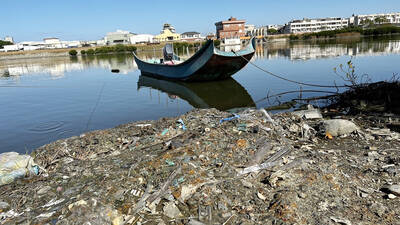
Many consumers are guilty of filling drawers or closets with old laptops, cellphones, fitness trackers and other electronic devices once they are no longer needed. It’s hard to know where to recycle such items, or it seems costly and inconvenient to do so. The world generates millions of tons of electronic waste — also called e-waste — each year. According to the UN’s most recent estimate, people worldwide produced 62 million metric tons of e-waste in 2022, and only about 22 percent of it was properly recycled. The US’ Environmental Protection Agency estimates that less than a quarter of e-waste is
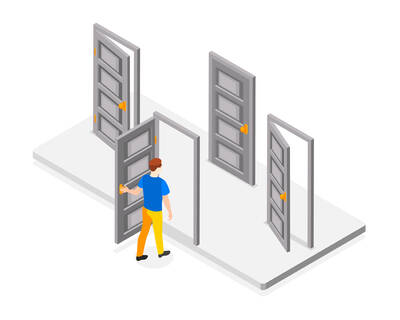
You’re sitting in class when a classmate asks to borrow a pencil. It seems like a small favor, so you agree without hesitation. The following week, the same classmate asks to share your notes. Later, they request help with a group project. You agree each time — after all, you helped out the first time — but before you know it, it has become automatic. This scenario demonstrates the “foot-in-the-door technique,” a psychological concept that shows how agreeing to small, acceptable demands makes it easier to accept larger ones later on. The name for this strategy comes from door-to-door

A: The four-day Tomb Sweeping Day long weekend begins Friday and will run until Monday. Are you going to sweep your ancestors’ tombs? B: I did in advance last weekend, so I can go to Kaohsiung to see the musical “The Phantom of the Opera.” A: Wow, is “Phantom” touring Taiwan again? It debuted in 1986, so this year marks the 40th anniversary of the show. B: And it’s not just touring Kaohsiung starting March 31, but also Taipei starting April 21 and Taichung starting May 26. A: “Phantom” is one of the world’s Four Major Musicals. I’ve seen all of them, except “Les

Dos & Don’ts — 想想看,這句話英語該怎麼說? 1. 我們很早到達電影院。 ˇ We arrived at the theater very early. χ We arrived the theater very early. 註︰arrive 為不及物動詞,後面如果有受詞要用 at 或 in。例如:They arrived in Taipei yesterday.。一般大地方,如國家、省、大城市等前面用 in,凡小地方城鎮、學校等則用 at。 2. 開車半小時以後,我們到達了海灘。 ˇ After half an hour’s drive, we got to the beach. χ After half an hour’s drive, we got the beach. 註︰come, go, get(來、去、到達)某地時,在表示地點的名詞前面應該用 to,如 go to school, go to Taipei, come to Shanghai 等。如果這些動詞後面所跟的是 here, there, home 等副詞,則不用 to。 3. 明天我會回辦公室。 ˇ I will be back in the office tomorrow. χ I will be back to office tomorrow. 註︰to be back 一語裡的 back 是副詞,不是介詞,所以後面要用 at (the market) 或 in (the office)。 假如假期結束,要回學校上課了則可說: ? Kids will be back


 RSS
RSS