


As summer comes to an end, do you pack away your sunscreen with the rest of your summer gear, convinced that its role is finished for the year? While many people assume sunscreen is a shield only needed on hot beach days and sweltering afternoons, the reality is quite different. Our skin requires protection from the sun not only in the summer heat, but also during winter’s chill.
There’s no denying that a moderate amount of sunlight improves our health. However, beneficial as the sun can be, it gives off two types of harmful ultraviolet (UV) rays — UVA and UVB. While UVB rays vary with the seasons, UVA rays, comprising 95 percent of the sun’s radiation, are constant companions throughout the year. These rays penetrate clouds, fog and windows, making no exception even on the gloomiest winter days.
Excessive or prolonged exposure to these harmful rays can damage our skin cells’ DNA. This could speed up skin aging, which manifests itself as fine lines and wrinkles. It also increases the risk of skin cancer. The skincare steps we take today lay the foundation for our future health.
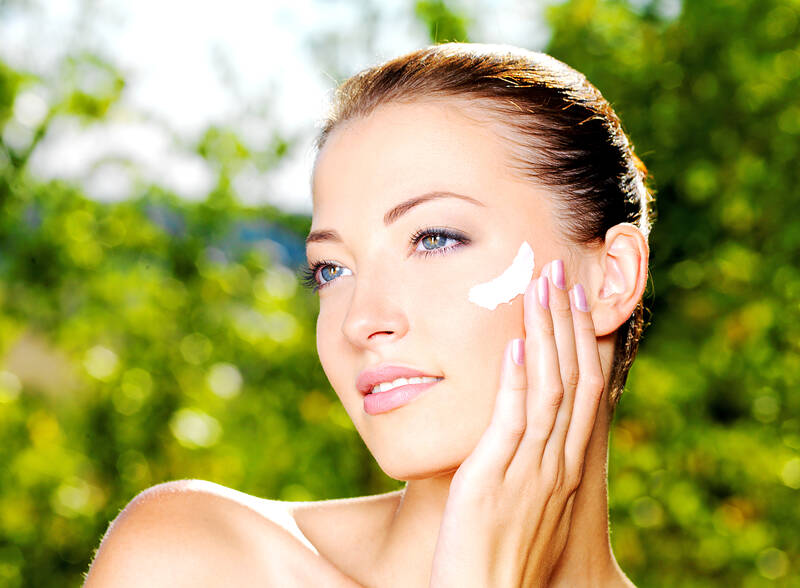
Photo: Freepik / 照片:Freepik
So, how can we protect our skin? While our layered winter outfits partially block UV rays, we must go further. Regular application of sunscreen, even on cloudy days, remains an essential habit if you’re planning to be outside for an extended period. Don’t forget your sunglasses, either. They prevent harmful rays from reaching your eyes. Plus, if you’re planning a snowy adventure, beware. Snow can reflect up to 80 percent of UV rays, nearly doubling our exposure.
Our quest for skin protection doesn’t take a break after summer. Armed with the right knowledge and reasonable precautions, we can enjoy every season without compromising our skin health. Instead of a seasonal routine, let’s make sun protection a year-round commitment.
隨著夏天進入尾聲,你是否會將防曬乳和其他夏季用品一起收好,認為它的作用在這一年當中已經結束了呢?雖然很多人認為防曬乳只是在要去海灘遊玩的大熱天和酷熱難耐的午後才需要的保護措施,但實際情況卻大不相同。我們的皮膚不僅在夏季酷熱時需要保護,在冬季寒冷時也同樣需要。
不可否認,適量的陽光有助於我們的健康。然而,儘管太陽是有益的,但它也散發出兩種有害的紫外線—UVA和UVB。雖然 UVB 紫外線會隨著季節而有所變化,但占太陽輻射量 95% 的 UVA 紫外線卻一年到頭都是我們的常伴。這些紫外線會穿透雲層、霧氣和窗戶,即便在冬天最陰暗的日子也不破例。
過度或長時間暴露在這些有害紫外線下可能會損害我們皮膚細胞的 DNA。這可能加速皮膚老化,表現為細紋和皺紋,同時也增加罹患皮膚癌的風險。我們現在採取的護膚步驟為我們未來的健康奠定了基礎。
那麼,我們該如何保護皮膚呢?雖然我們多層次的冬季穿著會在部分程度上阻隔紫外線,但我們必須更進一步。如果你計劃長時間在室外活動,即使在多雲的日子裡,定期塗抹防曬乳仍是必要的習慣。也別忘記你的太陽眼鏡。它們可以防止有害的紫外線進入你的眼睛。此外,如果你計劃進行雪地冒險就得當心了。雪可以反射高達 80% 的紫外線,使我們的紫外線暴露量幾乎增加了一倍。
我們對皮膚保護的追求並不在夏季過後就停下腳步。有正確的知識和合理的預防措施,我們就可以在不損害皮膚健康的情況下享受每個季節。讓我們不再只把防曬當成季節性的例行公事,而是全年都要履行的承諾。
MORE INFORMATION
sunscreen n. 防曬乳
sweltering adj. 酷熱難耐的
ultraviolet adj. 紫外線的
comprise vt. 構成;包含
radiation n. 輻射
fine adj. 纖細的;細微的
wrinkle n. 皺紋
outfit n. 全套服裝
quest n. 追求;探索
KEY VOCABULARY
1. shield n. 防護物;盾牌
The thick walls of the castle served as a shield during the enemy’s attack.
城堡的厚牆在敵人的攻擊中起到防護的作用。
2. moderate adj. 適度的;中等程度的
Doctors often tell their patients to get 30 minutes of moderate exercise each day.
醫生經常告訴他們的病人每日進行30分鐘的適度運動。
3. penetrate v. 穿透;滲透
The new radar technology can penetrate dense fog and detect objects from a long distance.
這項新的雷達技術可以穿透濃霧並遠距離探測物體。
4. gloomy adj. 陰暗的;陰沉的
The nurse walked up and down the hospital’s gloomy hallways, keeping an eye on her patients during the night.
那名護士夜間在醫院陰暗的走廊上來回走動,細心照顧她的病人。
5. manifest vt. 顯示;表現
The results of the last election manifested a sudden change in voting behavior.
上次的選舉結果顯示了選民投票行為的突然轉變。
6. partially adv. 部分地;局部地
Liz left her bedroom door partially open so the cat could come and go during the night.
麗茲將她房間的門打開一部分,這隻貓才能在夜間進出。
7. beware v. 當心;提防
Tourists who go to this city need to beware of thieves. 前往這座城市的遊客需要提防小偷。
8. precaution n. 預防(措施)
Wearing a seatbelt is a necessary safety precaution while driving. 開車時繫安全帶是必要的安全預防措施。
9. compromise v. 損害;危及;妥協
You may compromise the security of your computer if you carelessly click on a suspicious link.
如果你不小心點擊可疑連結,則可能會損害電腦安全。
學習音檔: https://magazine.english4u.net/Magdata/menu/3dust
《空中美語》雜誌APP免費下載: https://www.english4u.net/apps/index.aspx
免費收聽當月《空中美語》雜誌課文朗讀及解析 !
文章由AMC空中美語授權使用: https://www.english4u.net

Like people in many other countries, Taiwanese are fond of delicious fried snacks. For example, Spain is known for its churros, and in Taiwan there is a traditional fried dessert made of sticky rice called beh teung guai. The snack consists of sticky rice flour that is mixed with water, kneaded into a dough and shaped into small pieces. Once fried, the sticky rice balls are coated in crushed peanuts and sugar mixture. 世界上有許多國家愛吃炸甜點,台灣也不例外。舉例來說,西班牙有吉拿棒,台灣人則有油炸糯米的點心──白糖粿。作法先將糯米粉和水混合揉成糰,再捏成小塊,炸好後裹上花生糖粉。 knead (v.) 揉(麵糰、黏土),捏;捏製;揉捏形成 Beh teung guai is a traditional snack that has been enjoyed by many senior citizens since

WHEN ARE THE OLYMPIC AND PARALYMPIC GAMES? The Paris 2024 Olympics will run from Friday to Aug. 11, while the Paris 2024 Paralympics will be held from Aug. 28-Sept. 8. WHERE WILL THE GAMES TAKE PLACE? In September 2017, the International Olympic Committee (IOC) awarded Paris the 2024 Games when its only remaining rival, Los Angeles, agreed to wait another four years to be the host city. Paris has hosted two Olympics and will stage the event 100 years after its last Games in 1924. The Games will be staged in 35 venues across Paris, Ile-de-France, on both mainland France and overseas. Some notable venues

A: The 2024 Paris Olympics is set to open tomorrow (Saturday Taiwan time), and will run until Aug. 11. B: How many Taiwanese athletes will compete in the Olympics? A: About 60 Taiwanese athletes will participate in 16 sports. B: I’ve heard some Olympic gold medalists, such as weightlifter Kuo Hsing-chun, and badminton duo Lee Yang and Wang Chi-lin, will compete in the Olympics again. A: Asian tennis star Hsieh Su-wei, who is the World No. 1 in women’s doubles, is also on the Taiwan team. Let’s give our support to the Taiwanese players. A: 巴黎奧運自7月26日(台灣時間27日),至8月11日要登場啦。 B: 台灣有多少選手參賽? A: 台灣有60名選手參賽,將參加16項運動種類。 B: 這次奧運金牌舉重名將郭婞淳、羽球男雙李洋/王齊麟都會參賽。 A:

You might have seen athletes gracefully bending and leaping in rhythm with melodies. This is “rhythmic gymnastics,” a sport often mistaken for artistic gymnastics. However, the two are distinct in focus and presentation. Artistic gymnastics focuses on strength, flexibility, and balance, with athletes performing solo on various equipment. They are scored based on the difficulty of their movements, their execution of certain skills on each apparatus, and their ability to combine multiple skills into different movements. Rhythmic gymnastics, on the other hand, emphasizes style and presentation, with athletes often performing in teams. Moving in harmony with music, they use


 RSS
RSS