


As Christmas carols fill the air and bright lights decorate the streets, traditions and tasty delights are plentiful. While turkey often seizes all the attention, it’s not the only tasty fowl in town. Let’s shed some light on another tradition: the Christmas roast goose.
For centuries, geese have been favored for their alignment with the autumn and winter holidays. After the harvest season, geese feast on the scattered grains left behind in the fields. Consequently, the geese are at their fattest and most delicious state, perfectly timed for the approaching holiday celebrations. It’s believed that in 1588, Queen Elizabeth I of England was dining on roast goose when she heard of the English triumph over the Spanish Armada. Overjoyed, she proclaimed roast goose to be a celebratory dish, and it has since become an indispensable component of holiday feasting.
Today, roast goose still plays a crucial role in European Christmas feasts. In Germany, roast goose is stuffed with chestnuts, apples, dried plums, onions and spices. The skin is rubbed with sea salt and pepper, and then the whole goose is roasted until the exterior is crisp while the interior remains moist and juicy. Served alongside red cabbage and a type of potato dumpling known as Knodel or Klose, it represents the hearty German Christmas feast.
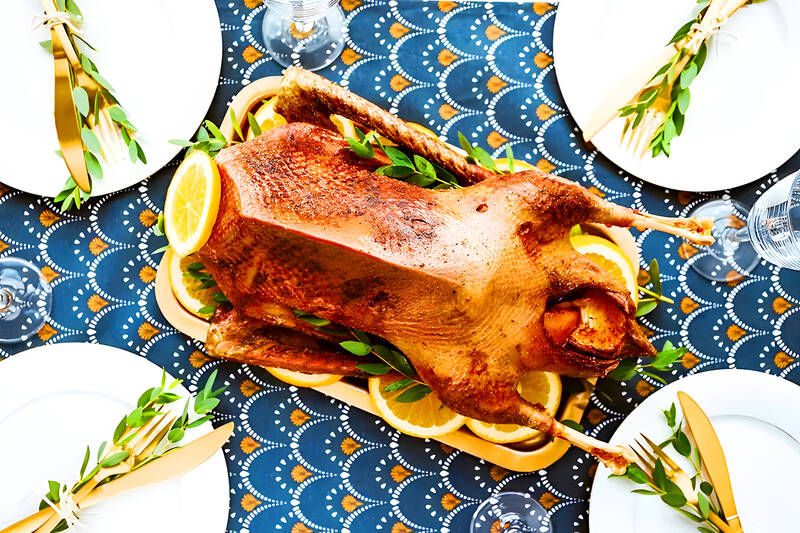
Photo courtesy of The Spruce Eats / 照片:The Spruce Eats 提供
This Christmas, why not switch things up? Try roasting a goose for your holiday feast. You might even discover a new favorite dish. After all, the magic of Christmas is all about creating memorable moments with loved ones over delightful food.
當聖誕頌歌響徹空中,明亮的燈飾點綴著街道,傳統和美味的佳餚隨處可見。雖然火雞通常最吸引眾人目光,但它並非是唯一好吃的家禽。讓我們來了解一下另一項傳統:聖誕烤鵝。
數個世紀以來,鵝因其與秋冬節日的一致性而受到青睞。在收穫季節結束後,鵝會盡情享用田裡殘留的散落穀物。因此,鵝在此時處於最肥美、最好吃的狀態,恰好適合即將來臨的節日慶典。據說在西元1588年,當英國伊麗莎白一世女王正享用烤鵝時,聽到了英國戰勝西班牙無敵艦隊的消息。她興高采烈,宣布烤鵝成為一道慶祝用的菜餚,從此烤鵝成為節慶盛宴中不可或缺的一部分。
如今,烤鵝在歐洲的聖誕大餐中仍然扮演著重要的角色。在德國,烤鵝內部會被填滿栗子、蘋果、乾梅、洋蔥和香料。鵝皮抹上海鹽和胡椒,然後整隻鵝被烤至外皮酥脆,內部依然鮮嫩多汁。配上紅甘藍和一種叫做 Knodel 或 Klose 的馬鈴薯丸子,它代表著豐盛的德國聖誕大餐。
今年的聖誕,為什麼不換換口味呢?試試烤一隻鵝來作為你的節日盛宴。也許你會發現一道新的心頭好菜!畢竟,聖誕節的魔力就在於與喜愛的人一同在美食中創造難忘的時刻。
MORE INFORMATION
carol n.(聖誕)頌歌
fowl n. 家禽
alignment n. 一致性
armada n.(大型)艦隊
chestnut n. 栗子;栗樹
crisp adj. 酥脆的
KEY VOCABULARY
1. plentiful adj. 充足的;豐富的
The area’s plentiful sunshine and water make it easy to grow plants there.
該地區充足的陽光和水使得在那裡種植物很容易。
2. seize vt. 抓住;奪取
Robert seized the chance to apply for the newly open management position after William retired.
羅伯特抓住機會申請在威廉退休後新開放的管理職缺。
3. triumph n. 勝利;狂喜
After the soccer team won the World Cup, they threw a party to celebrate their triumph.
這支足球隊贏得世界盃後,他們舉辦了一場派對來慶祝勝利。
4. indispensable adj. 不可或缺的;必須的
The Internet has become an indispensable part of life for most people.
對於多數人來說,網路已經成為生活中不可或缺的一部分。
5. crucial adj. 關鍵的;重要的
Having failed two crucial exams, Morris will probably have to take the class again.
在兩個極為重要的考試不及格後,莫里斯可能要重修這門課。
6. plum n. 梅子;李子
My grandmother likes to make jam with freshly picked plums in the spring.
我奶奶喜歡在春天用新鮮摘下的梅子來做果醬。
7. interior n. 內部;內地
反義:exterior n. 外部;外表
Due to the dim light on the street, I couldn’t see very far into the interior of the old house.
由於這條街上昏暗的燈光,我無法看清老房子的內部。
8. hearty adj. 豐盛的;熱情的
Ian begins the day with a hearty meal; in contrast, Tony skips breakfast altogether.
伊恩以豐盛的一餐開始新的一天;相反地,湯尼完全不吃早餐。
9. memorable adj. 難忘的;值得紀念的
The day Evelyn’s daughter was born was one of the most memorable days of her life.
伊芙琳女兒出生那天是她人生中最難忘的日子之一。
學習音檔: https://magazine.english4u.net/Magdata/menu/3dust
《空中美語》雜誌APP免費下載: https://www.english4u.net/apps/index.aspx
免費收聽當月《空中美語》雜誌課文朗讀及解析 !
文章由AMC空中美語授權使用: https://www.english4u.net
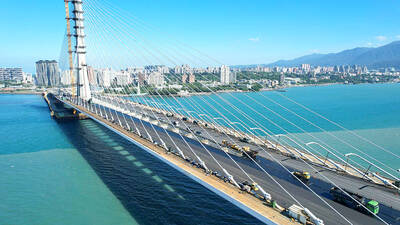
A: The Danjiang Bridge in New Taipei City is to open on May 12, and the MRT Sanying Line (Light Blue Line) will also open in June. Isn’t that great? B: Is that the bridge connecting the city’s Tamsui and Bali Districts? What’s so special about this new landmark spanning the Tamsui River? A: The Danjiang Bridge will become the world’s longest-span single-mast asymmetric cable-stayed bridge — with a total river-crossing section of 920 meters and main span of 450 meters. B: The news says there are sidewalks and bike lanes on both sides. Watching the sunset from the
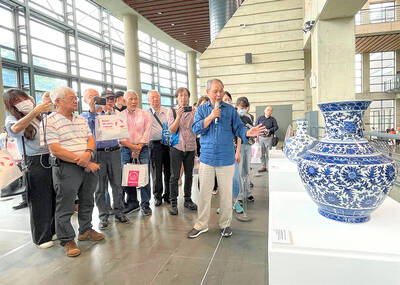
A: Apart from the Danjiang Bridge in New Taipei City, the MRT Sanying Line (Light Blue Line) will open in June. B: Is that the new line leading to Yingge District, the ceramic town? A: Yup, the line will connect the Yingge Ceramics Museum and the Old Streets in Sanxia and Yingge Districts. B: The eastward extension of the Tamsui-Xinyi Line (Red Line) that goes through Taipei’s Xinyi District will also open in June. A: Plus, Taoyuan’s Aerotropolis Line (Green Line) will partially open by the end of the year. In the future, it will connect the

In the dense forests of Tanzania, a young researcher sat quietly among the trees, her gaze fixed on a troop of chimpanzees. It was 1960, and Jane Goodall, armed with nothing but a notebook and endless curiosity, was about to change science forever. Inspired by childhood stories like the Dr. Dolittle series, she had dreamed of Africa — and now, thanks to the encouragement of anthropologist Louis Leakey, she was there, face-to-face with the wild. What Jane discovered shocked the world. Chimpanzees weren’t mere creatures of instinct; they were individuals with emotions, families, and even the capacity for tool
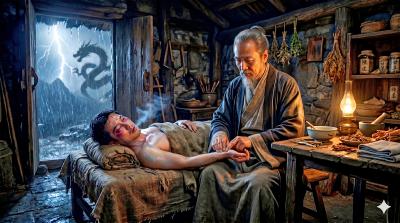
★ Bilingual Story is a fictionalized account. 雙語故事部分內容純屬虛構。 Rain hammered the roof in hard, uneven bursts. “Hold him still!” Baosheng pressed one hand against the stranger’s brow as the man twisted on the wooden bed. His left eye was swollen shut. The right one burned red like a coal. “It feels like fire,” the man gasped. “Like something is clawing inside.” Thunder rolled across the mountain. Baosheng leaned closer. The man’s skin was cold, but heat rose from his face. A strange smell hung in the air. He began the four methods of diagnosis: looking, listening/smelling,


 RSS
RSS