


Italian opera singing has been recognized on a UN cultural heritage list in an acknowledgment of the practice as a “living art form.”
Italian opera made its debut in the late 1500s in Florence and went on to generate many world-renowned composers, from Claudio Monteverdi and Antonio Vivaldi to Gioachino Rossini and Giuseppe Verdi.
UNESCO (United Nations Educational, Scientific and Cultural Organization), the UN’s cultural agency, said Italian opera singing had been granted a place on its intangible cultural heritage list, joining other Italian practices such as the art of pizza-making.
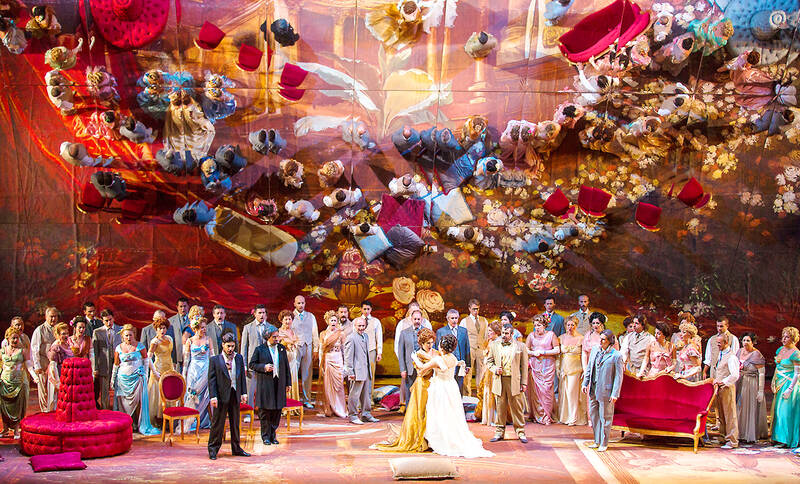
Photo: Khalid AlBusaidi /Wikimedia Commons 照片:Khalid AlBusaidi /維基共享資源
In a statement, UNESCO said: “Italian opera singing is a physiologically controlled way of singing that enhances the carrying power of the voice in acoustic spaces such as auditoriums, amphitheaters, arenas and churches.
“Performed by people of all genders, it is associated with specific facial expressions and body gestures and involves a combination of music, drama, acting and staging.”
UNESCO described it as “a means of free expression and intergenerational dialogue,” with its cultural value “recognized at national and international levels.”
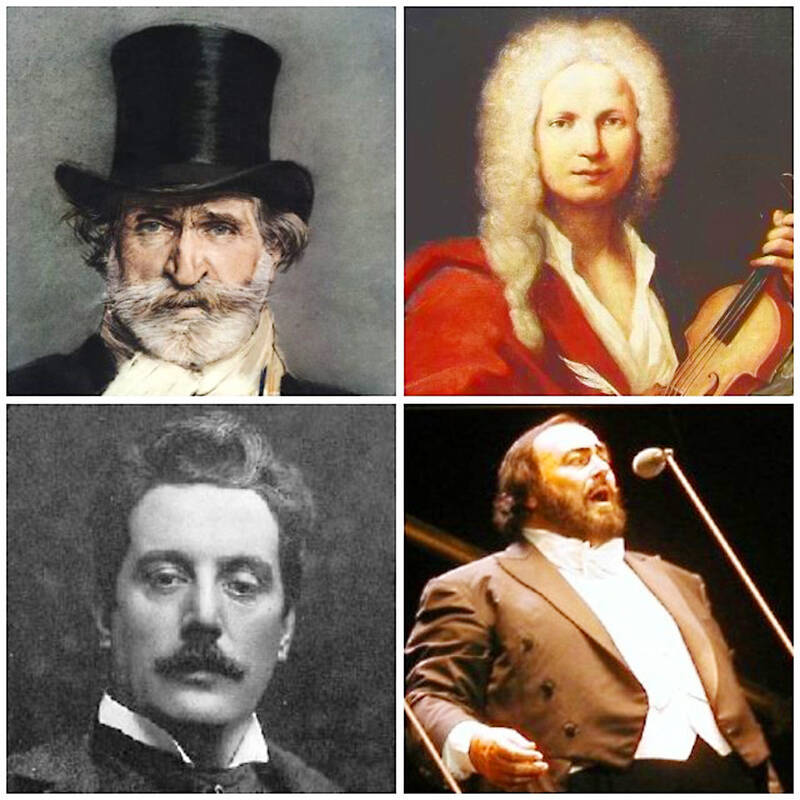
Photo: Wikimedia Commons 照片:維基共享資源
Italy’s cultural minister, Gennaro Sangiuliano, told Rai radio that the decision was “something historic … and a great recognition of bel canto [beautiful singing].”
Beatrice Venezi, a music adviser to the culture minister, said the UNESCO inclusion “makes us proud as an opera community and as Italians – this living art form is a fundamental pillar of our culture.”
The first opera in Italy is considered to be Jacopo Peri’s Dafne, performed in Florence in 1598 for the court of the Medici family.
Verdi was the greatest Italian composer of the 19th century, giving the world operas including Rigoletto, La Traviata and Otello.
The UNESCO recognition came as Milan’s prestigious La Scala theater kicked off opera season last Wednesday night with Verdi’s Don Carlo.
Other Italian practices with a coveted place on the intangible cultural heritage list include Sardinian tenor singing, the art of the Mediterranean diet and the art of glass beads. An attempt to get Italian espresso coffee on the list last year was snubbed by Italy’s UNESCO commission.
Coldiretti, Italy’s biggest agricultural association, is now pushing for Italian cooking to be the country’s next candidate. “Italian catering is the most widespread and appreciated in the world,” the association said, with the US home to the largest number of Italian restaurants outside Italy.
(The Guardian)
義大利歌劇演唱已被列為聯合國文化遺產,被認為是一種「活的藝術形式」。
義大利歌劇首次出現是在1500年代末的佛羅倫斯,產生了許多世界知名的作曲家,從克勞迪奧‧蒙台威爾第和安東尼奧‧韋瓦第,到喬奇諾‧羅西尼與朱塞佩‧威爾第。
聯合國教科文組織表示,義大利歌劇演唱已被收錄為非物質文化遺產,與披薩製作藝術等其他義大利文化並列。
聯合國教科文組織在聲明中表示:「義大利歌劇演唱是一種以生理控制的歌唱方式,可以讓聲音在禮堂、露天劇場、競技場與教堂等聲學空間更有力量」。
「演出的人有各種性別,以特定的臉部表情與身體動作表演,結合了音樂、戲劇、演技與舞台」。
聯合國教科文組織將歌劇演唱描述為「自由表達與代際對話的一種方式」,其文化價值「在國家與國際層面得到肯定」。
義大利文化部長詹納羅.桑朱利亞諾對義大利廣播電視公司電台表示,這項決定「具有歷史意義……也是對美聲唱法的高度肯定」。
文化部長音樂顧問貝緹麗彩‧維涅奇表示,義大利歌劇演唱被教科文組織列為文化遺產,「讓我們身為歌劇人與義大利人感到自豪——這種活生生的藝術形式是我們文化的基本支柱」。
義大利第一部歌劇被認為是雅各布.佩里的《達芙妮》,1598年在佛羅倫斯為麥第奇家族宮廷演出。
威爾第是19世紀最偉大的義大利作曲家,為世人帶來了《弄臣》、《茶花女》、《奧泰羅》等歌劇。
在義大利歌劇演唱獲教科文組織肯定之際,米蘭著名的史卡拉歌劇院上週三晚間以威爾第的《唐卡洛》揭開了歌劇季的序幕。
其他在非物質文化遺產名錄中佔有一席之地的義大利文化包括薩丁尼亞島男高音歌唱、地中海飲食藝術以及玻璃珠藝術。去年,義大利曾申請將義大利濃縮咖啡列為非物質文化遺產,但未能成功。
義大利最大的農會組織「農牧協會」目前正推動將義大利烹飪列入非物質文化遺產。該協會表示,「義大利餐飲是世界上最普遍、最受讚賞的」,美國是義大利以外義大利餐廳數量最多的國家。
(台北時報林俐凱編譯)
Many consumers are guilty of filling drawers or closets with old laptops, cellphones, fitness trackers and other electronic devices once they are no longer needed. It’s hard to know where to recycle such items, or it seems costly and inconvenient to do so. The world generates millions of tons of electronic waste — also called e-waste — each year. According to the UN’s most recent estimate, people worldwide produced 62 million metric tons of e-waste in 2022, and only about 22 percent of it was properly recycled. The US’ Environmental Protection Agency estimates that less than a quarter of e-waste is

You’re sitting in class when a classmate asks to borrow a pencil. It seems like a small favor, so you agree without hesitation. The following week, the same classmate asks to share your notes. Later, they request help with a group project. You agree each time — after all, you helped out the first time — but before you know it, it has become automatic. This scenario demonstrates the “foot-in-the-door technique,” a psychological concept that shows how agreeing to small, acceptable demands makes it easier to accept larger ones later on. The name for this strategy comes from door-to-door

Continued from yesterday(延續自昨日) https://www.taipeitimes.com/News/lang Gig Tripping “Gig tripping” combines concerts with travel. People fly to see their favorite artists perform — usually abroad—and spend a few days sightseeing before or after the show. While die-hard fans have done this since the 1960s, the post-pandemic travel boom changed the game. Even people who aren’t superfans are now booking international concert trips because they want to make the most of travel opportunities. This trend exploded in the US, as the math makes sense. Domestic concert tickets are so costly that flying abroad for the show plus tourism expenses often matches or even beats the price
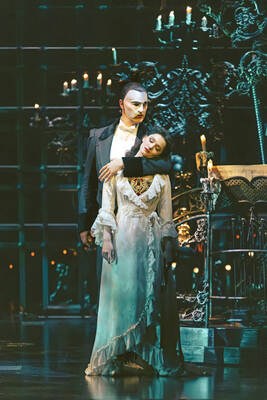
A: The four-day Tomb Sweeping Day long weekend begins Friday and will run until Monday. Are you going to sweep your ancestors’ tombs? B: I did in advance last weekend, so I can go to Kaohsiung to see the musical “The Phantom of the Opera.” A: Wow, is “Phantom” touring Taiwan again? It debuted in 1986, so this year marks the 40th anniversary of the show. B: And it’s not just touring Kaohsiung starting March 31, but also Taipei starting April 21 and Taichung starting May 26. A: “Phantom” is one of the world’s Four Major Musicals. I’ve seen all of them, except “Les


 RSS
RSS