


Have you ever wondered about the colorful and expressive masks you’ve seen in photos of Korean festivals? Let us introduce you to the fascinating world of Talchum, Korea’s traditional mask dance! This lively art form blends storytelling, music, and dance, offering a glimpse into Korean history and culture.
Originating in the Three Kingdoms period, Talchum was initially a simple ritual for establishing a connection with the gods. Performers wore elaborately designed masks crafted from wood or paper, as they danced to the rhythm of traditional percussion instruments and conveyed their wishes to the gods. Over time, Talchum evolved into a social satire during the Joseon era. Hidden behind their masks, performers were free to express opinions on social issues. In this way, Talchum mirrored the common people’s resentment toward the upper classes and Korea’s social system.
The contemporary mask dance preserves its satirical components. The masks represent various characters, such as nobles, scholars, and ordinary people, each with unique facial expressions and personalities. A diverse range of themes feature in the performances, including criticism of monks who neglect their principles and the conflict between a married couple. Through humor and exaggerated movements, Talchum delivers powerful messages that resonate with audiences of all ages.
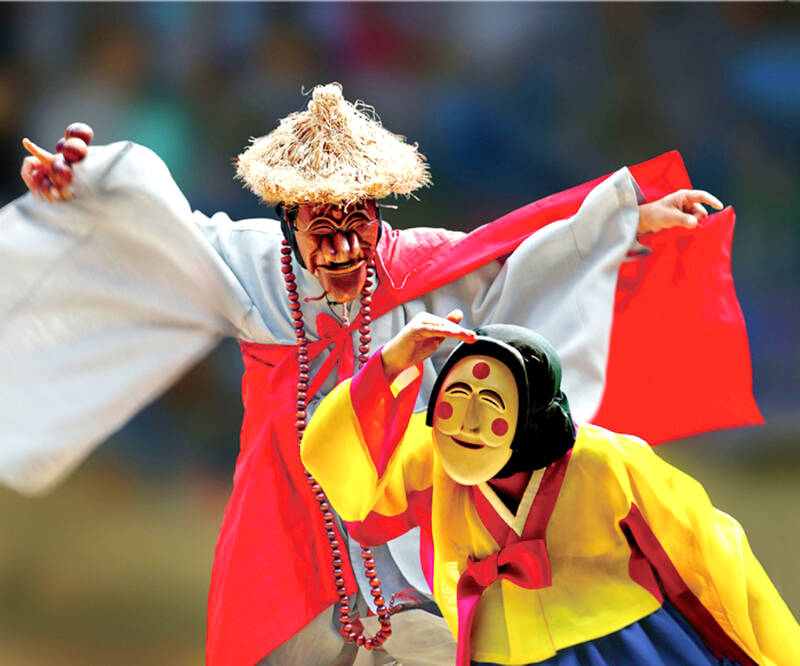
Photo courtesy of Wikimedia Commons / 照片:維基共享資源提供
Talchum has been passed down through generations and is still widely enjoyed today. So, if you visit Korea, why not enjoy this beautiful aspect of the culture? Don’t just stand on the sidelines; let the rhythmic beats and dynamic movements of Talchum sweep you off your feet!
你是否曾對於在韓國節慶的照片中所見色彩繽紛且表情豐富的面具感到好奇?讓我們向你介紹韓國傳統面具舞蹈──Talchum(假面舞)的迷人世界!這種活力四射的藝術形式融合了故事、音樂和舞蹈,讓你一窺韓國的歷史和文化。
假面舞起源於三國時期,最初是一種與神靈建立聯繫的簡單儀式。表演者戴著精心設計的木頭或紙製的面具,隨著傳統打擊樂器的節奏舞動,向神靈表達他們的祈願。隨著時間的推移,假面舞在朝鮮時代演變成一種社會諷刺手段。表演者隱藏在面具後面,可以自由地表達對社會問題的意見。藉由這種方式,假面舞反映了庶民對上層階級和韓國社會體系的不滿。
現代的面具舞保留其諷刺元素。面具代表了各種角色,如貴族、學者和平民,每個角色都有獨特的臉部表情和個性。表演中呈現各種主題,包含對忽視自身原則僧侶的批評和夫妻之間的衝突。藉由幽默和誇張的動作,假面舞傳達出與各年齡層觀眾共鳴的強烈訊息。
假面舞世代相傳,至今仍然廣受喜愛。所以,如果你遊覽韓國,何不享受一下這個文化美麗的一面?別只是站在一旁,讓假面舞的節奏和動感的舞蹈使你神魂顛倒!
MORE INFORMATION
originate v. 起源;開創
percussion n. 打擊樂器
satire n. 諷刺;諷刺作品
Joseon era 朝鮮時代
resentment n. 憤慨;怨恨
satirical adj. 諷刺的
resonate vi. 產生共鳴;瀰漫(某種特質)
KEY VOCABULARY
1. glimpse n. 一瞥;短暫的感受
I caught a glimpse of the beautiful sunset before it disappeared behind the mountains.
我在太陽消失在山後之前瞥見了美麗的日落。
2. elaborately adv. 精巧地;精心製作地
Cathy decorated the wedding venue elaborately with flowers and elegant decorations.
凱西用花朵和優雅的裝飾精心佈置婚禮場地。
3. rhythm n. 節奏;律動;規律 / rhythmic adj. 有節奏的;有規律的
The music has a catchy rhythm that makes me want to dance.
這首歌有著動聽易記的節奏,讓我想隨之舞動。
4. evolve v. 逐漸發展;演變
Technology has evolved rapidly, transforming the way we live and work.
科技迅速發展,改變了我們的生活和工作方式。
5. contemporary adj. 當代的;同時期的
Contemporary literature often reflects the social issues and concerns of the present time.
當代文學時常反映出當今的社會議題和關注點。
6. noble n. 貴族
In the medieval period, the nobles had certain privileges not available to commoners.
在中世紀時期,貴族享有一些平民無法獲得的特權。
7. criticism n. 批評;評論
Constructive criticism is helpful for personal growth and improvement in various areas.
建設性的批評有助於個人成長和各種領域的改進。
8. dynamic adj. 充滿活力的;思維活躍的
The dynamic performance of the band energized the crowd and got everyone dancing.
這個樂團充滿活力的演出激發了觀眾的熱情,大家紛紛跳起舞來。
9. exaggerate v. 誇大;誇張
Nathan tends to exaggerate his achievements to impress others.
納森習慣誇大自己的成就來讓人留下深刻印象。
學習音檔: https://magazine.english4u.net/Magdata/menu/sz6py
《空中美語》雜誌APP免費下載: https://www.english4u.net/apps/index.aspx
免費收聽當月《空中美語》雜誌課文朗讀及解析 !
文章由AMC空中美語授權使用: https://www.english4u.net

Many consumers are guilty of filling drawers or closets with old laptops, cellphones, fitness trackers and other electronic devices once they are no longer needed. It’s hard to know where to recycle such items, or it seems costly and inconvenient to do so. The world generates millions of tons of electronic waste — also called e-waste — each year. According to the UN’s most recent estimate, people worldwide produced 62 million metric tons of e-waste in 2022, and only about 22 percent of it was properly recycled. The US’ Environmental Protection Agency estimates that less than a quarter of e-waste is
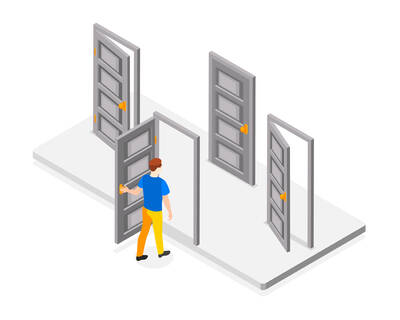
You’re sitting in class when a classmate asks to borrow a pencil. It seems like a small favor, so you agree without hesitation. The following week, the same classmate asks to share your notes. Later, they request help with a group project. You agree each time — after all, you helped out the first time — but before you know it, it has become automatic. This scenario demonstrates the “foot-in-the-door technique,” a psychological concept that shows how agreeing to small, acceptable demands makes it easier to accept larger ones later on. The name for this strategy comes from door-to-door
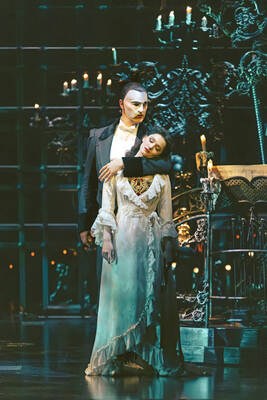
A: The four-day Tomb Sweeping Day long weekend begins Friday and will run until Monday. Are you going to sweep your ancestors’ tombs? B: I did in advance last weekend, so I can go to Kaohsiung to see the musical “The Phantom of the Opera.” A: Wow, is “Phantom” touring Taiwan again? It debuted in 1986, so this year marks the 40th anniversary of the show. B: And it’s not just touring Kaohsiung starting March 31, but also Taipei starting April 21 and Taichung starting May 26. A: “Phantom” is one of the world’s Four Major Musicals. I’ve seen all of them, except “Les

對話 Dialogue 清清:這禮拜又有連假了,這次一共放四天。 Qīngqing: Zhè lǐbài yòu yǒu liánjià le, zhè cì yígòng fàng sì tiān. 華華:你是要過兒童節還是清明節? Huáhua: Nǐ shì yào guò Értóng jié háishì Qīngmíng jié? 清清:都要過啊!不管幾歲,都要有童心,才能永遠都年輕,知道嗎? Qīngqing: Dōu yào guò a! Bùguǎn jǐ suì, dōu yào yǒu tóngxīn, cái néng yǒngyuǎn dōu niánqīng, zhīdào ma? 華華:好啦!能當個長不大的孩子也好,就不會有那麼多煩惱了。 Huáhua: Hǎo la! Néng dāng ge zhǎngbúdà de háizi yě hǎo, jiù bú huì yǒu nàme duō fánnǎo le. 清清:還好春天有這兩個節假日,常常可以變成連假休息一下。 Qīngqing: Háihǎo chūntiān yǒu zhè liǎng ge jiéjiàrì, chángcháng kěyǐ biànchéng liánjià xiūxi yíxià. 華華:對啊!上禮拜我已經先跟家人去掃墓了,就怕清明節當天人太多。 Huáhua: Duì a! Shàng lǐbài wǒ yǐjīng xiān gēn jiārén qù sǎomù le, jiù pà Qīngmíng jié dāngtiān rén tài duō. 清清:親人雖然過世了,但有清明節掃墓的習俗,讓我們在不同的世界還是能「聚」一下、說說話,真的很有意義。 Qīngqing: Qīnrén suīrán guòshì le, dàn yǒu Qīngmíng jié


 RSS
RSS