


It’s summer, and swimming is a great way to cool off. Before you take a dip, though, you’ll need a swimming outfit. Let’s take a look at the history of swimsuits and how the bikini was born.
Women wore two-piece suits for sports in ancient Roman times, as shown in fourth-century mosaics. However, swimming for recreation didn’t begin until the 19th century, and swimming costumes were modest and conservative. As time passed, swimsuits got smaller, with Hollywood movie stars wearing two-piece bathing suits by the 1930s. Strictly speaking, these still weren’t bikinis, as they offered navel coverage.
After World War II, the world was in the midst of a fabric shortage. In 1946, two French fashion designers, Louis Reard and Jacques Heim, had a competition to sew the world’s smallest swimsuit. At that time, nuclear bomb testing had just happened at the Bikini Atoll, a ring of Pacific islands. So, both designers named their creations after the new atomic age. Reard’s “bikini” beat Heim’s “atome.”

Photo courtesy of Freepik / 照片:Freepik提供
However, only an exotic dancer was willing to model the bikini at a press event. It immediately caused a scandal. Bikinis were quickly banned by countries that found them offensive. Later, they caught on when French actress Brigitte Bardot wore them in films. By the 1960s, pop culture made the bikini mainstream. Young actress Annette Funicello wore bikinis in numerous family-friendly 1960s Disney beach party movies. This prompted more women to purchase bikinis, and they became a trend.
Even today, the amount of skin exposed by a bikini is controversial in some places. Fortunately, we have many swimsuit options nowadays, so choose the one you feel comfortable wearing.
夏天到了,游泳是消暑的好方法。不過,在你下水游泳之前,你會需要一套泳裝。讓我們來看看泳裝的歷史以及比基尼是如何誕生的。
在古羅馬時代,女性穿著用於運動的兩件式服裝,如西元4世紀的馬賽克鑲嵌畫所示。然而,直至西元19世紀,游泳才開始以娛樂為目的,而這時的泳裝既端莊又保守。隨著時間的推移,泳裝變得越來越小,到了西元1930年代好萊塢的電影明星開始穿著兩件式泳裝。嚴格來說,這些泳裝還不算比基尼,因為它們能遮住肚臍。
第二次世界大戰後,全球正面臨布料短缺的困境。西元1946年,兩位法國時裝設計師路易斯雷德和雅克海姆舉辦了一場縫製世界上最小泳裝的比賽。當時,核彈試爆剛剛在比基尼環礁這個太平洋島群的環狀堡礁進行。因此,兩位設計師都以新的原子時代來命名他們的作品。雷德的「比基尼」擊敗了海姆的「原子」。
然而,只有一位脫衣舞者願意在記者會上為比基尼當模特兒。它隨即引爆了醜聞。比基尼被多個國家視為具有冒犯性並迅速下令禁止。後來,當法國女演員碧姬芭杜在電影中穿著比基尼時,比基尼才逐漸掀起流行。到了西元1960年代,流行文化使比基尼成為主流。年輕女演員安妮特弗奈斯洛在西元1960年代眾多適合家庭觀看的迪士尼海灘派對電影中穿著比基尼。這促使更多女性購買比基尼,成為一種趨勢。
即使在今天,比基尼裸露的程度在某些地方仍存在爭議。幸運的是,現在我們有很多泳裝可供選擇,所以請選擇讓你覺得穿著舒適的那一款。
MORE INFORMATION
mosaic n. 馬賽克(畫);鑲嵌畫
navel n. 肚臍
atoll n. 環礁;環狀珊瑚島
Pacific adj. 太平洋的
exotic dancer 脫衣舞者
KEY VOCABULARY
1. recreation n. 娛樂;消遣;再現/creation n. 作品;創建
Playing board games with friends is a popular form of indoor recreation.
玩棋盤遊戲是與朋友一起進行室內娛樂的一種熱門方式。
2. modest adj. 端莊的;謙虛的;適中的
Britney dressed in a modest blouse and skirt for the interview.
布蘭妮穿著端莊的襯衫和裙子去面試。
3. shortage n. 短缺
The recent drought has led to a shortage of crops. 最近的乾旱導致農作物短缺。
4. sew v. 縫製(三態:sew-sewed-sewed / sewn)
I’m going to sew a patch onto my backpack to cover up the hole. 我要在我的背包上縫一塊補釘來蓋住這個破洞。
5. nuclear adj. 核能的;原子核的/nuclear bomb 核彈
Nuclear power plants can be dangerous, and many think they should be shut down.
核能發電廠可能造成危險,許多人認為應該將它們關閉。
6. atomic adj. 原子的;原子能的
The atomic structure of an element determines its chemical properties. 一個元素的原子結構決定了它的化學性質。
7. scandal n. 醜聞;恥辱
The mayor was involved in a major scandal that damaged his reputation.
這位市長卷入一起重大的醜聞,損害了他的聲譽。
8. offensive adj. 冒犯的;攻擊的
The comedian’s joke was considered offensive by many members of the audience.
這位喜劇演員的笑話被許多觀眾認為是冒犯性的。
9. controversial adj. 有爭議的
The politician’s controversial comments about immigration sparked a heated debate.
那名政客關於移民的爭議評論引發了一場激烈的辯論。
學習音檔: https://magazine.english4u.net/Magdata/menu/qg3ey
《空中美語》雜誌APP免費下載: https://www.english4u.net/apps/index.aspx
免費收聽當月《空中美語》雜誌課文朗讀及解析 !
文章由AMC空中美語授權使用: https://www.english4u.net
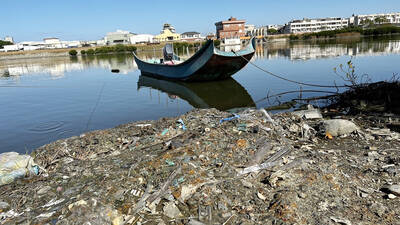
Many consumers are guilty of filling drawers or closets with old laptops, cellphones, fitness trackers and other electronic devices once they are no longer needed. It’s hard to know where to recycle such items, or it seems costly and inconvenient to do so. The world generates millions of tons of electronic waste — also called e-waste — each year. According to the UN’s most recent estimate, people worldwide produced 62 million metric tons of e-waste in 2022, and only about 22 percent of it was properly recycled. The US’ Environmental Protection Agency estimates that less than a quarter of e-waste is
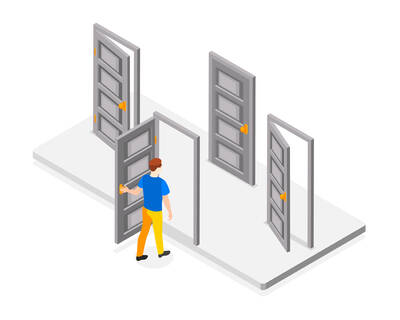
You’re sitting in class when a classmate asks to borrow a pencil. It seems like a small favor, so you agree without hesitation. The following week, the same classmate asks to share your notes. Later, they request help with a group project. You agree each time — after all, you helped out the first time — but before you know it, it has become automatic. This scenario demonstrates the “foot-in-the-door technique,” a psychological concept that shows how agreeing to small, acceptable demands makes it easier to accept larger ones later on. The name for this strategy comes from door-to-door

A: The four-day Tomb Sweeping Day long weekend begins Friday and will run until Monday. Are you going to sweep your ancestors’ tombs? B: I did in advance last weekend, so I can go to Kaohsiung to see the musical “The Phantom of the Opera.” A: Wow, is “Phantom” touring Taiwan again? It debuted in 1986, so this year marks the 40th anniversary of the show. B: And it’s not just touring Kaohsiung starting March 31, but also Taipei starting April 21 and Taichung starting May 26. A: “Phantom” is one of the world’s Four Major Musicals. I’ve seen all of them, except “Les
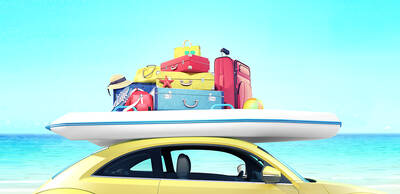
Dos & Don’ts — 想想看,這句話英語該怎麼說? 1. 我們很早到達電影院。 ˇ We arrived at the theater very early. χ We arrived the theater very early. 註︰arrive 為不及物動詞,後面如果有受詞要用 at 或 in。例如:They arrived in Taipei yesterday.。一般大地方,如國家、省、大城市等前面用 in,凡小地方城鎮、學校等則用 at。 2. 開車半小時以後,我們到達了海灘。 ˇ After half an hour’s drive, we got to the beach. χ After half an hour’s drive, we got the beach. 註︰come, go, get(來、去、到達)某地時,在表示地點的名詞前面應該用 to,如 go to school, go to Taipei, come to Shanghai 等。如果這些動詞後面所跟的是 here, there, home 等副詞,則不用 to。 3. 明天我會回辦公室。 ˇ I will be back in the office tomorrow. χ I will be back to office tomorrow. 註︰to be back 一語裡的 back 是副詞,不是介詞,所以後面要用 at (the market) 或 in (the office)。 假如假期結束,要回學校上課了則可說: ? Kids will be back


 RSS
RSS