


對話 Dialogue
清清:你知道嗎?今年的FIFA國際足總女子世界盃就快要開始了。
Qīngqing: Nǐ zhīdào ma? Jīnnián de FIFA Guójì Zúzǒng Nǚzǐ Shìjièbēi jiù kuàiyào kāishǐle.
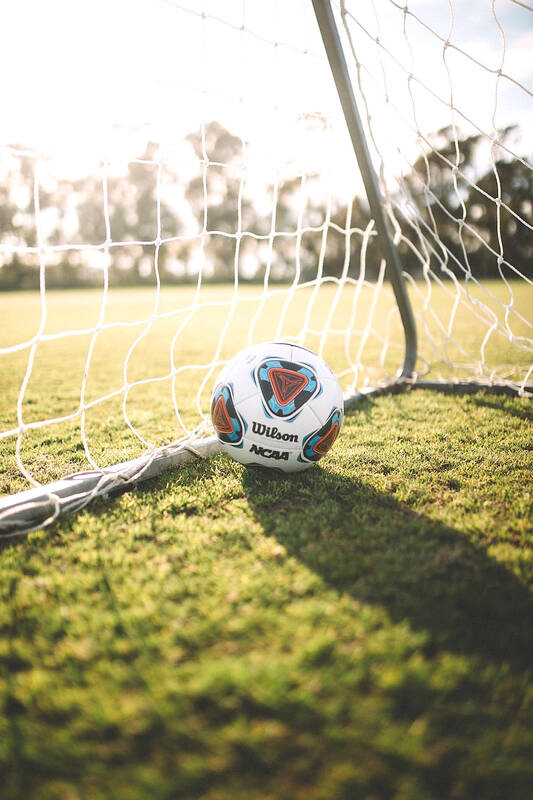
Photo courtesy of Unsplash / 照片:Unsplash 提供
華華:真的嗎?我很喜歡看足球比賽,特別是女子足球。
Huáhua: Zhēnde ma? Wǒ hěn xǐhuān kàn zúqiú bǐsài, tèbié shì nǚzǐ zúqiú.
清清:這次比賽是在澳洲和紐西蘭舉行,會有很多強隊參加。
Qīngqing: Zhècì bǐsài shì zài Àozhōu hànNiǔxīlán jǔxíng, huì yǒu hěnduō qiáng duì cānjiā.
華華:我聽說美國女子足球隊很厲害,這次有沒有她們?
Huáhua: Wǒ tīngshuō Měiguó nǚzǐ zúqiú duì hěn lìhài, zhècì yǒu méiyǒu tāmen?
清清:當然啊!她們是現任的世界冠軍,不參加才怪呢。
Qīngqing: Dāngrán a! Tāmen shì xiànrèn de shìjiè guànjūn, bù cānjiā cáiguài ne.
華華:我已經迫不及待要為我愛的隊伍加油了!
Huáhua: Wǒ yǐjīng pòbùjídài yào wèi wǒ ài de duìwǔ jiāyóule!
翻譯 Translation
Qingqing: Did you know that this year’s FIFA Women’s World Cup is about to begin?
Huahua: Really? I love watching soccer games, especially women’s soccer.
Qingqing: Yes! The tournament will be held in Australia and New Zealand, and there will be many strong teams participating.
Huahua: I heard that the US women’s soccer team is very good, are they in the tournament this time?
Qingqing: Of course. They are the current world champions, it would be strange if they didn’t participate.
Huahua: I can’t wait to cheer for my favorite team!
生詞 Vocabulary
1. 國際 (guójì) international
2. 世界盃 (Shìjièbēi) World Cup
3. 足球 (zúqiú) soccer
4. 強 (qiáng) to be strong
5. 現任 (xiànrèn) current
6. 冠軍 (guànjūn) champion
7. 才怪 (cáiguài) It would be really strange if…
8. 迫不及待 (pòbùjídài) can’t wait
教材音檔 Audio Files
國立清華大學華語中心提供
By National Tsing Hua University Chinese Language Center:
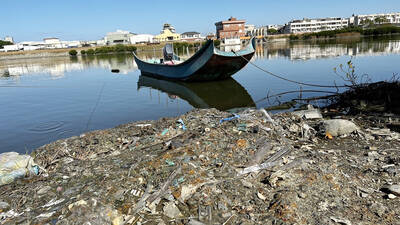
Many consumers are guilty of filling drawers or closets with old laptops, cellphones, fitness trackers and other electronic devices once they are no longer needed. It’s hard to know where to recycle such items, or it seems costly and inconvenient to do so. The world generates millions of tons of electronic waste — also called e-waste — each year. According to the UN’s most recent estimate, people worldwide produced 62 million metric tons of e-waste in 2022, and only about 22 percent of it was properly recycled. The US’ Environmental Protection Agency estimates that less than a quarter of e-waste is
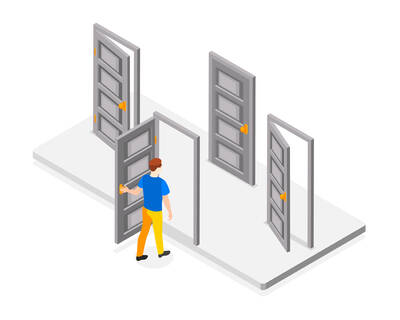
You’re sitting in class when a classmate asks to borrow a pencil. It seems like a small favor, so you agree without hesitation. The following week, the same classmate asks to share your notes. Later, they request help with a group project. You agree each time — after all, you helped out the first time — but before you know it, it has become automatic. This scenario demonstrates the “foot-in-the-door technique,” a psychological concept that shows how agreeing to small, acceptable demands makes it easier to accept larger ones later on. The name for this strategy comes from door-to-door

A: The four-day Tomb Sweeping Day long weekend begins Friday and will run until Monday. Are you going to sweep your ancestors’ tombs? B: I did in advance last weekend, so I can go to Kaohsiung to see the musical “The Phantom of the Opera.” A: Wow, is “Phantom” touring Taiwan again? It debuted in 1986, so this year marks the 40th anniversary of the show. B: And it’s not just touring Kaohsiung starting March 31, but also Taipei starting April 21 and Taichung starting May 26. A: “Phantom” is one of the world’s Four Major Musicals. I’ve seen all of them, except “Les

Dos & Don’ts — 想想看,這句話英語該怎麼說? 1. 我們很早到達電影院。 ˇ We arrived at the theater very early. χ We arrived the theater very early. 註︰arrive 為不及物動詞,後面如果有受詞要用 at 或 in。例如:They arrived in Taipei yesterday.。一般大地方,如國家、省、大城市等前面用 in,凡小地方城鎮、學校等則用 at。 2. 開車半小時以後,我們到達了海灘。 ˇ After half an hour’s drive, we got to the beach. χ After half an hour’s drive, we got the beach. 註︰come, go, get(來、去、到達)某地時,在表示地點的名詞前面應該用 to,如 go to school, go to Taipei, come to Shanghai 等。如果這些動詞後面所跟的是 here, there, home 等副詞,則不用 to。 3. 明天我會回辦公室。 ˇ I will be back in the office tomorrow. χ I will be back to office tomorrow. 註︰to be back 一語裡的 back 是副詞,不是介詞,所以後面要用 at (the market) 或 in (the office)。 假如假期結束,要回學校上課了則可說: ? Kids will be back


 RSS
RSS