


Hugging is a gesture found in every corner of the globe. Hugs are used in greetings and goodbyes, as well as communicating feelings such as love, happiness, and gratitude. However, hugs have become a source of anxiety and potential infection in the midst of the pandemic. Friendly hugs and handshakes have been replaced with video calls and social distancing. We are used to being close to our family and hugging our friends, and this absence of physical contact has had a profound effect on many people.
From the day we are born, we all require touch. A lack of physical touch during early childhood has been shown to harm the psychological development of children, resulting in trauma and mental health issues as they mature. This inherent need to be held and cared for follows us throughout our entire lives. Hugging is a fundamental way for us to receive the physical contact we seek.
Several psychological studies have illustrated the positive effects of hugging. For one thing, it can reduce the production of cortisol, the stress hormone. This can lower anxiety, blood pressure, and heart rate. For another, hugging can increase oxytocin production. Oxytocin is known as the “cuddle hormone” or the “trust hormone” because it makes us feel emotional warmth, trust, and devotion to people we are affectionate with. This hormone has also been linked to reductions in pain, fatigue, and depression. In this way, hugs increase our happiness by strengthening our relationships.

Photo courtesy of Freepik / 照片:Freepik 提供
Throughout the pandemic, many countries went into lockdown, where physical contact was discouraged or totally forbidden. This was necessary, of course, in order to eliminate the spread of COVID-19, but these periods of isolation have highlighted our need to connect with other people through touch. Hopefully, as vaccines are deployed and restrictions are eased, we can restore our previous hugging habits.
擁抱是一種在全球每個角落都能發現的動作。擁抱用於問候和告別,以及表達愛、喜悅和感激等情感。然而,在疫情期間,擁抱已成為焦慮及潛在傳染的來源。友善的擁抱和握手已被視訊通話與保持社交距離所取代。我們習慣與家人親近、擁抱朋友,缺乏身體接觸對許多人產生了深遠的影響。
從我們出生的那天起,我們都需要接觸。兒童早期缺乏身體接觸已被證明會損害兒童的心理發展,導致他們發育成熟後的創傷和心理健康問題。這種與生俱來被抱著及被照顧的需求會伴隨著我們一生。擁抱是我們得到所尋求之身體接觸的基本方式。
一些心理學研究已經說明了擁抱的正面作用。一方面,它可以減少壓力荷爾蒙皮質醇的產生。這可以降低焦慮、血壓和心率。另一方面,擁抱可以增加催產素的產生。催產素被稱為「擁抱荷爾蒙」或「信任荷爾蒙」,因為它讓我們感到情感溫暖、信任和對我們所深愛之人的忠誠。這種荷爾蒙還與減輕痛苦、疲勞和憂鬱有關。這樣一來,擁抱藉由增強我們的人際關係來增進我們的幸福感。
在整個疫情期間,許多國家都進入封鎖狀態,不鼓勵或完全禁止身體接觸。當然,為了消除新冠肺炎的傳播,這是必要的,但這些隔離時期突顯了我們透過接觸與其他人聯繫的需求。希望隨著疫苗發揮作用和限制放寬,我們可以恢復以往的擁抱習慣。
cortisol n. 皮質醇
hormone n. 荷爾蒙
oxytocin n. 催產素
cuddle v. 擁抱;摟抱
lockdown n. 封鎖
deploy v. 發揮作用;有效運用
KEY VOCABULARY
1. gratitude n. 感激;感謝
I’d like to take this opportunity to express my gratitude for everything that you’ve done for me.
我想利用這次機會對你為我做的所有事情表示感謝。
2. anxiety n. 焦慮;不安
The anxiety in Sam’s face was obvious as the teacher approached him with yet more homework.
當老師拿著更多的作業走向山姆時,他的臉上有著明顯的焦慮。
3. infection n. 傳染(病);感染
Gary put some special cream on his cut to make sure he didn’t get an infection.
蓋瑞在傷口上塗特製藥膏以確保不會受到感染。
4. in the midst of 在…之中;正當…的時候
Darcy is in the midst of the biggest change of his life, but he’s staying positive.
達西正在經歷人生中最大的變化,但他保持樂觀。
5. trauma n. (心理)創傷
The trauma of growing up during a civil war never left Josie; she still has nightmares about it.
在內戰期間成長的創傷從未離開喬西;她仍會做與這有關的惡夢。
6. strengthen v. 增強;鞏固
Regular exercise will strengthen both your muscles and your bones. 規律的運動能增強你的肌肉和骨骼。
7. eliminate vt. 消除;排除
The peace treaty eliminated any immediate threat of war between the two countries.
這份和平協議排除了這兩國之間所有立即性的戰爭威脅。
8. vaccine n. 疫苗
Fiona has to get a vaccine against yellow fever before she travels to Brazil.
費歐娜在去巴西旅遊前必須先接種黃熱病疫苗。
9. restriction n. 限制;約束
The Taiwanese government put restrictions on who was allowed in the country during the COVID-19 pandemic.
台灣政府在新冠肺炎疫情期間對獲准進入國家的人有所限制。
MORE INFORMATION
cortisol n. 皮質醇
hormone n. 荷爾蒙
oxytocin n. 催產素
cuddle v. 擁抱;摟抱
lockdown n. 封鎖
deploy v. 發揮作用;有效運用
學習音檔: https://magazine.english4u.net/Magdata/menu/lkmpb
《空中美語》雜誌APP免費下載: https://www.english4u.net/apps/index.aspx
免費收聽當月《空中美語》雜誌課文朗讀及解析 !
文章由AMC空中美語授權使用: https://www.english4u.net
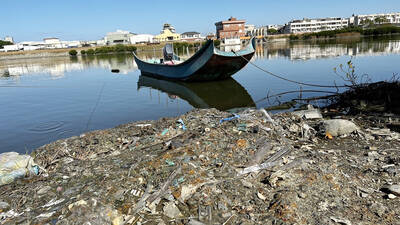
Many consumers are guilty of filling drawers or closets with old laptops, cellphones, fitness trackers and other electronic devices once they are no longer needed. It’s hard to know where to recycle such items, or it seems costly and inconvenient to do so. The world generates millions of tons of electronic waste — also called e-waste — each year. According to the UN’s most recent estimate, people worldwide produced 62 million metric tons of e-waste in 2022, and only about 22 percent of it was properly recycled. The US’ Environmental Protection Agency estimates that less than a quarter of e-waste is
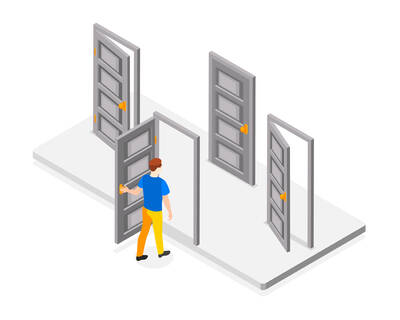
You’re sitting in class when a classmate asks to borrow a pencil. It seems like a small favor, so you agree without hesitation. The following week, the same classmate asks to share your notes. Later, they request help with a group project. You agree each time — after all, you helped out the first time — but before you know it, it has become automatic. This scenario demonstrates the “foot-in-the-door technique,” a psychological concept that shows how agreeing to small, acceptable demands makes it easier to accept larger ones later on. The name for this strategy comes from door-to-door

A: The four-day Tomb Sweeping Day long weekend begins Friday and will run until Monday. Are you going to sweep your ancestors’ tombs? B: I did in advance last weekend, so I can go to Kaohsiung to see the musical “The Phantom of the Opera.” A: Wow, is “Phantom” touring Taiwan again? It debuted in 1986, so this year marks the 40th anniversary of the show. B: And it’s not just touring Kaohsiung starting March 31, but also Taipei starting April 21 and Taichung starting May 26. A: “Phantom” is one of the world’s Four Major Musicals. I’ve seen all of them, except “Les

Dos & Don’ts — 想想看,這句話英語該怎麼說? 1. 我們很早到達電影院。 ˇ We arrived at the theater very early. χ We arrived the theater very early. 註︰arrive 為不及物動詞,後面如果有受詞要用 at 或 in。例如:They arrived in Taipei yesterday.。一般大地方,如國家、省、大城市等前面用 in,凡小地方城鎮、學校等則用 at。 2. 開車半小時以後,我們到達了海灘。 ˇ After half an hour’s drive, we got to the beach. χ After half an hour’s drive, we got the beach. 註︰come, go, get(來、去、到達)某地時,在表示地點的名詞前面應該用 to,如 go to school, go to Taipei, come to Shanghai 等。如果這些動詞後面所跟的是 here, there, home 等副詞,則不用 to。 3. 明天我會回辦公室。 ˇ I will be back in the office tomorrow. χ I will be back to office tomorrow. 註︰to be back 一語裡的 back 是副詞,不是介詞,所以後面要用 at (the market) 或 in (the office)。 假如假期結束,要回學校上課了則可說: ? Kids will be back


 RSS
RSS