


The war in Ukraine has heightened fears about nuclear exposure — and interest in iodine pills that can help protect the body from some radiation. Concerns have grown in recent weeks over periodic power cuts to the Zaporizhzhia nuclear plant that have increased the risk of a meltdown. And threats from Russian President Vladimir Putin that he will use “all means necessary” to win the war in Ukraine has raised the specter of nuclear warfare. Some countries in Europe have started stockpiling the tablets and pharmacies in Finland began to run low on the pills after that country’s health ministry recommended households buy a single dose in case of emergency.
But what are iodine pills? And what can they do — and what can’t they do — in the case of a nuclear leak or attack? Potassium iodide, or KI, offers specific protection against one kind exposure. It prevents the thyroid — a hormone-producing gland in the neck — from picking up radioactive iodine, which can be released into the atmosphere in a nuclear accident. This radioactive material can increase the risk of thyroid cancer if it gets into the body, for example by breathing it in or eating contaminated food. It’s especially dangerous for children, and its health risks can last for many years after exposure, according to the World Health Organization.
Iodine tablets work by filling up the thyroid with a stable version of iodine so that the radioactive kind can’t get in. If the thyroid is already packed with potassium iodide, it won’t be able to pick up the harmful iodine that’s left after a nuclear accident. The pills are cheap and sold all over the world, and many countries, including the US, stockpile them.
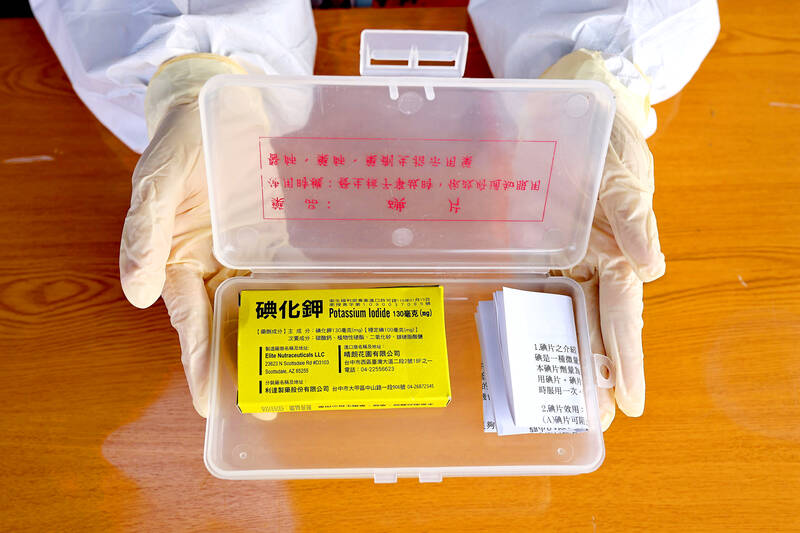
Photo: Reuters 照片:路透
But potassium iodide doesn’t protect against other kinds of radioactive threats. A nuclear bomb, for example, can release many different kinds of radiation and radioactive material that can harm many parts of the body.
Health authorities caution that potassium iodide should only be taken in certain nuclear emergencies, and works best if it’s taken close to the time of exposure. It shouldn’t be taken as a preventive measure ahead of time.
Potassium iodide doses can come with some side effects like rash, inflammation or an upset stomach. Those over 40 years old generally shouldn’t take iodine tablets unless their expected exposure is very high, according to guidelines from the US Food and Drug Administration.
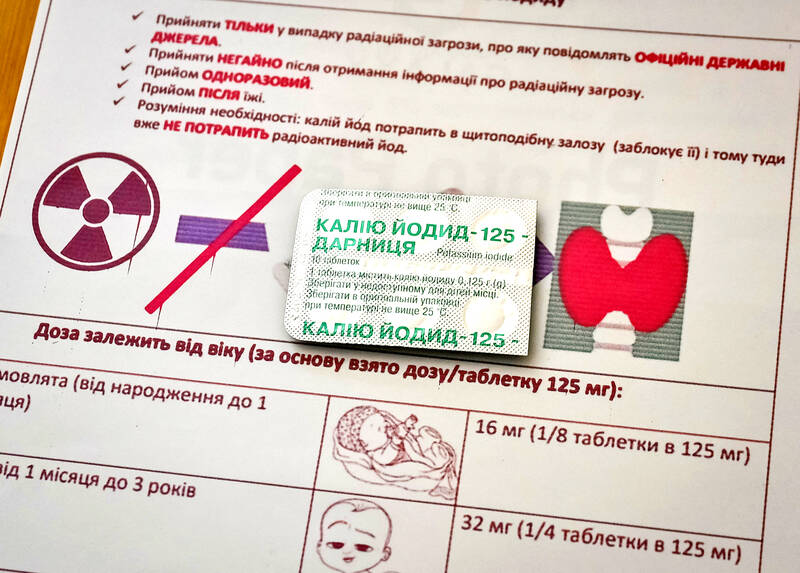
Photo: Reuters 照片:路透
(AP)
烏克蘭戰爭加劇了人們對核輻射的擔憂,也提高了對碘片的興趣——碘片有助保護身體免受輻射影響。近數週來,扎波羅熱核電廠的不時斷電越來越令人擔憂,因其增加了爐心熔毀的風險。且俄國總統弗拉迪米爾.普亭威脅說他將使用「一切必要手段」來打贏烏克蘭戰爭,這引發了核戰爆發的恐慌。歐洲一些國家已開始囤積碘片,芬蘭在衛生部建議家庭購買單劑以因應緊急狀況後,該國藥局開始出現碘片短缺。
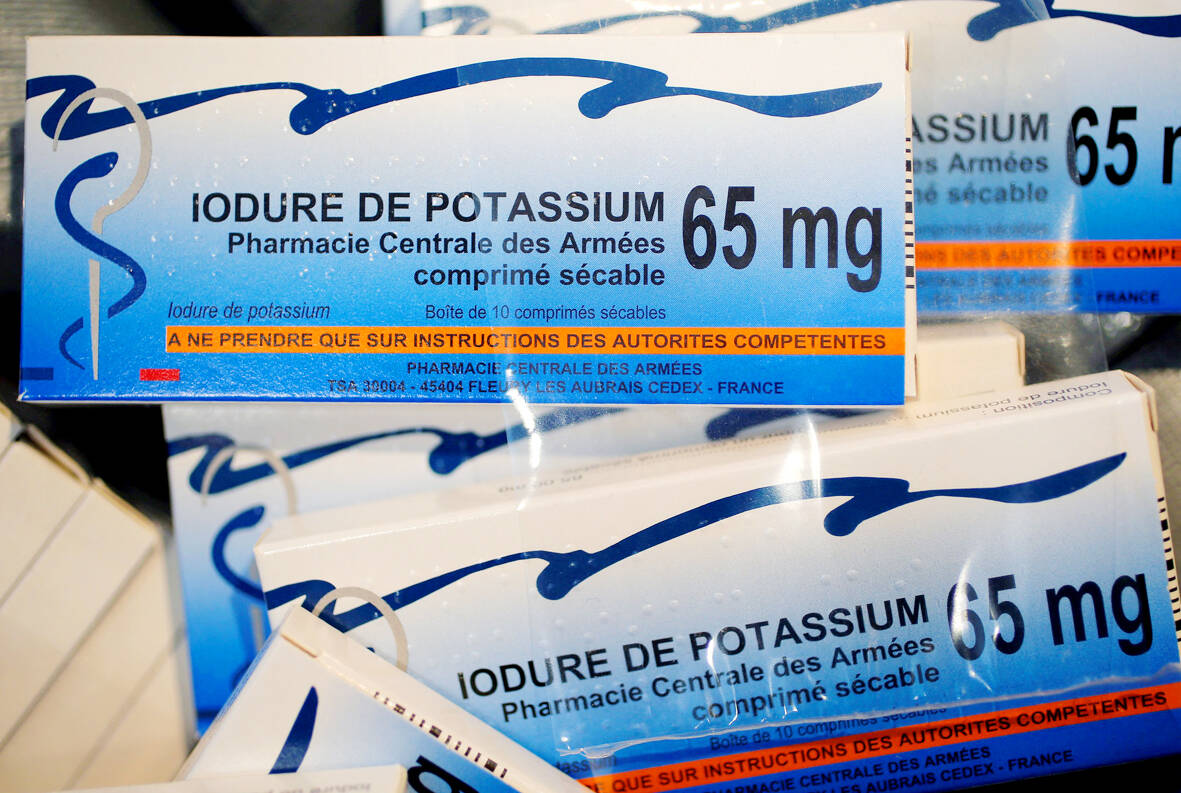
Photo: Reuters 照片:路透
但什麼是碘片?在核外洩或核攻擊的情況下,他們能做什麼——又不能做什麼?碘化鉀(KI)提供針對一種核暴露的特定保護。它可以防止甲狀腺——頸部產生激素的腺體——吸收放射性碘,放射性碘會在核事故中釋放到大氣中。如果這種放射性物質進入體內,例如吸入或食用受污染的食物,會增加患甲狀腺癌的風險。根據世界衛生組織,它對兒童尤其危險,其健康風險在接觸後可持續多年。
碘片的運作原理是用穩定的碘填充甲狀腺,這樣放射性物質便無法進入。若甲狀腺已經充滿了碘化鉀,它就無法吸收之後留下的有害碘核事故。碘片價格便宜,銷往世界各地,包括美國在內的許多國家都有庫存。
但是碘化鉀並不能防止其他種類的放射性威脅。例如,核彈可以釋放出許多不同種類的輻射和放射性物質,這些輻射和放射性物質會傷害身體的許多部位。
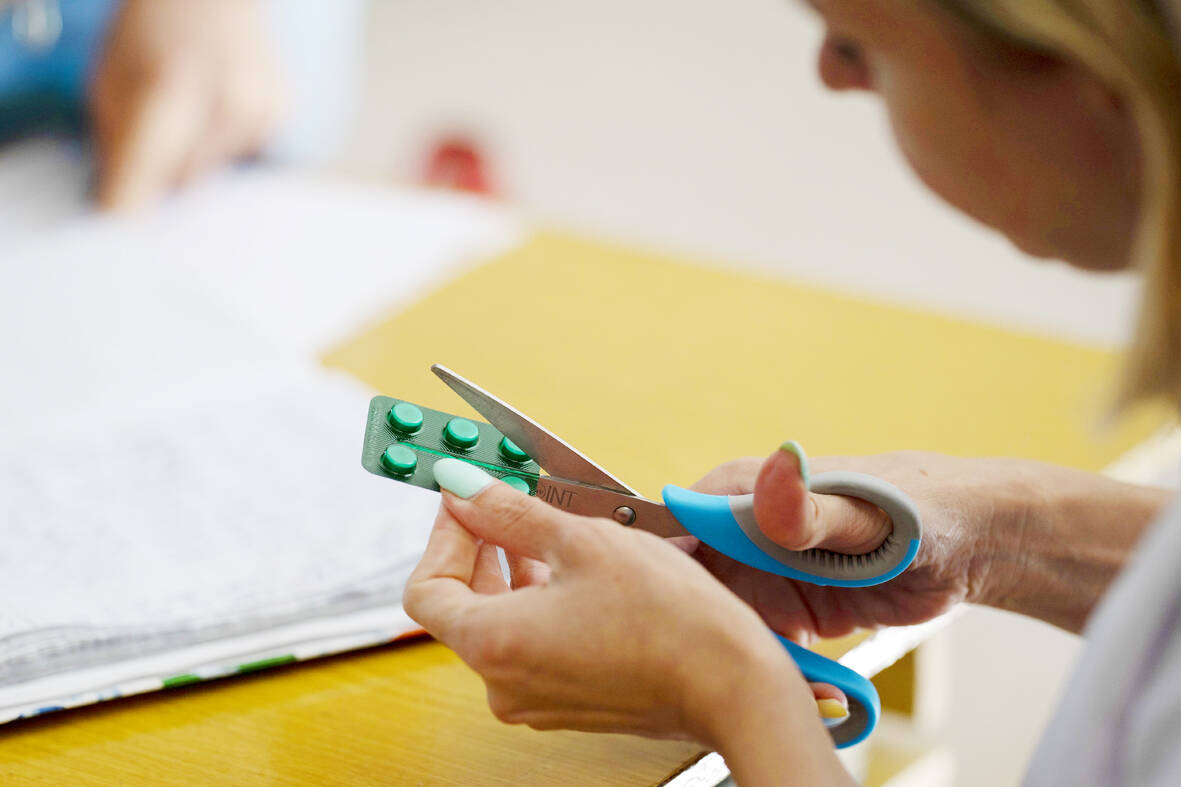
Photo: AP 照片:美聯社
衛生當局警告說,碘化鉀只應在某些核緊急事故下服用,並且在接近暴露時服用效果最佳。不應提前將其作為預防措施。
服用碘化鉀可能會有一些副作用,例如皮疹、發炎或胃部不適。根據美國食品藥物管理局的指南,四十歲以上的人通常不應服用碘片,除非他們的預期暴露量非常高。
(台北時報林俐凱編譯)
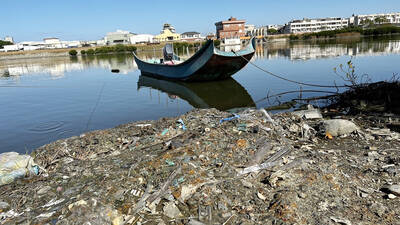
Many consumers are guilty of filling drawers or closets with old laptops, cellphones, fitness trackers and other electronic devices once they are no longer needed. It’s hard to know where to recycle such items, or it seems costly and inconvenient to do so. The world generates millions of tons of electronic waste — also called e-waste — each year. According to the UN’s most recent estimate, people worldwide produced 62 million metric tons of e-waste in 2022, and only about 22 percent of it was properly recycled. The US’ Environmental Protection Agency estimates that less than a quarter of e-waste is
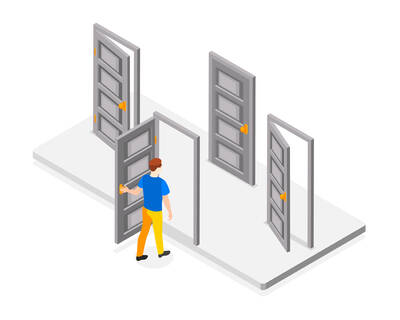
You’re sitting in class when a classmate asks to borrow a pencil. It seems like a small favor, so you agree without hesitation. The following week, the same classmate asks to share your notes. Later, they request help with a group project. You agree each time — after all, you helped out the first time — but before you know it, it has become automatic. This scenario demonstrates the “foot-in-the-door technique,” a psychological concept that shows how agreeing to small, acceptable demands makes it easier to accept larger ones later on. The name for this strategy comes from door-to-door

A: The four-day Tomb Sweeping Day long weekend begins Friday and will run until Monday. Are you going to sweep your ancestors’ tombs? B: I did in advance last weekend, so I can go to Kaohsiung to see the musical “The Phantom of the Opera.” A: Wow, is “Phantom” touring Taiwan again? It debuted in 1986, so this year marks the 40th anniversary of the show. B: And it’s not just touring Kaohsiung starting March 31, but also Taipei starting April 21 and Taichung starting May 26. A: “Phantom” is one of the world’s Four Major Musicals. I’ve seen all of them, except “Les

Continued from yesterday(延續自昨日) https://www.taipeitimes.com/News/lang Gig Tripping “Gig tripping” combines concerts with travel. People fly to see their favorite artists perform — usually abroad—and spend a few days sightseeing before or after the show. While die-hard fans have done this since the 1960s, the post-pandemic travel boom changed the game. Even people who aren’t superfans are now booking international concert trips because they want to make the most of travel opportunities. This trend exploded in the US, as the math makes sense. Domestic concert tickets are so costly that flying abroad for the show plus tourism expenses often matches or even beats the price


 RSS
RSS