


British fiction writer J.K. Rowling’s Harry Potter franchise has become a global phenomenon, but Quidditch, the real-life sport inspired by the airborne game played by wizards in the series, is now ditching its whimsical name.
Quidditch, the fictional sport invented by Rowling in the series, was adapted by Harry Potter fans and made into a real-life sport. The sport is now played in 40 countries among nearly 600 teams. However, the International Quidditch Association (IQA) said it was joining US Quidditch (USQ) and Major League Quidditch (MLQ) in adopting the new name after the two bodies had previously announced their decision to make the change: “Quidditch” will henceforth be known as “Quadball.” The decision is meant to distance themselves from Rowling’s views on transgender issues.
IQA had previously proposed a name change due to the fact that Rowling has increasingly come under scrutiny for her “anti-trans” positions. In the books, Quidditch is a sport that welcomes all players, regardless of gender or sex. Maintaining the same rule in the real world, the sport promotes equality and inclusivity. The new name “Quadball” allows people who are not familiar with the books to know that it is actually a ball game. (Translated by Rita Wang, Taipei Times)
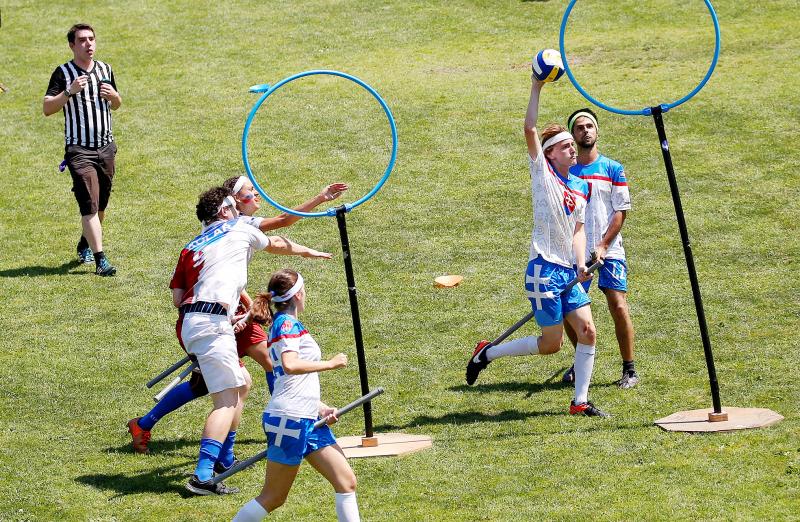
Photo: Reuters 照片:路透
由英國作家JK羅琳所寫下的《哈利波特》是全球最熱賣的文學作品,不過在故事中的巫師們最熱衷的「魁地奇」運動現在卻要改名了?
魁地奇原本是在《哈利波特》系列作品中虛構的運動,這個運動不僅在巫師世界大受歡迎,更有書迷受此啟發、在真實的世界發展出同名的運動,據悉現在在全球四十個國家共有近六百支球隊。不過舉辦魁地奇比賽的國際魁地奇協會(IQA)日前宣布要跟隨美國魁地奇協會(USQ)與當地魁地奇大聯盟(MLQ)的步伐,要求將這項運動改名為「魁地球」,並且透過這個動作向JK羅琳劃清界線。
其實IQA早前便曾經提出改名規劃,最主要的原因便是針對JK羅琳過去針對跨性別人士的一連串失言而來。其實魁地奇在書中就是不分性別、男女都能夠同場競技的運動,在真實世界的魁地奇不僅保留這條規則,更是鼓勵包容各種不同背景的人都能夠自在參與。而「魁地球」這個新的名字也呼應著比賽是球類項目的競技,讓不認識這項運動的人更能快速了解。
(自由時報)
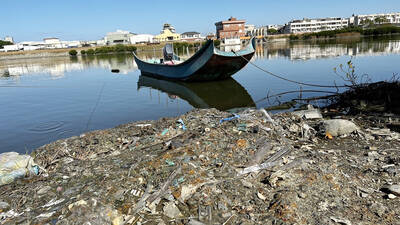
Many consumers are guilty of filling drawers or closets with old laptops, cellphones, fitness trackers and other electronic devices once they are no longer needed. It’s hard to know where to recycle such items, or it seems costly and inconvenient to do so. The world generates millions of tons of electronic waste — also called e-waste — each year. According to the UN’s most recent estimate, people worldwide produced 62 million metric tons of e-waste in 2022, and only about 22 percent of it was properly recycled. The US’ Environmental Protection Agency estimates that less than a quarter of e-waste is
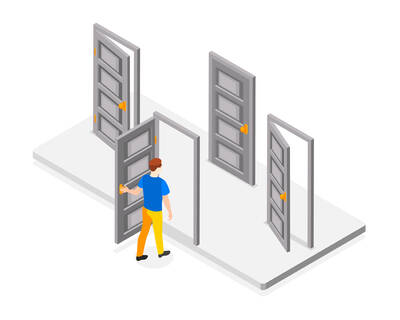
You’re sitting in class when a classmate asks to borrow a pencil. It seems like a small favor, so you agree without hesitation. The following week, the same classmate asks to share your notes. Later, they request help with a group project. You agree each time — after all, you helped out the first time — but before you know it, it has become automatic. This scenario demonstrates the “foot-in-the-door technique,” a psychological concept that shows how agreeing to small, acceptable demands makes it easier to accept larger ones later on. The name for this strategy comes from door-to-door

A: The four-day Tomb Sweeping Day long weekend begins Friday and will run until Monday. Are you going to sweep your ancestors’ tombs? B: I did in advance last weekend, so I can go to Kaohsiung to see the musical “The Phantom of the Opera.” A: Wow, is “Phantom” touring Taiwan again? It debuted in 1986, so this year marks the 40th anniversary of the show. B: And it’s not just touring Kaohsiung starting March 31, but also Taipei starting April 21 and Taichung starting May 26. A: “Phantom” is one of the world’s Four Major Musicals. I’ve seen all of them, except “Les

Dos & Don’ts — 想想看,這句話英語該怎麼說? 1. 我們很早到達電影院。 ˇ We arrived at the theater very early. χ We arrived the theater very early. 註︰arrive 為不及物動詞,後面如果有受詞要用 at 或 in。例如:They arrived in Taipei yesterday.。一般大地方,如國家、省、大城市等前面用 in,凡小地方城鎮、學校等則用 at。 2. 開車半小時以後,我們到達了海灘。 ˇ After half an hour’s drive, we got to the beach. χ After half an hour’s drive, we got the beach. 註︰come, go, get(來、去、到達)某地時,在表示地點的名詞前面應該用 to,如 go to school, go to Taipei, come to Shanghai 等。如果這些動詞後面所跟的是 here, there, home 等副詞,則不用 to。 3. 明天我會回辦公室。 ˇ I will be back in the office tomorrow. χ I will be back to office tomorrow. 註︰to be back 一語裡的 back 是副詞,不是介詞,所以後面要用 at (the market) 或 in (the office)。 假如假期結束,要回學校上課了則可說: ? Kids will be back


 RSS
RSS