


BA.5, part of the Omicron family, is the latest coronavirus variant to cause widespread waves of infection globally.
According to the World Health Organization’s (WHO) most recent report, it was behind 52 percent of cases sequenced in late June, up from 37 percent in one week. In the US, it is estimated to be causing around 65 percent of infections.
RISING CASE NUMBERS

Illustration: AP 插圖: 美聯社
BA.5 is not new. First identified in January, it has been tracked by the WHO since April.
It is a sister variant of the Omicron strain that has been dominant worldwide since the end of 2021, and has already caused spikes in case rates — even with reduced testing — in countries including South Africa, where it was first found, as well as the UK, parts of Europe, and Australia.
Coronavirus cases worldwide have now been rising for four weeks in a row, WHO data showed.
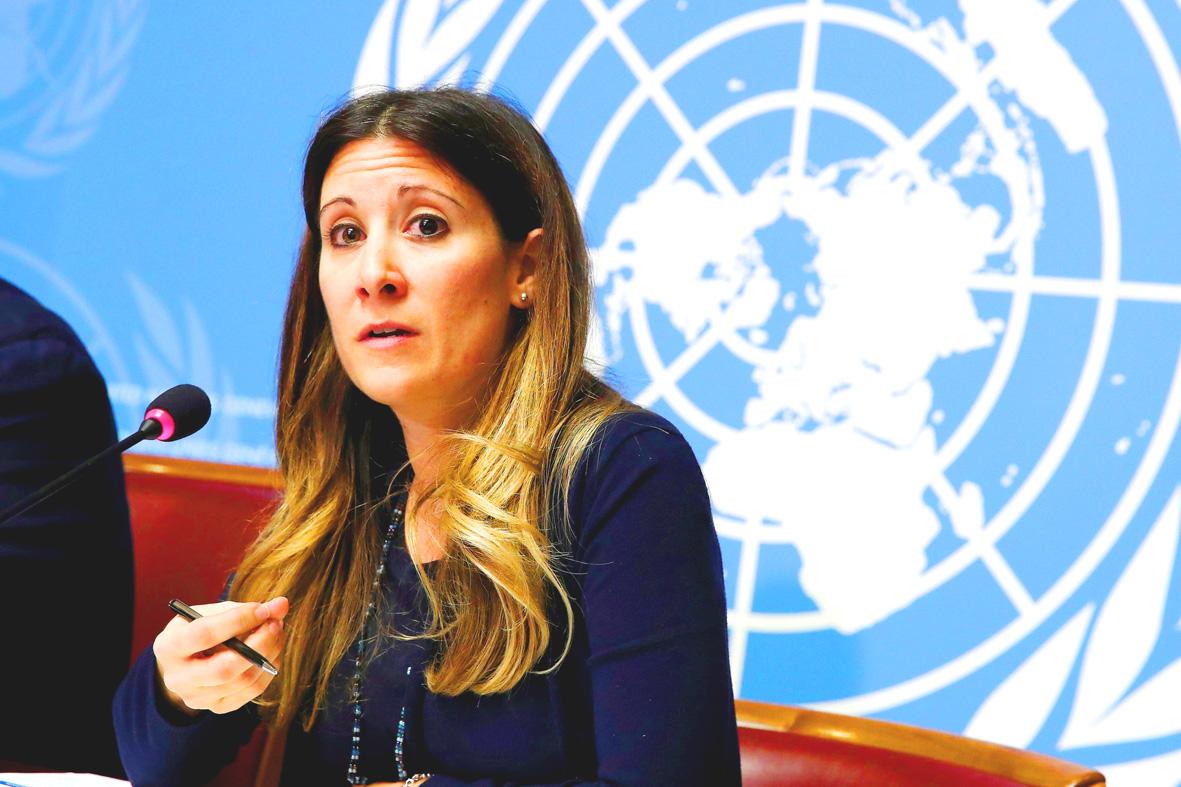
Photo: Reuters 照片:路透
WHY IT IS SPREADING
Like its closely related sibling, BA.4, BA.5 is particularly good at evading the immune protection afforded either by vaccination or prior infection.
For this reason, “BA.5 has a growth advantage over the other sublineages of Omicron that are circulating,” Maria Van Kerkhove, the WHO’s technical lead on COVID-19, told a news briefing on Tuesday last week.
For many people, this means that they are getting re-infected, often even a short time after having COVID-19. Van Kerkhove said the WHO is assessing reports of re-infections.
“We have ample evidence that people who’ve been infected with Omicron are getting infected with BA.5. No question about it,” said Gregory Poland, a virologist and vaccine researcher with the Mayo Clinic in Rochester, Minnesota.
If that seems particularly common now, it could be simply because so many people got Omicron, researchers have suggested.
NO MORE SEVERE
While rising cases have caused more hospitalizations in some countries, deaths have not gone up dramatically.
This is largely because vaccines continue to protect against severe illness and death, if not infection, and manufacturers and regulators are also looking at tweaked vaccines that directly target the newer Omicron variants.
There is also no evidence that BA.5 is more dangerous than any of the other Omicron variants, the WHO’s Van Kerkhove stressed, although spikes in cases can put health services under pressure and risk more people getting long COVID.
The WHO and other experts have also said that the ongoing pandemic — prolonged by vaccine inequity and the desire in many countries to “move beyond” COVID-19 — would only lead to more new and unpredictable variants.
Scientists are already drawing attention to BA.2.75, first identified in India, which has a large number of mutations and is spreading fast.
The WHO said on Tuesday last week that the pandemic remained a global health emergency, and countries should consider public health measures like masking and social distancing when cases surge, alongside vaccinations.
“What people fundamentally don’t understand is that when there is this high level of community transmission, this will mutate,” Poland said. “Who knows what’s going to come next. We are playing with fire.”
(Reuters)
BA.5是最新的冠狀病毒變種,屬Omicron的一支,可在全球廣泛引起一波波感染。
根據世界衛生組織的最新報告,在六月下旬所定序的病例,有百分之五十二為BA.5,高於一週前的百分之三十七。據估計,美國百分之六十五的病例皆是感染BA.5。
病例數上升
BA.5並非新病毒。它最早在一月被發現,自四月起世衛組織便開始追蹤它。
它是Omicron病毒株的姊妹變種,Omicron自二○二一年底以來在各國都是主要病毒,且在南非(首次發現Omicron病例的國家)、英國、歐洲部分地區及澳洲等國家造成染疫人數飆升──即便篩檢人數有所減少。
世衛組織的數據顯示,全球冠狀病毒病例數現已連續上升四週。
病毒為何傳播
BA.5與相近的手足BA.4一樣,免疫逃脫能力特別強,無論是藉由疫苗接種或之前感染所得到的免疫力。
由於此原因,「BA.5比正在流行的Omicron的其他亞型變種病毒更具傳播優勢」,世衛組織COVID-19技術主管瑪麗亞‧范科霍芙在上週二的記者會中表示。
對許多人而言,這表示他們會再度染疫,甚至常是在感染COVID-19後很短的時間內。范科霍芙說,世衛正在評估有關重複染疫的報告。
「我們有充分證據顯示,感染過Omicron的人正被BA.5感染。這毫無疑問」,美國明尼蘇達州羅徹斯特市梅奧診所病毒學家及疫苗研究員古格里‧波蘭表示。
研究人員表示,如果現在這看來特別稀鬆平常,那可能只是因為有很多人感染了Omicron。
不再是重症
雖然染疫人數增加在某些國家造成住院人數的增加,但死亡人數並未大幅上升。
這主要是因為疫苗若無法避免感染,仍能繼續防止重症及死亡,製造商與監管機構也在研究直接針對Omicron新變種的調整疫苗。
世衛組織的范科霍芙強調,也沒有證據顯示BA.5比任何其他Omicron變異株更危險,雖然病例激增可能會給醫療系統帶來壓力,並使更多人面臨新冠後遺症的風險。
世界衛生組織及其他專家還表示,疫情的持續不斷──由於疫苗分配不均及許多國家想要「擺脫」COVID-19而拖很久──只會導致更多新的、無法預測的變種。
科學家已開始關注BA.2.75,它首次發現是在印度,有大量的突變,且正迅速傳播。
世衛組織上週二表示,疫情仍是全球衛生緊急事件,各國應在病例激增時考慮採取公共衛生措施,例如戴口罩和保持社交距離,以及接種疫苗。
「大家根本不知道,當社區感染程度如此之高,病毒會產生變異」,波蘭表示。「誰知道接下來會發生什麼。我們在玩火自焚」。
(台北時報林俐凱編譯)
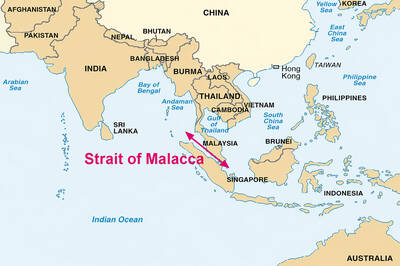
The closure of the Strait of Hormuz has forced policymakers in Asia to face questions over the security of other maritime chokepoints, including the Strait of Malacca, which is the world’s busiest waterway for international trade. WHAT IS THE MALACCA STRAIT? The 900km long Malacca Strait, bounded by Indonesia, Thailand, Malaysia and Singapore, provides the shortest sea route from East Asia to the Middle East and Europe. It carries nearly 22 percent of the world’s maritime trade, according to the Center for Strategic and International Studies (CSIS). This includes oil and gas shipments from the Middle East to the energy-hungry economies of China,

Cameras are everywhere — in our pockets, on our walls and even in space. They capture emotions, preserve history and reflect culture. Through these devices, photography is now essential to modern life, influencing how we perceive ourselves and the world. To understand the root of their power, let’s explore the camera’s remarkable journey. The story begins with the camera obscura, a dark room with a tiny hole. Light passing through the opening projected an inverted image on the opposite wall. Renaissance artists used this principle to paint accurate scenes. However, these images couldn’t be preserved as photographs. That changed

A: This year’s two most anticipated films have finally hit theaters in Taiwan. “Michael” premiered last Wednesday, while “The Devil Wears Prada 2” premiered this Wednesday ahead of its global release. B: Isn’t “Michael” the biopic about the late King of Pop Michael Jackson? A: Yup, it tells the story of Michael’s legendary life, from child star to global icon. And the role is in fact played by his nephew, Jaafar Jackson. B: Michael caused a sensation when touring Taiwan twice in 1993 and 1996. His classic hits, dance moves and music videos reshaped global pop culture at that time. A: I’m gonna

對話 Dialogue 華華:欸,你最近有沒有發現,路上很多人背的包包上還有一個透明的小包包? Huáhua: Èi, nǐ zuìjìn yǒu méiyǒu fāxiàn, lùshàng hěn duō rén bēi de bāobāo shàng hái yǒu yí ge tòumíng de xiǎo bāobāo? 清清:我上次去逛街,也注意到了。我看到好多人把吊飾、照片或娃娃什麼的放進小包裡,掛在包包上。那叫什麼啊? Qīngqīng: Wǒ shàngcì qù guàngjiē, yě zhùyì dào le. Wǒ kàndào hǎo duō rén bǎ diàoshì, zhàopiàn huò wáwa shénme de fàng jìn xiǎo bāo lǐ, guà zài bāobāo shàng. Nà jiào shénme a? 華華:聽說有兩種,一種叫「痛包」,一種叫「娃包」或「曬娃包」。 Huáhua: Tīngshuō yǒu liǎng zhǒng, yì zhǒng jiào “tòngbāo”, yì zhǒng jiào “wábāo” huò “shàiwábāo”. 清清:「痛包」這個說法我聽過,就是在包包上大量展示自己喜歡的東西。但「曬娃包」還是第一次聽到。為什麼叫「曬娃包」? Qīngqīng: “Tòngbāo” zhège shuōfǎ wǒ tīng guò, jiù shì zài bāobāo shàng dàliàng zhǎnshì zìjǐ xǐhuān de dōngxi. Dàn “shàiwábāo” háishì dì yí cì tīng dào. Wèishéme jiào “shàiwábāo”? 華華:因為很多人會把自己喜歡的娃娃放進透明包裡,帶出去拍照,曬給大家看。 Huáhua: Yīnwèi hěn


 RSS
RSS