


A good photo speaks more than a thousand words. “Shooting: The Pulitzer Prize Photographs Exhibition,” which opened on June 23, invites visitors to witness critical moments in history from around the world during the past 80 years, through the lenses of photojournalists.
“Shooting: The Pulitzer Prize Photographs Exhibition” is hosted by Cynthia International and Mediasphere Communications. The exhibition showcases photographs from 1940s to 2022, ranging from World War II, the Vietnam War, the Civil Rights Movement, the fall of the Berlin Wall, the 1998 Sudan famine to the 9/11 attacks and the Hong Kong protests. With a total of 138 photographs on display, each shot has captured a tumultuous event in world history.
Central News Agency president Chang Jui-chang said the exhibition is a captivating visual feast. Each photo allows visitors to see how the photojournalist transformed a newsworthy moment into an eternal image, securing it a place in history and touching people worldwide, says Chang. Quoting from The Little Prince: “what is essential is invisible to the eye,” Chang believes behind every photo lies more than just the photojournalist, but also the dynamics, tension and power embedded in each event.
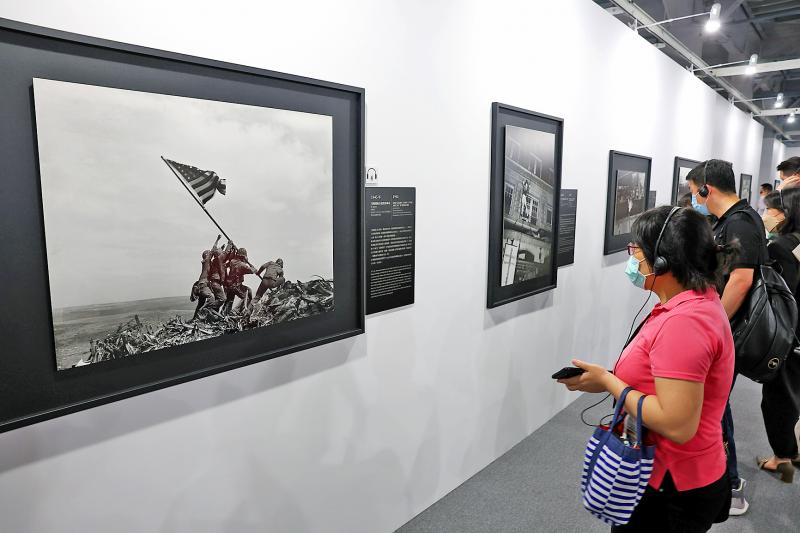
Photo: CNA 照片:中央社
“Shooting: The Pulitzer Prize Photographs Exhibition” is now open at Hall 4B of the Huashan 1914 Creative Park and runs until Sep. 25.
(Translated by Rita Wang, Taipei Times)
好照片抵千言萬語,「Shooting-普立茲新聞攝影獎八十週年展」於六月二十三日正式開展,透過攝影記者的觀景窗,見證全球八十年重大瞬間。
「Shooting—普立茲新聞攝影獎八十週年展」由斯維亞國際有限公司、時藝多媒體主辦。展覽從一九四○年代橫跨至二○二二年,包含二戰、越戰、非裔美國人民權運動、柏林圍牆倒榻、蘇丹大飢荒、世界貿易中心遇襲至香港抗爭運動等影像,都標誌了世界脈動,共展出一百三十八幅作品。
中央通訊社社長張瑞昌表示,展覽是場無與倫比的視覺饗宴,從中可見攝影工作者在新聞現場將剎那變成永恆,進而形成歷史的定格,令人印象深刻。他也引用「小王子」的名言「真正重要的東西,是眼睛看不見的」,每張照片背後不只有記者,更體現新聞事件的生命張力。
「Shooting—普立茲新聞攝影獎八十週年展」於華山文創園區中4B館展出至九月二十五日。
(中央社)
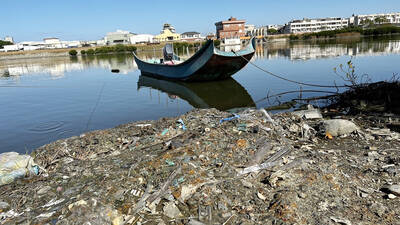
Many consumers are guilty of filling drawers or closets with old laptops, cellphones, fitness trackers and other electronic devices once they are no longer needed. It’s hard to know where to recycle such items, or it seems costly and inconvenient to do so. The world generates millions of tons of electronic waste — also called e-waste — each year. According to the UN’s most recent estimate, people worldwide produced 62 million metric tons of e-waste in 2022, and only about 22 percent of it was properly recycled. The US’ Environmental Protection Agency estimates that less than a quarter of e-waste is
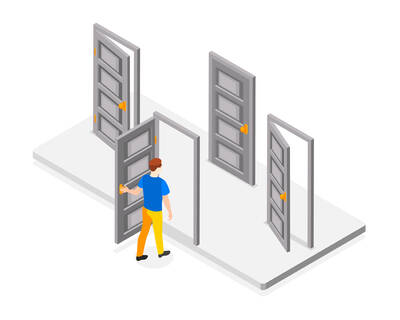
You’re sitting in class when a classmate asks to borrow a pencil. It seems like a small favor, so you agree without hesitation. The following week, the same classmate asks to share your notes. Later, they request help with a group project. You agree each time — after all, you helped out the first time — but before you know it, it has become automatic. This scenario demonstrates the “foot-in-the-door technique,” a psychological concept that shows how agreeing to small, acceptable demands makes it easier to accept larger ones later on. The name for this strategy comes from door-to-door

A: The four-day Tomb Sweeping Day long weekend begins Friday and will run until Monday. Are you going to sweep your ancestors’ tombs? B: I did in advance last weekend, so I can go to Kaohsiung to see the musical “The Phantom of the Opera.” A: Wow, is “Phantom” touring Taiwan again? It debuted in 1986, so this year marks the 40th anniversary of the show. B: And it’s not just touring Kaohsiung starting March 31, but also Taipei starting April 21 and Taichung starting May 26. A: “Phantom” is one of the world’s Four Major Musicals. I’ve seen all of them, except “Les

Dos & Don’ts — 想想看,這句話英語該怎麼說? 1. 我們很早到達電影院。 ˇ We arrived at the theater very early. χ We arrived the theater very early. 註︰arrive 為不及物動詞,後面如果有受詞要用 at 或 in。例如:They arrived in Taipei yesterday.。一般大地方,如國家、省、大城市等前面用 in,凡小地方城鎮、學校等則用 at。 2. 開車半小時以後,我們到達了海灘。 ˇ After half an hour’s drive, we got to the beach. χ After half an hour’s drive, we got the beach. 註︰come, go, get(來、去、到達)某地時,在表示地點的名詞前面應該用 to,如 go to school, go to Taipei, come to Shanghai 等。如果這些動詞後面所跟的是 here, there, home 等副詞,則不用 to。 3. 明天我會回辦公室。 ˇ I will be back in the office tomorrow. χ I will be back to office tomorrow. 註︰to be back 一語裡的 back 是副詞,不是介詞,所以後面要用 at (the market) 或 in (the office)。 假如假期結束,要回學校上課了則可說: ? Kids will be back


 RSS
RSS