


The Maximowicz’s snakebark maples in the Taipingshan National Forest Recreation Area have recently been turning purplish red. After seeing photos of the leafy spectacle, someone remarked that the pandemic has long prevented them from going abroad, but it would be a true pleasure to hike up Taipingshan and enjoy the scenery.
Taipingshan’s maple trees, which mostly grow on either side of the central stairway of the Taipingshan Villa, turn red in April each year and remain so until September. Tourists who have been there sing its praises, saying that photos taken there will turn out beautiful no matter how you take them.
The Luodong Forest District Office says that when there is clear weather over Taipingshan, the azure sky further accentuates the beauty of the maples, which in recent days have attracted a fair number of people to go up the mountain and admire the scenery.
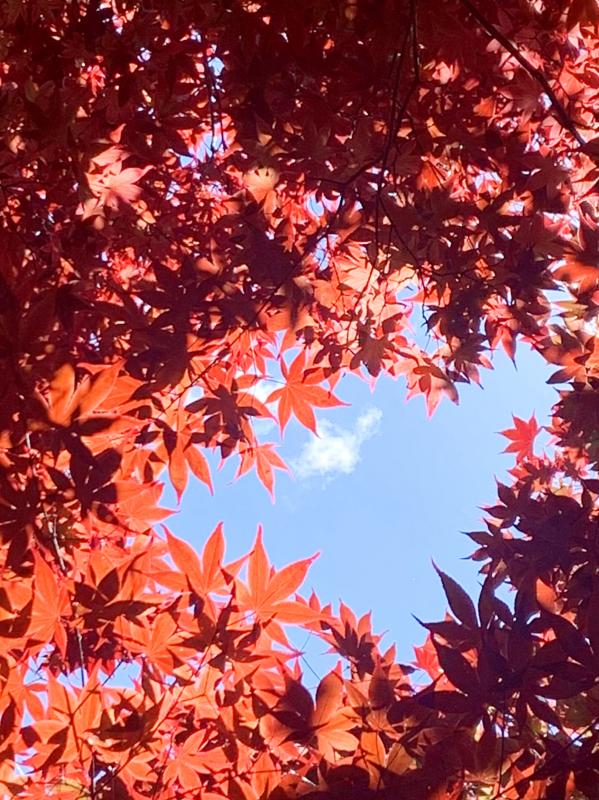
Photo courtesy of the Luodong Forest District Office 照片︰羅東林管處提供
Taipingshan rises 2,000m above sea level, and the mountain climate is quite cool, with temperatures averaging 10 degrees colder than in the lowlands.
(Liberty Times, translated by Julian Clegg)
宜蘭縣太平山國家森林遊樂區的紫葉槭,近來紛紛轉變成紫紅色,畫面曝光後,網友回應說,受疫情影響很久沒出國,此時上太平山賞景無疑是小確幸。
太平山紫葉槭集中在太平山莊中央階梯兩側,每年四月進入紅葉期,一直持續到九月。去過的遊客大讚在這兒拍照怎麼拍怎麼美。
羅東林管處表示,太平山天氣放晴,蔚藍天空更能襯托出紫葉槭之美,連日來吸引不少人上山賞景。
太平山海拔兩千公尺,山區氣溫比平地低十度,氣候相當涼爽。
(自由時報江志雄)
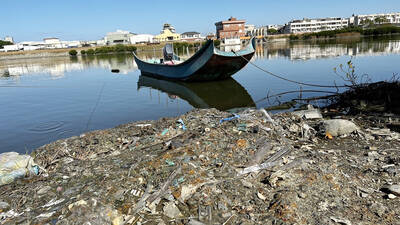
Many consumers are guilty of filling drawers or closets with old laptops, cellphones, fitness trackers and other electronic devices once they are no longer needed. It’s hard to know where to recycle such items, or it seems costly and inconvenient to do so. The world generates millions of tons of electronic waste — also called e-waste — each year. According to the UN’s most recent estimate, people worldwide produced 62 million metric tons of e-waste in 2022, and only about 22 percent of it was properly recycled. The US’ Environmental Protection Agency estimates that less than a quarter of e-waste is

You’re sitting in class when a classmate asks to borrow a pencil. It seems like a small favor, so you agree without hesitation. The following week, the same classmate asks to share your notes. Later, they request help with a group project. You agree each time — after all, you helped out the first time — but before you know it, it has become automatic. This scenario demonstrates the “foot-in-the-door technique,” a psychological concept that shows how agreeing to small, acceptable demands makes it easier to accept larger ones later on. The name for this strategy comes from door-to-door

A: The four-day Tomb Sweeping Day long weekend begins Friday and will run until Monday. Are you going to sweep your ancestors’ tombs? B: I did in advance last weekend, so I can go to Kaohsiung to see the musical “The Phantom of the Opera.” A: Wow, is “Phantom” touring Taiwan again? It debuted in 1986, so this year marks the 40th anniversary of the show. B: And it’s not just touring Kaohsiung starting March 31, but also Taipei starting April 21 and Taichung starting May 26. A: “Phantom” is one of the world’s Four Major Musicals. I’ve seen all of them, except “Les

Continued from yesterday(延續自昨日) https://www.taipeitimes.com/News/lang Gig Tripping “Gig tripping” combines concerts with travel. People fly to see their favorite artists perform — usually abroad—and spend a few days sightseeing before or after the show. While die-hard fans have done this since the 1960s, the post-pandemic travel boom changed the game. Even people who aren’t superfans are now booking international concert trips because they want to make the most of travel opportunities. This trend exploded in the US, as the math makes sense. Domestic concert tickets are so costly that flying abroad for the show plus tourism expenses often matches or even beats the price


 RSS
RSS