


Following the success of its first and second seasons, the newest season of hit Taiwanese drama series “Light the Night” is set to debut on Netflix on Friday. Set in Taipei’s red light district in the 1980s, the story is about love and hate among a group of hostesses at a hostess bar, where one of them is murdered.
Starring actress Ruby Lin and a cast of A-line stars, the production of the series cost as much as NT$250 million (US$8.9 million). When the first season of the show was released in November last year, it topped Netflix’s Taiwanese chart in just two days, becoming the fastest chart topper ever. The third season will cause another sensation when the murderer is finally revealed.
When asked whether there will be a fourth season or a movie version, Lin, who also produces the series, admitted recently that the thought did cross her mind, adding that another new season is not completely out of the question.

Photo courtesy of Bossdom Digiinnovation Co 照片:百聿數碼提供
(Eddy Chang, Taipei Times)
熱門台劇《華燈初上》繼前兩季造成轟動,最新一季週五即將在網飛上架。該劇背景設定為一九八○年代、位於台北市的紅燈區,是關於一群酒店小姐愛恨情仇的故事,其中一位還慘遭謀殺。
《華燈初上》由林心如等多位大牌所主演,整部影集的製作費高達二‧五億台幣(約八百九十多萬美元)。第一季稍早於去年十一月開播,兩天內即衝上網飛的台灣排行榜冠軍,成為最快奪冠的台劇。隨著謀殺犯終於在第三季揭曉,勢必掀起另一波熱潮。
當被問及是否會繼續拍第四季、甚至拍電影版,身兼製作人的林心如近日回應,的確曾考慮過,再拍一季並非不可能。
(台北時報張聖恩)
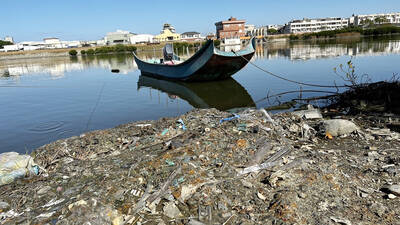
Many consumers are guilty of filling drawers or closets with old laptops, cellphones, fitness trackers and other electronic devices once they are no longer needed. It’s hard to know where to recycle such items, or it seems costly and inconvenient to do so. The world generates millions of tons of electronic waste — also called e-waste — each year. According to the UN’s most recent estimate, people worldwide produced 62 million metric tons of e-waste in 2022, and only about 22 percent of it was properly recycled. The US’ Environmental Protection Agency estimates that less than a quarter of e-waste is
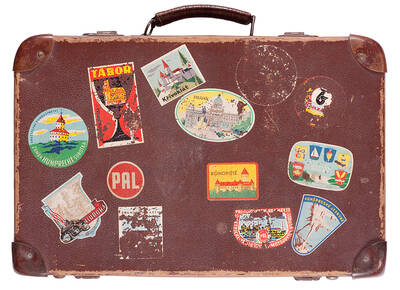
Travel fever is back, and it’s contagious. After years of being kept home during the COVID-19 pandemic, people are once again eager to explore the world. Rather than just book any trip, travelers are getting smarter about how they scratch that travel itch. Microcation Defined as four days or fewer and over 160km away from home, the microcation perfectly matches the post-pandemic mindset. After long periods of remaining indoors, people are making up for lost time by taking short, frequent getaways throughout the year. These brief trips avoid the work-life imbalance that comes with long absences. With only a few days away, one’s

You’re sitting in class when a classmate asks to borrow a pencil. It seems like a small favor, so you agree without hesitation. The following week, the same classmate asks to share your notes. Later, they request help with a group project. You agree each time — after all, you helped out the first time — but before you know it, it has become automatic. This scenario demonstrates the “foot-in-the-door technique,” a psychological concept that shows how agreeing to small, acceptable demands makes it easier to accept larger ones later on. The name for this strategy comes from door-to-door

Continued from yesterday(延續自昨日) https://www.taipeitimes.com/News/lang Gig Tripping “Gig tripping” combines concerts with travel. People fly to see their favorite artists perform — usually abroad—and spend a few days sightseeing before or after the show. While die-hard fans have done this since the 1960s, the post-pandemic travel boom changed the game. Even people who aren’t superfans are now booking international concert trips because they want to make the most of travel opportunities. This trend exploded in the US, as the math makes sense. Domestic concert tickets are so costly that flying abroad for the show plus tourism expenses often matches or even beats the price


 RSS
RSS