


A man surnamed Fang has been charged with concocting several nicknames to sell consumer electronics goods on social networking platforms concerned with second-hand items such as cellphones and game consoles. After one of his victims remitted payment for a graphics card, the buyer actually received a bunch of bananas, while someone else bought a Sony Playstation 5 game console but instead received tubes of toothpaste. The Kaohsiung City Police Department Criminal Investigation Corps (CIC) set up a task force, which traveled to Yilan County to search premises rented by Fang. Fang vehemently denied any involvement, but his denial was contradicted by evidence provided by the victims and a friend whose account had been used for the transaction. The police transferred him to the Yilan District Prosecutors’ Office on suspicion of fraud and a court granted the prosecutors’ request to hold him in detention.
Speaking on Feb. 17, a spokesperson for the Kaohsiung CIC’s Eighth Detective Team said that a chip shortage and the COVID-19 pandemic have caused a worldwide shortage of PS5 game consoles, and this has forced people to buy them from second-hand device sales platforms instead, where they may even have to pay more than the recommended retail price. Realizing that many gamers were seeking to buy these devices through certain Facebook groups, 36-year-old Fang cooked up Facebook identities with nicknames like “Chou Chieh-lun,” “Chou Yu-min” and “Yang Lai-kuo” and offered to sell PS5 consoles, hot-selling second-hand cellphones and other consumer electronics goods at 10 percent off the market price. This attracted many people to place orders, but they ended up getting swindled.
The CIC estimates that at least 60 people fell victim to this scam between July last year and February this year, and were defrauded by a total of at least NT$1.2 million. Fang denied everything. He said he did not know “Chou Chieh-lun,” “Chou Yu-min” and “Yang Lai-kuo” and claimed that these three Facebook accounts did not belong to him.

Photo courtesy of a member of the public 照片:民眾提供
The police believe that the suspect used this technique not only to evade the law by throwing up a smokescreen of civil disputes, but also to make his victims believe that the items had been mistakenly sent to the wrong recipients. This would make it take longer for his account to be put on a watch list, thus giving him more time to make his ill-gotten gains. After being arrested, Fang claimed that the cellphone was not his, but the police still handed him over to the prosecutors’ office on suspicion of fraud.(Liberty Times, translated by Julian Clegg)
方姓男子被控在網路巧立幾個暱稱,在二手手機、遊戲機等社團平台兜售3C商品。被害人買顯示卡匯款後,竟收到一串香蕉,還有人買PS5遊戲主機,結果收到一條牙膏。高雄市政府警察局刑事警察大隊獲報成立專案偵辦,前往方嫌宜蘭縣租處搜索,但他矢口否認,被害人和被借金融帳戶的友人指證歷歷,警方依詐欺罪嫌將他移送宜蘭地檢署,檢方聲押獲准。
高市刑大偵八隊二月十七日指出,PS5遊戲機受晶片短缺及疫情影響,全球大缺貨,民眾只好轉往二手機平台搶購,而且還得加價才能順利入手,三十六歲的方男發現不少玩家在臉書特定平台求購,臉書巧立「周劫侖」、「周漁民」、「楊來過」等暱稱,還以低於市價一成價格,兜售PS5主機及暢銷二手手機等3C商品,吸引許多網友下單搶購再行詐。
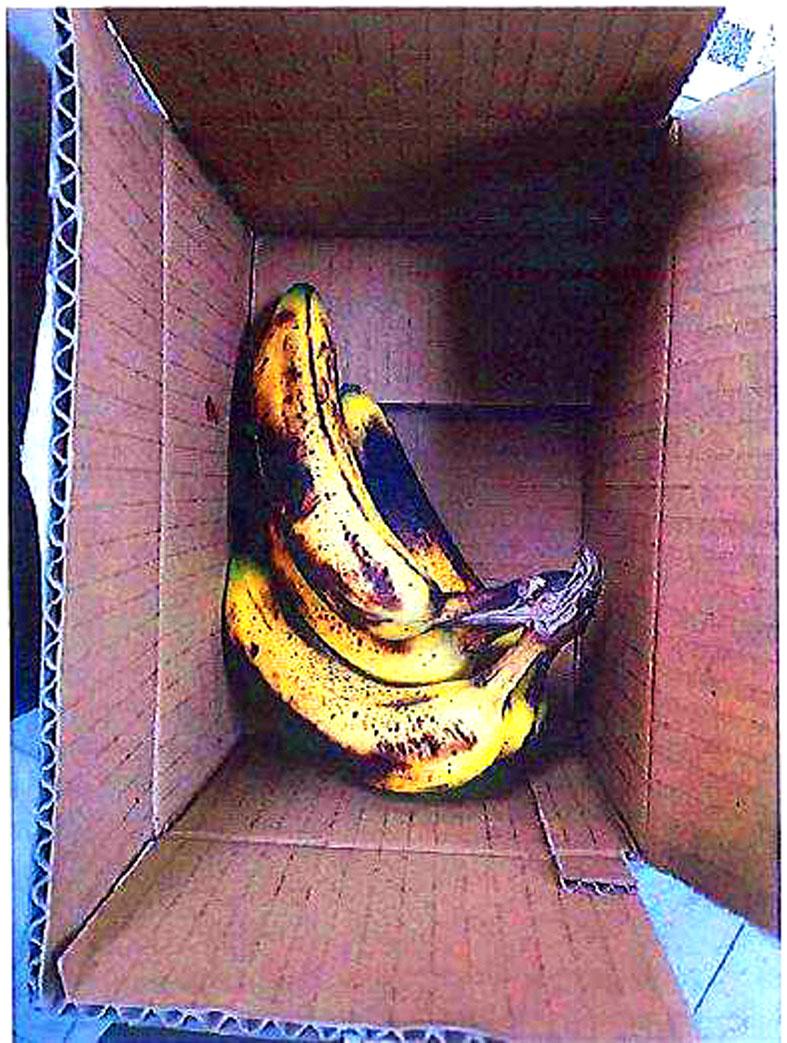
Photo courtesy of a member of the public 照片:民眾提供
刑大估計自去年七月至今年二月,至少已有六十人受害,詐騙金額累計約一百二十多萬元,但方嫌全盤否認,辯稱不認識「周劫侖」、「周漁民」、「楊來過」,此三個臉書帳號也非他所有。
警方研判嫌犯利用此一手法,除了想製造民事糾紛假象,藉此逃避法律,同時讓被害人誤以為寄錯,藉此拖延帳號遭列警示帳戶,進而延長取得贓款時間。方男被逮後辯稱手機不是他的,警方將他依詐欺罪嫌移送法辦。(自由時報黃良傑)
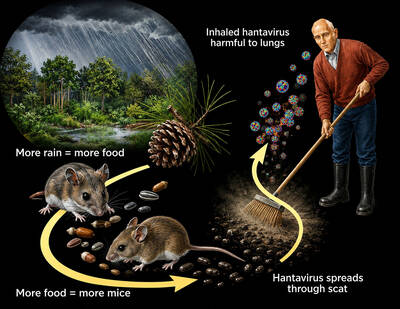
An outbreak aboard a cruise ship of a rare rodent-borne illness called hantavirus has left three passengers dead and sickened others, but global health officials say the risk to the general public remains low because the germ does not easily spread between people. “This is not the next COVID, but it is a serious infectious disease,” said Maria Van Kerkhove, director of epidemic and pandemic preparedness at the World Health Organization (WHO). “Most people will never be exposed to this.” The virus usually spreads when people inhale contaminated residue of rodent droppings. Hantaviruses have been around for centuries and are thought to

Have you ever wondered how people navigate the world when they can’t see a map? For individuals with visual impairments, conventional maps are nearly impossible to use. This is where tactile maps come in — essential tools that allow people to “see” the world through touch. A tactile map is specially designed with raised lines, textures, and symbols to represent geographical features such as roads, rivers, and buildings. Users explore it with their fingertips. However, these maps are not exclusively for people with visual disabilities. They serve as valuable multisensory learning tools that enhance spatial understanding for everyone, making

1. 他病了三天。 ˇ He has been sick for three days. χ He has been sick since three days. 註︰這裡現在完成時態 have / has been 表示從過去某一時日到現在的一段時間存在的行為或狀態,與它連用的時間副詞應為 「for +若干時」,如 for a year, for three hours 等,意思是歷時多少。 2. 他自從星期三以來都很忙。 ˇ He has been busy since Wednesday. χ He has been busy from Wednesday. 註︰「自從……以來」,該用 since。說從某一天(某一時刻)到某一天(某一時刻)才用 from,如 from Monday till Friday。 3. 房間角落裡散放著一些零星物件。 ˇ There were some odds and ends lying in the corner of the room. χ There were some odds and ends lying at the corner of the room. 註︰「在房間角落裡」該用介詞 in。例如: He stood in the corner. There is a lamp in the corner of the room. at the corner 指房子外部的拐角。例如: A little boy

A: In early May, there were concerts by Icyball, Chyi Yu, Korea’s EXO and Japan’s Anisama, but I missed them all. What a shame. B: That’s OK. There are shows coming up by various artists, including Power Station, Accusefive, Japanese singer Mika Nakashima, Chinese-Icelandic jazzer Laufey, and even Singaporean diva Stefanie Sun. A: After a 12-year hiatus, Stefanie is finally returning to Taipei again. B: In late May, there will be more shows by Crowd Lu, WeiBird, Korea’s Donghae, 2AM, EXID, and Thailand’s BUS. A: The Thai boyband is so popular. It looks like “T-pop” is catching up with J-pop


 RSS
RSS