


Pollution by states and companies is contributing to more deaths globally than COVID-19, a UN environmental report published on Tuesday last week said, calling for “immediate and ambitious action” to ban some toxic chemicals.
The report said pollution from pesticides, plastics and electronic waste is causing widespread human rights violations and at least 9 million premature deaths a year, and that the issue is largely being overlooked.
The coronavirus pandemic has caused close to 5.9 million deaths, according to data aggregator Worldometer.
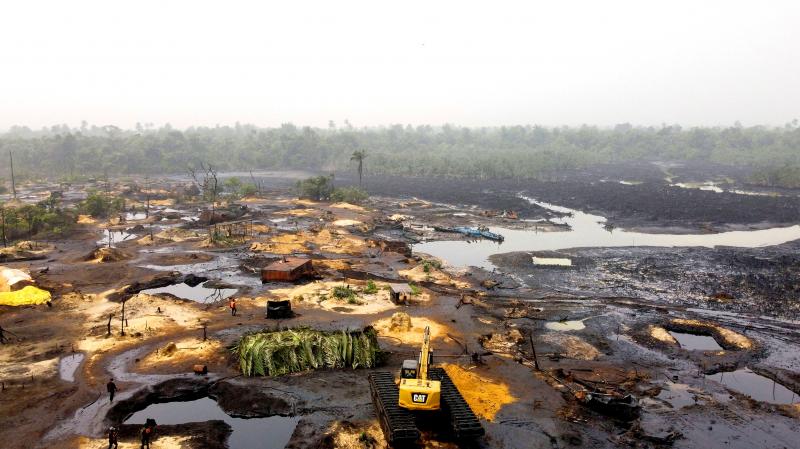
Photo: Reuters 照片:路透
“Current approaches to managing the risks posed by pollution and toxic substances are clearly failing, resulting in widespread violations of the right to a clean, healthy and sustainable environment,” the report’s author, UN Special Rapporteur David Boyd, concluded.
Due to be presented next month to the UN Human Rights Council, which has declared a clean environment a human right, the document was posted on the Council’s Web site on Tuesday last week.
It urges a ban on polyfluoroalkyl and perfluoroalkyl, man-made substances used in household products such as non-stick cookware that have been linked to cancer and dubbed “forever chemicals” because they don’t break down easily.
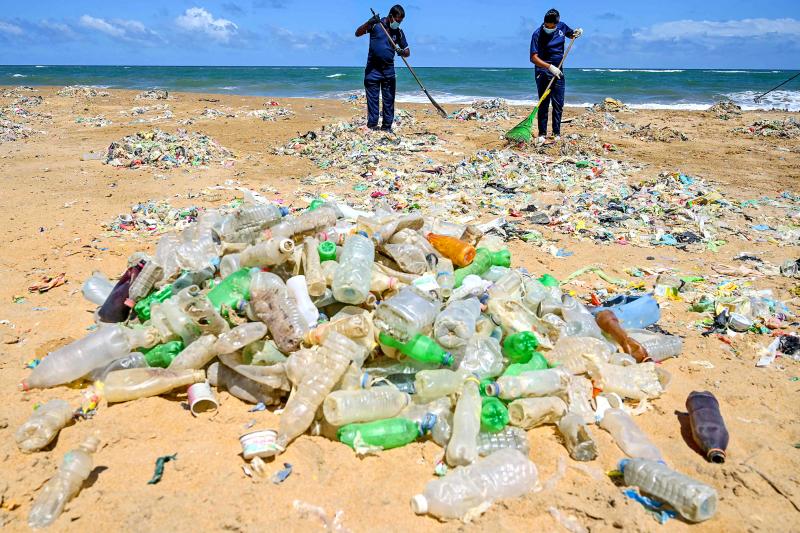
Photo: AFP 照片:法新社
It also seeks the clean-up of polluted sites and, in extreme cases, the possible relocations of affected communities — many of them poor, marginalized and indigenous — from so-called “sacrifice zones.”
That term, originally used to describe nuclear test zones, was expanded in the report to include any heavily contaminated site or place rendered uninhabitable by climate change.
UN rights chief Michelle Bachelet has called environmental threats the biggest global rights challenge, and a growing number of climate and environmental justice cases are invoking human rights with success.
Chemical waste is set to be part of negotiations at a UN environment conference in Nairobi, Kenya, starting on Monday next week, including a proposal to establish a devoted panel, similar to the Intergovernmental Panel on Climate Change.
(Reuters)
聯合國上週二發布的一份環境報告指出,各國與企業造成的污染,在全球所導致的死亡人數超過死於COVID-19的人數,因此呼籲「立即採取大刀闊斧的行動」禁用一些有毒化學品。
該報告說,農藥、塑膠及電子廢棄物所造成的污染,造成大規模人權侵犯,每年至少有九百萬人過早死亡,而且此問題多半被忽視了。
根據資料整合網站Worldometer之數據,冠狀病毒大流行已造成近五百九十萬人死亡。
該報告作者、聯合國特別報告員大衛‧波伊德總結道:「目前對污染及有毒物質的風險管理方法顯然是失敗的,導致我們擁有清潔、健康及永續環境的權利被廣泛侵犯」。
該報告已於上週二發佈在聯合國人權理事會網站,將於下月送交理事會──該理事會宣示擁有潔淨環境為人權。
該報告敦促禁用多氟烷基和全氟烷基,這些人造物質用於家用產品例如不沾廚具,這些物質與癌症有關,且被稱為「永久化學品」,因其不易分解。
它還呼籲清理被污染的地方,在極端情況下,可能將受影響的社區──其中許多是貧困、社會邊緣人及原住民──搬離所謂的「犧牲區」。
「犧牲區」這術語原指核子試爆場,此報告將其定義擴及任何因氣候變化或嚴重污染而不適人居的地方。
聯合國人權事務負責人蜜雪兒‧巴舍萊將環境威脅稱為全球最大的人權挑戰,越來越多援引人權的氣候與環境司法案件取得成功。
化學廢棄物問題將納入二月二十八日起在肯亞奈洛比舉行的聯合國環境會議中談判,包括建立一個類似「政府間氣候變化專門委員會」之專門小組的提案。
(台北時報林俐凱編譯)
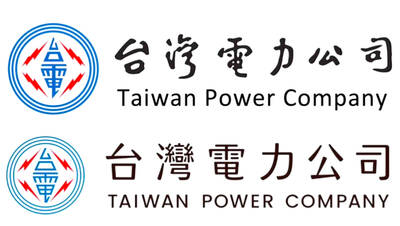
The debate surrounding Taipower’s recent corporate identity reboot has gone well beyond the design community. The controversy began after Taipower replaced the familiar “Taiwan Power Company” wording — widely regarded as the calligraphy of Yu You-ren (1879-1964), former Control Yuan president and master calligrapher — with a modern logotype by designer Aaron Nieh’s team, Aaron Nieh Workshop. Taipower said the change was not a wholesale replacement of old signage, but an “optimization of its identity system,” aimed at meeting the needs of digital media, electronic bills, apps, social media graphics and various small-format applications. Existing physical markings, such as building

Since 2005, the third Monday in January has come to be known as “Blue Monday.” In other words, that day is believed to be the most depressing day of the year. This concept seems logical at first. After all, Monday marks the start of the school or workweek after two days of rest and fun. Also, blue is a color that is often associated with sadness. Furthermore, in many parts of the world, January is a time when the weather is cold, rainy, and gloomy. But is there any scientific proof that this January day is truly sadder than any of
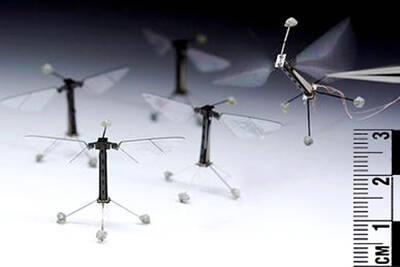
As bee populations around the world continue to decline at an alarming rate, scientists are developing an innovative solution: robotic bees. Recent advances at research institutions like Massachusetts Institute of Technology (MIT) in the US have produced tiny flying robots capable of performing pollination tasks similar to those of real bees. These tiny machines represent an impressive technological achievement. MIT’s latest models can hover in the air for over 1,000 seconds and perform complex movements, demonstrating the agility needed for successful pollination. The robots are designed to mimic the flight patterns of natural bees, offering potential support to agriculture

Continued from yesterday(延續自昨日) https://www.taipeitimes.com/News/lang For the most part, the idea of “Blue Monday” has been rejected as a myth. Some mental health experts also say there is a danger in labeling a certain day as the most depressing time of the entire year. Some argue that if people expect to feel sadder on the third Monday in January, this belief alone may increase their anxiety. One group that is worried about the negative effect of believing in Blue Monday is Samaritans. A mental health charity based in the UK, Samaritans is working to turn Blue Monday into “Brew Monday.” In this


 RSS
RSS