


Microsoft stunned the gaming industry when it announced on Jan. 18 it would buy game publisher Activision Blizzard for US$68.7 billion, a deal that would immediately make it a larger video-game company than Nintendo.
Microsoft, maker of the Xbox gaming system, said acquiring the owner of Candy Crush, Call of Duty, Overwatch and Diablo would be good for gamers and advance its ambitions for the metaverse — a vision for creating immersive virtual worlds for both work and play.
But what does the deal really mean for the millions of people who play video games, either on consoles or their phones? And will it actually happen at a time of increased government scrutiny over giant mergers in the US and elsewhere?
Photo: Reuters 照片:路透
Is this really about the metaverse? Microsoft says so. And there are some ways Activision could help the tech giant compete with rivals like Meta, which renamed itself from Facebook last year to signal its new focus on leading its billions of social media users into the metaverse.
Metaverse enthusiasts describe the concept as a new and more immersive version of the Internet, but to work it will require a lot of people to actually want to spend more time in virtual worlds. Microsoft’s metaverse ambitions have focused on work tools such as its Teams video chat applications, but online multiplayer games such as Call of Duty and World of Warcraft have huge followings devoted to interacting with each other virtually for fun.
Pushing more people into such virtual social networks will not be all fun and games, however, and could amplify existing problems with online harassment, trolling and identity theft, according to Elizabeth Renieris, founding director of the Technology Ethics Lab at the University of Notre Dame.
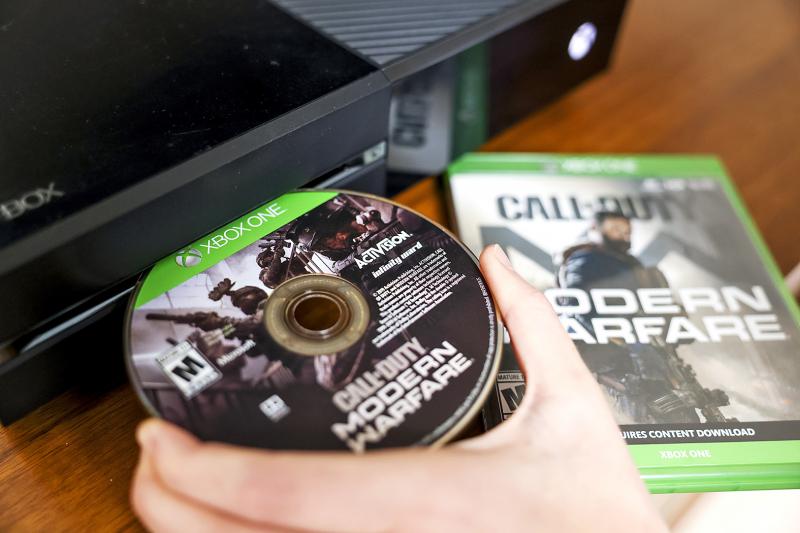
Photo: Bloomberg 照片:彭博社
Will it actually happen? That’s a big unknown. Regulators and rivals could turn up the pressure to block the deal.
Other tech giants such as Meta, Google, Amazon and Apple have all attracted increasing attention from antitrust regulators in the US and Europe. But the Activision deal is so big — potentially the priciest-ever tech acquisition — that Microsoft will also be putting itself into the regulatory spotlight.
(AP)
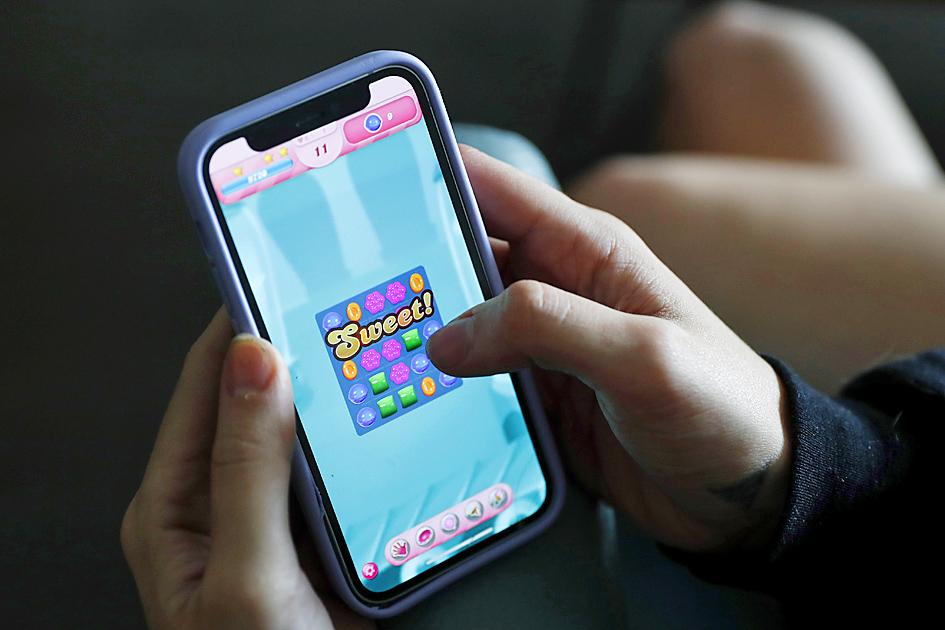
Photo: EPA-EFE 照片:歐新社
微軟一月十八日宣布,將以六百八十七億美元(約新台幣一點九兆元)收購遊戲發行商動視暴雪,震撼遊戲業。這筆交易將使微軟一躍成為比任天堂更大的電子遊戲公司。
Xbox遊戲主機製造商微軟表示,收購這家擁有Candy Crush、《決勝時刻》、《鬥陣特攻》及《暗黑破壞神》等遊戲的公司,對遊戲玩家來說是有利的,也可讓微軟對「元宇宙」的雄心再跨出一步——元宇宙的願景是為工作及娛樂創造身歷其境的虛擬世界。
但對在遊戲機或手機上玩電子遊戲的數百萬人來說,此交易的意義究竟是什麼?當美國及其他國家政府對大型併購之審查愈趨嚴格的此時,此併購案是否真會成交?
Photo: Bloomberg 照片: 彭博社
此併購之目的是否真是為了元宇宙?微軟說是的。而且動視可在某些方面幫助微軟這科技巨頭與Meta等對手競爭。Meta之前身為Facebook,在去年更名,以表明該公司之新重點是將其數十億社群媒體用戶引入虛擬世界。
元宇宙迷將元宇宙之概念描述為一種新的、更身歷其境的網路,但要讓它發揮作用,得要有很多人確實想花更多時間在虛擬世界才行。微軟對元宇宙的目標先前是在工作軟體上,例如Teams視訊聊天應用程式等,但《決勝時刻》和《魔獸世界》等線上多人遊戲有大批玩家追隨,在虛擬世界中互動遊樂。
然而,美國聖母大學技術倫理實驗室的創辦者兼主任伊麗莎白‧雷尼利斯表示,把更多人拉進這些虛擬社群網路,所牽涉的不是只有娛樂和遊戲,現已出現的線上騷擾、網路仇恨言論及身分盜竊等問題可能也會加劇。
此併購案會成真嗎?這是一大未知數。監管機構與競爭對手可能會施加更多壓力來阻止此案成交。
Meta、谷歌、亞馬遜和蘋果等科技巨頭,在美國與歐洲所受到反壟斷監管機構的關注越來越多。動視的交易規模如此之大——可能是有史以來最昂貴的技術收購——微軟因此也會置身於監管的聚光燈下。
(台北時報林俐凱編譯)

Many consumers are guilty of filling drawers or closets with old laptops, cellphones, fitness trackers and other electronic devices once they are no longer needed. It’s hard to know where to recycle such items, or it seems costly and inconvenient to do so. The world generates millions of tons of electronic waste — also called e-waste — each year. According to the UN’s most recent estimate, people worldwide produced 62 million metric tons of e-waste in 2022, and only about 22 percent of it was properly recycled. The US’ Environmental Protection Agency estimates that less than a quarter of e-waste is
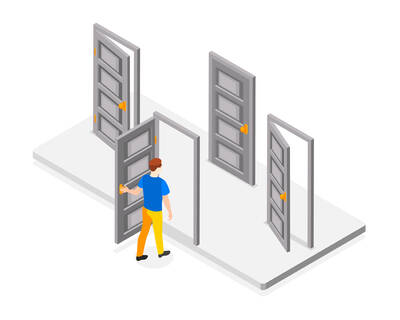
You’re sitting in class when a classmate asks to borrow a pencil. It seems like a small favor, so you agree without hesitation. The following week, the same classmate asks to share your notes. Later, they request help with a group project. You agree each time — after all, you helped out the first time — but before you know it, it has become automatic. This scenario demonstrates the “foot-in-the-door technique,” a psychological concept that shows how agreeing to small, acceptable demands makes it easier to accept larger ones later on. The name for this strategy comes from door-to-door

A: The four-day Tomb Sweeping Day long weekend begins Friday and will run until Monday. Are you going to sweep your ancestors’ tombs? B: I did in advance last weekend, so I can go to Kaohsiung to see the musical “The Phantom of the Opera.” A: Wow, is “Phantom” touring Taiwan again? It debuted in 1986, so this year marks the 40th anniversary of the show. B: And it’s not just touring Kaohsiung starting March 31, but also Taipei starting April 21 and Taichung starting May 26. A: “Phantom” is one of the world’s Four Major Musicals. I’ve seen all of them, except “Les

Dos & Don’ts — 想想看,這句話英語該怎麼說? 1. 我們很早到達電影院。 ˇ We arrived at the theater very early. χ We arrived the theater very early. 註︰arrive 為不及物動詞,後面如果有受詞要用 at 或 in。例如:They arrived in Taipei yesterday.。一般大地方,如國家、省、大城市等前面用 in,凡小地方城鎮、學校等則用 at。 2. 開車半小時以後,我們到達了海灘。 ˇ After half an hour’s drive, we got to the beach. χ After half an hour’s drive, we got the beach. 註︰come, go, get(來、去、到達)某地時,在表示地點的名詞前面應該用 to,如 go to school, go to Taipei, come to Shanghai 等。如果這些動詞後面所跟的是 here, there, home 等副詞,則不用 to。 3. 明天我會回辦公室。 ˇ I will be back in the office tomorrow. χ I will be back to office tomorrow. 註︰to be back 一語裡的 back 是副詞,不是介詞,所以後面要用 at (the market) 或 in (the office)。 假如假期結束,要回學校上課了則可說: ? Kids will be back


 RSS
RSS