


On July 31, Beijing police announced they had detained Chinese-Canadian pop star Kris Wu on suspicion of rape. The 30-year-old Wu was being investigated over accusations of “tricking young girls into having sex with him,” according to a statement by police in Chaoyang District.
Wu was accused in June by 18-year-old student Du Meizhu of date-raping her when she was only 17. Following Du’s accusation, which police say was supported by the evidence, more young women have stood up to accuse him. Over a dozen brands broke off endorsement with him, including Porsche, Bvlgari and Louis Vuitton. He is looking at financial losses of as much as NT$2 billion (US$78 million).
Wu first entered showbiz as a member of K-pop supergroup EXO, and he left the group in 2014 to go solo in China. With over 51 million followers on his Weibo page, he was unquestionably one of the biggest Chinese superstars at the time. If convicted in court, he could be sentenced to from 10 years to life.

Photo copied by Wu Meng-lun, Liberty Times 照片:自由時報吳孟倫
(Eddy Chang, Taipei Times)
北京警方在七月三十一日宣布,加拿大籍中國男星吳亦凡因涉嫌強暴,目前被依法刑事拘留。朝陽分局在一份聲明中並指出,這位三十歲的男星是因「多次誘騙年輕女性發生性關係」等舉報,遭到警方調查。
稍早在六月時,十八歲女學生都美竹公開指控吳亦凡,在她才十七歲未成年時對她約會強暴。該指控被警方證實後,又有多位年輕女性出面提出類似指控。他代言的十幾家品牌,包括保時捷、寶格麗、路易威登……等精品,則立刻全部跟他解約,財物損失估計高達二十億台幣(約七千八百多萬美元)。
吳亦凡以韓流天團EXO成員的身份出道,但在二○一四年退團,並回到中國發展個人演藝事業。他的微博粉絲人數高達五千一百萬人,是中國頂流明星之一。要是罪名成立,他將被判處十年甚至終身監禁。
(台北時報張聖恩)

Many consumers are guilty of filling drawers or closets with old laptops, cellphones, fitness trackers and other electronic devices once they are no longer needed. It’s hard to know where to recycle such items, or it seems costly and inconvenient to do so. The world generates millions of tons of electronic waste — also called e-waste — each year. According to the UN’s most recent estimate, people worldwide produced 62 million metric tons of e-waste in 2022, and only about 22 percent of it was properly recycled. The US’ Environmental Protection Agency estimates that less than a quarter of e-waste is
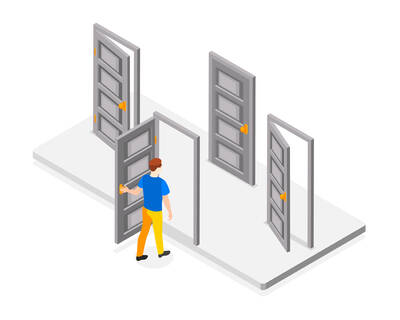
You’re sitting in class when a classmate asks to borrow a pencil. It seems like a small favor, so you agree without hesitation. The following week, the same classmate asks to share your notes. Later, they request help with a group project. You agree each time — after all, you helped out the first time — but before you know it, it has become automatic. This scenario demonstrates the “foot-in-the-door technique,” a psychological concept that shows how agreeing to small, acceptable demands makes it easier to accept larger ones later on. The name for this strategy comes from door-to-door

A: The four-day Tomb Sweeping Day long weekend begins Friday and will run until Monday. Are you going to sweep your ancestors’ tombs? B: I did in advance last weekend, so I can go to Kaohsiung to see the musical “The Phantom of the Opera.” A: Wow, is “Phantom” touring Taiwan again? It debuted in 1986, so this year marks the 40th anniversary of the show. B: And it’s not just touring Kaohsiung starting March 31, but also Taipei starting April 21 and Taichung starting May 26. A: “Phantom” is one of the world’s Four Major Musicals. I’ve seen all of them, except “Les

Dos & Don’ts — 想想看,這句話英語該怎麼說? 1. 我們很早到達電影院。 ˇ We arrived at the theater very early. χ We arrived the theater very early. 註︰arrive 為不及物動詞,後面如果有受詞要用 at 或 in。例如:They arrived in Taipei yesterday.。一般大地方,如國家、省、大城市等前面用 in,凡小地方城鎮、學校等則用 at。 2. 開車半小時以後,我們到達了海灘。 ˇ After half an hour’s drive, we got to the beach. χ After half an hour’s drive, we got the beach. 註︰come, go, get(來、去、到達)某地時,在表示地點的名詞前面應該用 to,如 go to school, go to Taipei, come to Shanghai 等。如果這些動詞後面所跟的是 here, there, home 等副詞,則不用 to。 3. 明天我會回辦公室。 ˇ I will be back in the office tomorrow. χ I will be back to office tomorrow. 註︰to be back 一語裡的 back 是副詞,不是介詞,所以後面要用 at (the market) 或 in (the office)。 假如假期結束,要回學校上課了則可說: ? Kids will be back


 RSS
RSS