


Who’s the most popular Chinese-language singer on YouTube? As his 2019 hit “What’s Wrong” crossed 100 million views on June 17, singer Eric Chou has become the only artist with four singles crossing the 100-million benchmark. His other three YouTube megahits include: “The Distance of Love,” “How Have You Been” and “The Chaos After You,” which just reached 100 million hits on May 17.
Taiwanese singer Jay Chou as well as Hong Kong singer GEM boast three smash hits that both reached 100 million views on YouTube, while Taiwanese rock band Mayday and Singaporean singer JJ Lin each have two 100-million hits. The most-viewed Mandarin song on YouTube, “Light Years Away” by GEM, has generated 236.8 million views since 2016.
In last summer, the 26-year-old Eric Chou also became the first to rock the Taipei Area as the venue reopened for large concerts again, and his concert was even reported by Time magazine as a symbol for Taiwan’s victory in its fight against the COVID-19 pandemic.
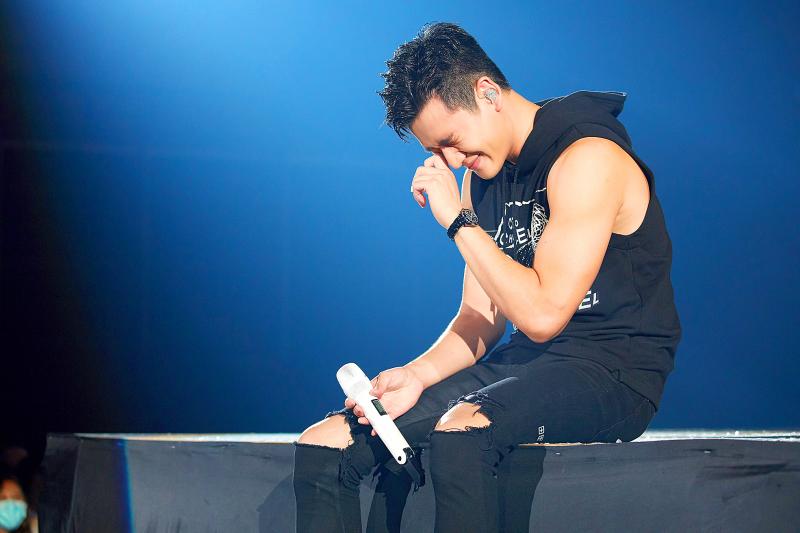
Photo courtesy of M Star Entertainment 照片:星空飛騰國際娛樂提供
(Eddy Chang, Taipei Times)
誰才是在YouTube上最受歡迎的華語歌手呢?小天王周興哲前年的熱門金曲《怎麼了》,於六月十七日已在YouTube突破一億次點閱率大關,這也讓他成為唯一擁有四首破億神曲的藝人!另外三首則是︰《以後別做朋友》、《你,好不好》、《如果雨之後》,第三首在五月十七日才剛破億。
台灣歌手周杰倫、香港歌手鄧紫棋各擁有三首破億單曲,台灣天團五月天、新加坡歌王林俊傑亦有兩首破億單曲。而鄧紫棋的《光年之外》,是網上歷年來點閱率最高的華語歌曲,自二○一六年上線後,目前已創下兩億三千六百多萬次超高點閱率。
而在去年夏天,台北小巨蛋重新開放舉辦大型演唱會,現年才二十六歲的周興哲成為解封後首位攻蛋的藝人,當時他的演唱會還受到《時代》雜誌報導,更被視為台灣抗疫成功的象徵。
(台北時報張聖恩)

Many consumers are guilty of filling drawers or closets with old laptops, cellphones, fitness trackers and other electronic devices once they are no longer needed. It’s hard to know where to recycle such items, or it seems costly and inconvenient to do so. The world generates millions of tons of electronic waste — also called e-waste — each year. According to the UN’s most recent estimate, people worldwide produced 62 million metric tons of e-waste in 2022, and only about 22 percent of it was properly recycled. The US’ Environmental Protection Agency estimates that less than a quarter of e-waste is
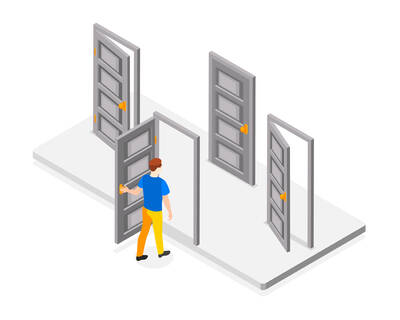
You’re sitting in class when a classmate asks to borrow a pencil. It seems like a small favor, so you agree without hesitation. The following week, the same classmate asks to share your notes. Later, they request help with a group project. You agree each time — after all, you helped out the first time — but before you know it, it has become automatic. This scenario demonstrates the “foot-in-the-door technique,” a psychological concept that shows how agreeing to small, acceptable demands makes it easier to accept larger ones later on. The name for this strategy comes from door-to-door

A: The four-day Tomb Sweeping Day long weekend begins Friday and will run until Monday. Are you going to sweep your ancestors’ tombs? B: I did in advance last weekend, so I can go to Kaohsiung to see the musical “The Phantom of the Opera.” A: Wow, is “Phantom” touring Taiwan again? It debuted in 1986, so this year marks the 40th anniversary of the show. B: And it’s not just touring Kaohsiung starting March 31, but also Taipei starting April 21 and Taichung starting May 26. A: “Phantom” is one of the world’s Four Major Musicals. I’ve seen all of them, except “Les

Dos & Don’ts — 想想看,這句話英語該怎麼說? 1. 我們很早到達電影院。 ˇ We arrived at the theater very early. χ We arrived the theater very early. 註︰arrive 為不及物動詞,後面如果有受詞要用 at 或 in。例如:They arrived in Taipei yesterday.。一般大地方,如國家、省、大城市等前面用 in,凡小地方城鎮、學校等則用 at。 2. 開車半小時以後,我們到達了海灘。 ˇ After half an hour’s drive, we got to the beach. χ After half an hour’s drive, we got the beach. 註︰come, go, get(來、去、到達)某地時,在表示地點的名詞前面應該用 to,如 go to school, go to Taipei, come to Shanghai 等。如果這些動詞後面所跟的是 here, there, home 等副詞,則不用 to。 3. 明天我會回辦公室。 ˇ I will be back in the office tomorrow. χ I will be back to office tomorrow. 註︰to be back 一語裡的 back 是副詞,不是介詞,所以後面要用 at (the market) 或 in (the office)。 假如假期結束,要回學校上課了則可說: ? Kids will be back


 RSS
RSS