


High temperatures over the last few weeks, more like what one would expect at the height of summer, have caused many students to complain about the oppressive heat. During an administrative report delivered to the Nantou County Council on Friday, Nantou County Commissioner Lin Ming-chen thanked Premier Su Tseng-chang for taking on board his suggestion by allocating funds from the central government’s Forward-looking Infrastructure Development Program to install air conditioning in all of the nation’s elementary and high schools.
Lin reported that his administration has also committed an additional NT$100 million to the project and has already put the air conditioning upgrades out to tender. Lin expects that all of Nantou County’s students will be able to enjoy air-conditioned classrooms by the beginning of the next academic year.
Lin says that after the legislature passed a NT$400 billion budget for the Forward-looking Infrastructure Development Program, many parents petitioned him to do something about the lack of air conditioning in classrooms, since every year come summertime, students find it difficult to concentrate on their lessons. Lin says he brought the matter up during a county administration meeting and suggested allocating NT$20 billion from the budget to install air conditioning in all classrooms.
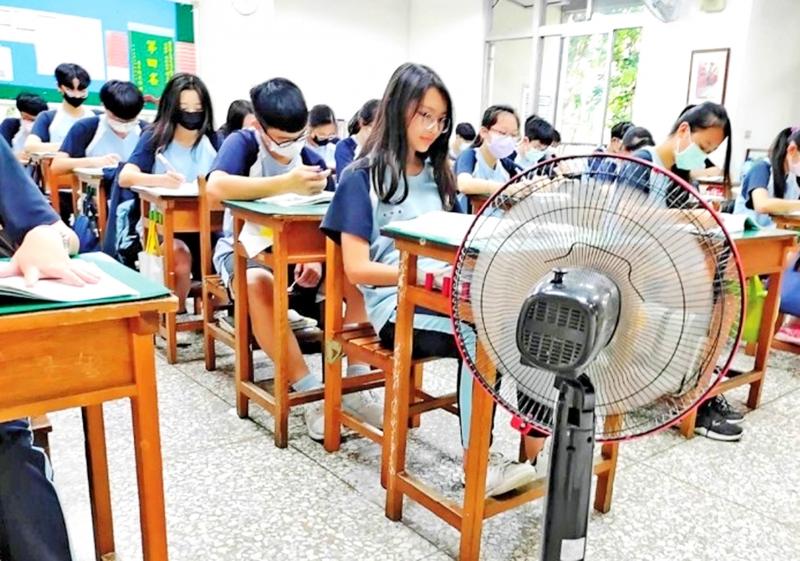
Photo: Chen Feng-li, Liberty Times 照片:自由時報記者陳鳳麗
After Lin’s suggestion was reported in the media, Su took action to set aside funds for the project and guaranteed that all of the nation’s elementary and high school classrooms would have air conditioning by the end of February next year.
(Liberty Times, translated by Edward Jones)
最近高溫炎熱如盛夏,學生直喊熱,南投縣長林明溱十四日在縣議會進行施政報告時表示,感謝行政院長蘇貞昌聽到他的建議,從前瞻基礎建設計畫預算編列經費,讓全國中小學教室裝冷氣。
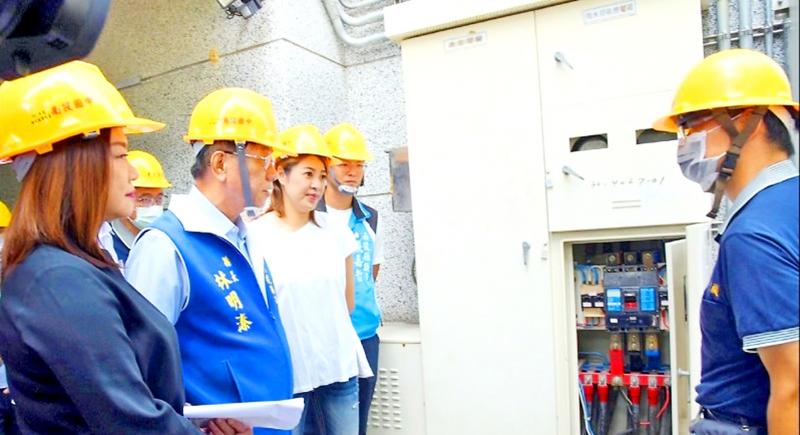
Photo: Hsieh Chieh-yu, Liberty Times 照片:自由時報記者謝介裕
南投縣也自籌一億元配合款,最近已完成冷氣招標,預計下學年開始,縣內學生將陸續有冷氣可吹。
林明溱指出,行政院前瞻基礎建設計畫四千億元預算在立法院通過後,他接獲許多學生家長反映,因教室沒有冷氣,每到夏天學生難以專心上課,當時他就在縣務會議建議行政院長蘇貞昌,能從前瞻基礎建設計畫預算中撥出兩百億元給全國中小學教室裝冷氣。
經媒體披露後,蘇院長即果斷指示行政院編列,還保證要在明年二月底前,達成全國中小學教室全面裝冷氣政策。
(自由時報張協昇)
Many consumers are guilty of filling drawers or closets with old laptops, cellphones, fitness trackers and other electronic devices once they are no longer needed. It’s hard to know where to recycle such items, or it seems costly and inconvenient to do so. The world generates millions of tons of electronic waste — also called e-waste — each year. According to the UN’s most recent estimate, people worldwide produced 62 million metric tons of e-waste in 2022, and only about 22 percent of it was properly recycled. The US’ Environmental Protection Agency estimates that less than a quarter of e-waste is
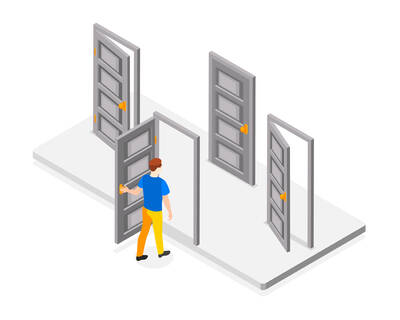
You’re sitting in class when a classmate asks to borrow a pencil. It seems like a small favor, so you agree without hesitation. The following week, the same classmate asks to share your notes. Later, they request help with a group project. You agree each time — after all, you helped out the first time — but before you know it, it has become automatic. This scenario demonstrates the “foot-in-the-door technique,” a psychological concept that shows how agreeing to small, acceptable demands makes it easier to accept larger ones later on. The name for this strategy comes from door-to-door

A: The four-day Tomb Sweeping Day long weekend begins Friday and will run until Monday. Are you going to sweep your ancestors’ tombs? B: I did in advance last weekend, so I can go to Kaohsiung to see the musical “The Phantom of the Opera.” A: Wow, is “Phantom” touring Taiwan again? It debuted in 1986, so this year marks the 40th anniversary of the show. B: And it’s not just touring Kaohsiung starting March 31, but also Taipei starting April 21 and Taichung starting May 26. A: “Phantom” is one of the world’s Four Major Musicals. I’ve seen all of them, except “Les

Dos & Don’ts — 想想看,這句話英語該怎麼說? 1. 我們很早到達電影院。 ˇ We arrived at the theater very early. χ We arrived the theater very early. 註︰arrive 為不及物動詞,後面如果有受詞要用 at 或 in。例如:They arrived in Taipei yesterday.。一般大地方,如國家、省、大城市等前面用 in,凡小地方城鎮、學校等則用 at。 2. 開車半小時以後,我們到達了海灘。 ˇ After half an hour’s drive, we got to the beach. χ After half an hour’s drive, we got the beach. 註︰come, go, get(來、去、到達)某地時,在表示地點的名詞前面應該用 to,如 go to school, go to Taipei, come to Shanghai 等。如果這些動詞後面所跟的是 here, there, home 等副詞,則不用 to。 3. 明天我會回辦公室。 ˇ I will be back in the office tomorrow. χ I will be back to office tomorrow. 註︰to be back 一語裡的 back 是副詞,不是介詞,所以後面要用 at (the market) 或 in (the office)。 假如假期結束,要回學校上課了則可說: ? Kids will be back


 RSS
RSS