


Following a successful test flight on Tuesday, the indigenous advanced jet trainer (AJT) — the test-case for the government’s aspiration to build a self-sustaining domestic defense industry — continues to fly through project milestones with ease, and will soon enter the operational test phase. Aerospace Industrial Development Corp (AIDC) chairman Hu Kai-hung, who is former deputy chief of the military’s general staff, got back behind the controls on Tuesday to co-pilot the original AJT prototype, also known as Yung Ying or “Brave Eagle.”
Hu told reporters that development, testing and evaluation work on the aircraft is proceeding smoothly and that Tuesday’s test flight also allowed the public to get a glimpse of what the AJT is capable of.
According to the military’s 2020 year-end legislative report, AIDC will manufacture 66 AJTs for the Air Force, with the final jet expected to be delivered in June 2026. In addition to the two prototypes already produced, a further two aircraft will be handed over to the Air Force‘s Seventh Tactical Flight Wing stationed at Jhihhang Air Base in Taitung. The AJT will gradually replace the F-5 fighter as the Air Force’s primary jet trainer.
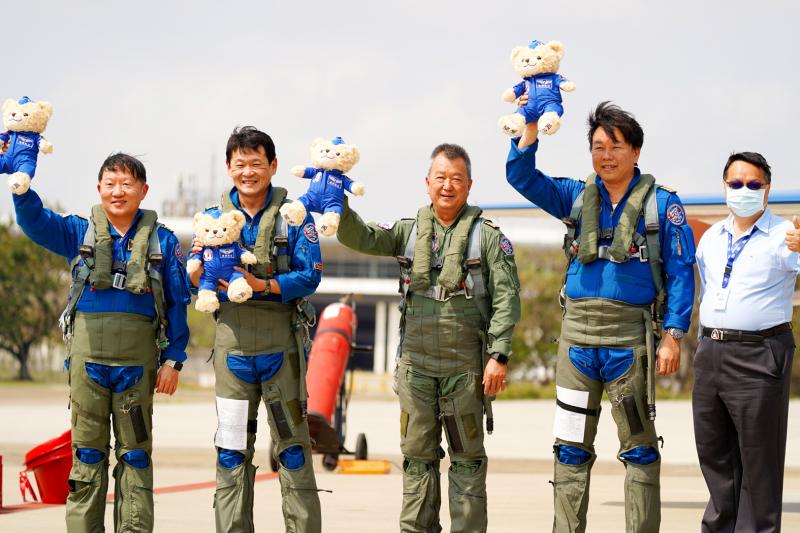
Photo: Aaron Tu, Liberty Times
照片:自由時報涂鉅旻
Hu co-piloted the original prototype aircraft, serial number 11001, with AIDC test pilot Kuan Yen-nien during Tuesday’s test flight, which lasted a total of 40 minutes. After landing, Hu told reporters: “Speaking as a veteran pilot, I can say that today’s flight tests exceeded expectations in all areas, including testing of the ‘beyond visual range’ and ‘within visual range’ combat modes.”
(Liberty Times, translated by Edward Jones)
為「國機國造」指標案件的高教機國造進度持續前推,即將正式進入戰術測評階段。為此,身為空軍退役中將的漢翔航空工業董事長胡開宏週二重拾飛行身手,同乘「勇鷹」原型機後座。胡開宏表示,他藉此以實際行動宣示,漢翔的研發測試評估工作順利,同時也讓國人知道漢翔的能量。
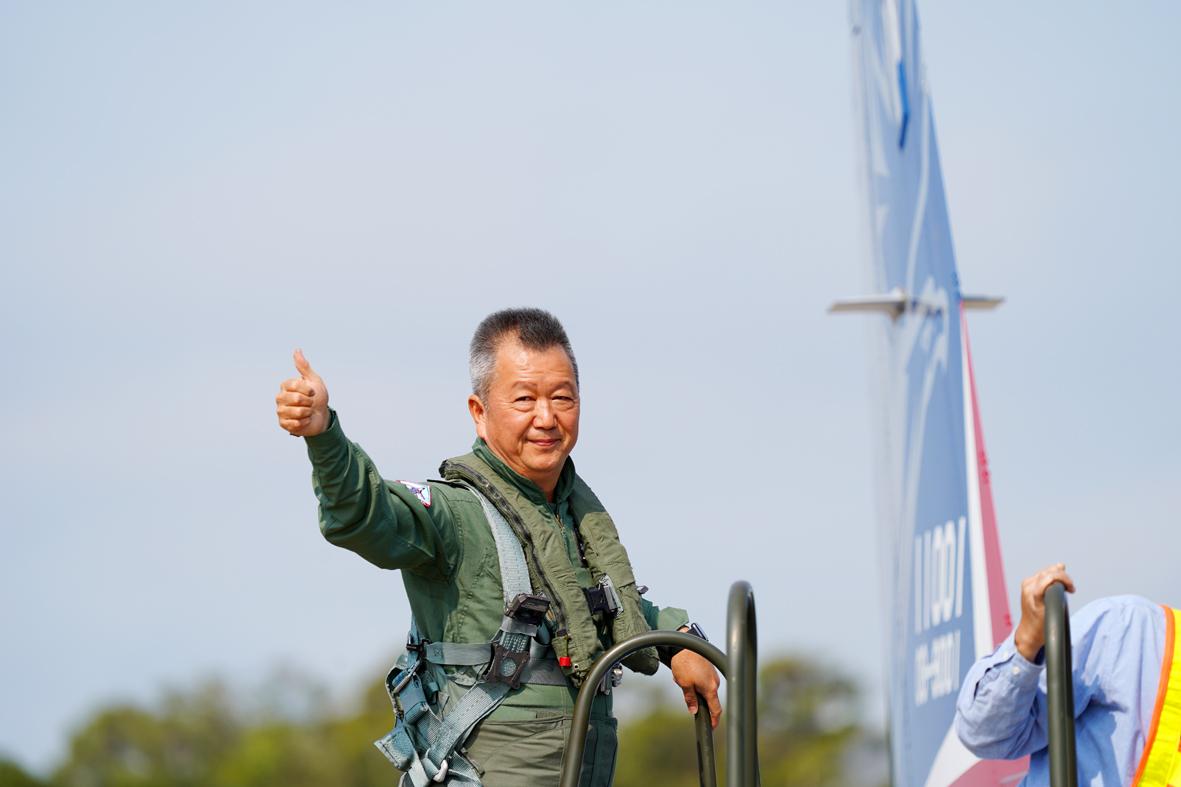
Photo: Aaron Tu, Liberty Times
照片:自由時報涂鉅旻
根據國軍去年底送至立法院的預算案報告內容揭示,空軍所需六十六架「勇鷹」高教機,預計在二○二六年六月以前完成交機,且除了已出廠的兩架原型機,另會有兩架交機給駐守台東志航基地的空軍七聯隊使用,藉此逐漸汰換擔綱部訓機任務的F-5戰機。
胡開宏週二和試飛官管延年共乘機號「11001」的「勇鷹」高教原型機,一共飛行四十分鐘。他在降落後受訪表示,他是老飛行員,而今天的飛行科目,已超越既有測試科目,甚至還有測試「視距外作戰」模式,隨後進行「視距內作戰」模式。
(自由時報涂鉅旻)
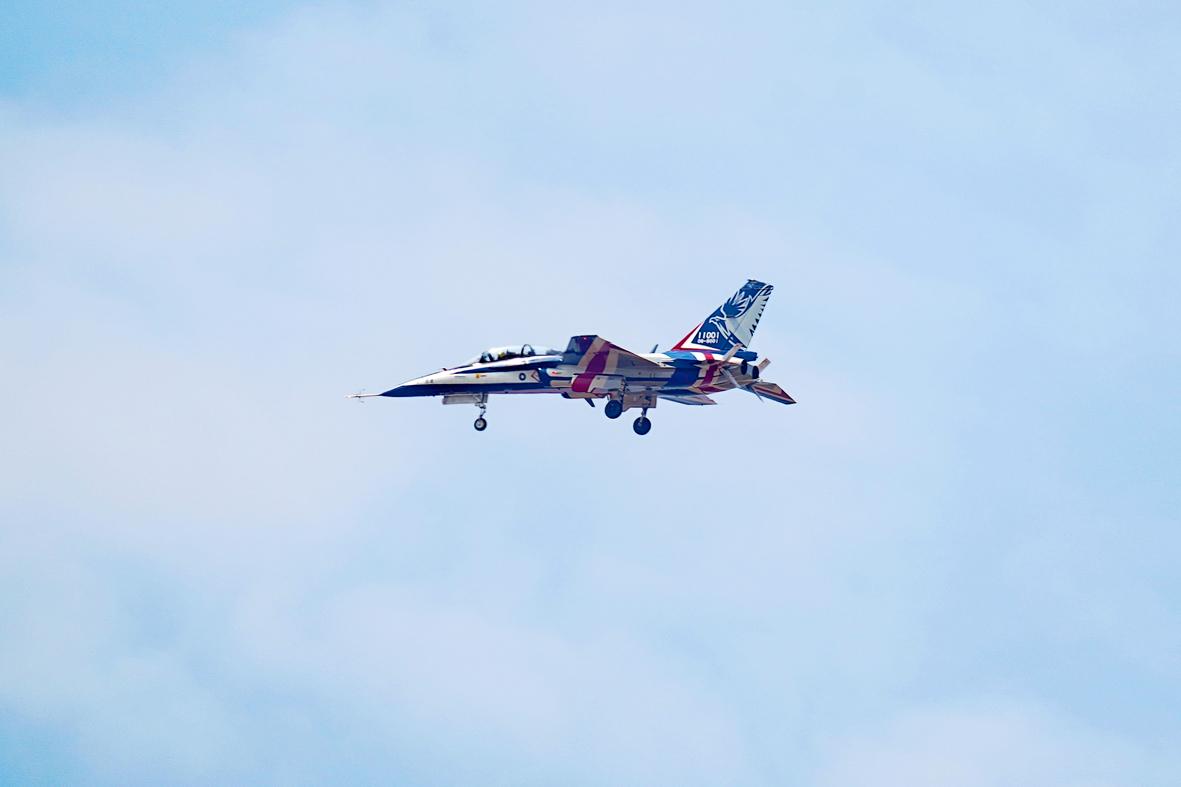
Photo: Aaron Tu, Liberty Times
照片:自由時報涂鉅旻
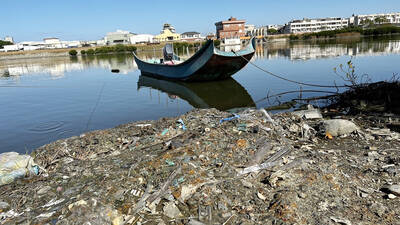
Many consumers are guilty of filling drawers or closets with old laptops, cellphones, fitness trackers and other electronic devices once they are no longer needed. It’s hard to know where to recycle such items, or it seems costly and inconvenient to do so. The world generates millions of tons of electronic waste — also called e-waste — each year. According to the UN’s most recent estimate, people worldwide produced 62 million metric tons of e-waste in 2022, and only about 22 percent of it was properly recycled. The US’ Environmental Protection Agency estimates that less than a quarter of e-waste is
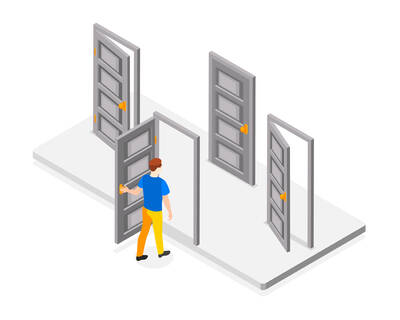
You’re sitting in class when a classmate asks to borrow a pencil. It seems like a small favor, so you agree without hesitation. The following week, the same classmate asks to share your notes. Later, they request help with a group project. You agree each time — after all, you helped out the first time — but before you know it, it has become automatic. This scenario demonstrates the “foot-in-the-door technique,” a psychological concept that shows how agreeing to small, acceptable demands makes it easier to accept larger ones later on. The name for this strategy comes from door-to-door

A: The four-day Tomb Sweeping Day long weekend begins Friday and will run until Monday. Are you going to sweep your ancestors’ tombs? B: I did in advance last weekend, so I can go to Kaohsiung to see the musical “The Phantom of the Opera.” A: Wow, is “Phantom” touring Taiwan again? It debuted in 1986, so this year marks the 40th anniversary of the show. B: And it’s not just touring Kaohsiung starting March 31, but also Taipei starting April 21 and Taichung starting May 26. A: “Phantom” is one of the world’s Four Major Musicals. I’ve seen all of them, except “Les

Dos & Don’ts — 想想看,這句話英語該怎麼說? 1. 我們很早到達電影院。 ˇ We arrived at the theater very early. χ We arrived the theater very early. 註︰arrive 為不及物動詞,後面如果有受詞要用 at 或 in。例如:They arrived in Taipei yesterday.。一般大地方,如國家、省、大城市等前面用 in,凡小地方城鎮、學校等則用 at。 2. 開車半小時以後,我們到達了海灘。 ˇ After half an hour’s drive, we got to the beach. χ After half an hour’s drive, we got the beach. 註︰come, go, get(來、去、到達)某地時,在表示地點的名詞前面應該用 to,如 go to school, go to Taipei, come to Shanghai 等。如果這些動詞後面所跟的是 here, there, home 等副詞,則不用 to。 3. 明天我會回辦公室。 ˇ I will be back in the office tomorrow. χ I will be back to office tomorrow. 註︰to be back 一語裡的 back 是副詞,不是介詞,所以後面要用 at (the market) 或 in (the office)。 假如假期結束,要回學校上課了則可說: ? Kids will be back


 RSS
RSS