


With the arrival of summer comes heat and humidity, and snakes start to emerge. You should, of course, be careful when outdoors, but sometimes you even have to keep an eye out for uninvited guests appearing in your own home. On Wednesday last week, a man shared a story online of how he had woken one morning to discover a poisonous snake, a cobra, in his house. He had jumped up, woken his family sleeping in the house and called the fire department to come and catch the snake and bring the drama to a close. The incident left him wondering why a snake had appeared in a house 30km away from the mountains.
The man had posted a message on Facebook, saying that he had a toddler, and had been sleeping on the floor as he was worried about rolling onto the child during the night. When he woke up in the morning, he was shocked to discover a cobra before his eyes. When the snake saw him getting up off the floor, it hissed and slithered off into a dark corner. Thankfully, nobody was hurt in the incident, but the man was left puzzled over how a cobra could appear in a house 30km from the mountains, and was actually closer to the seaside: he suspected the snake had perhaps been released into the wild by a religious group.
Other netizens, alarmed by the photos posted online, left comments saying things like “it must have been freaky waking up to a cobra in your house,” “Damn! And you were sleeping on the floor at the time: you must have been scared to death” and “cobras always come in twos, if you only caught one, there might be another not far off.” Another person said that they knew of people who had released cobras into the wild, but others pointed out that “cobras exist in the wild in Taiwan, this has nothing to do with releasing animals,” “It’s got nothing to do with proximity to the mountains, cobras live in low-lying areas. If your house is dirty and there are lots of rats, then you will get snakes” and “cobras like to live among bushes, scrubland, forests and near water, as well as farmed land and places around residential areas or mid/low-lying areas in the foothills of mountains.”
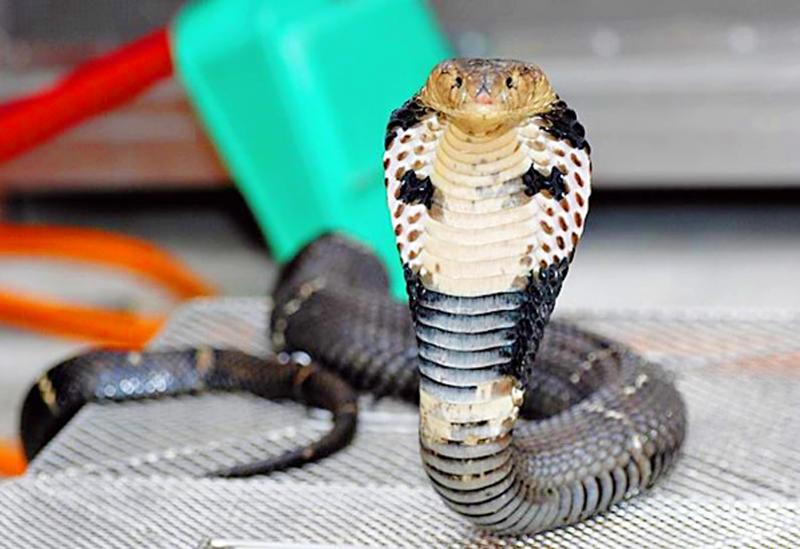
Photo courtesy of Chen Cheng-chung 照片:陳政忠提供
(Translated by Paul Cooper, Taipei Times)
夏日氣候溫暖潮濕,蛇類蠢蠢欲動,但不只野外須注意,連家中都有可能出現「不速之客」。有網友上週三發文分享一覺醒來,竟發現一隻帶有致命毒素的「眼鏡蛇」,現身家中,嚇得這名網友連忙起身,叫醒家人,同時也打電話通知消防隊捕蛇結束這場驚魂記。但令這名網友想不透的是,明明家住在離山區三十公里遠的地方,怎麼還會有蛇出沒?
這名網友在臉書上發文分享,自己因孩子年幼,怕不小心壓到孩子,所以睡在地板上,不料一早起來,發現有一隻「眼鏡蛇」出現在他眼前,這隻蛇看見他起身後馬上發出威嚇聲,隨即躲進更隱密的角落。雖過程中沒有人受傷,但這名網友納悶表示,明明家住在離山區三十公里遠的地方,附近反而是離海邊比較近,為何會出現「眼鏡蛇」?懷疑可能是宗教團體偷放生。
對此,其他網友看到照片嚇壞,紛紛留言表示,「眼鏡蛇出沒家裡太可怕了」、「天啊!你還睡在地上一定嚇死」、「眼鏡蛇都是成雙成對,如果只有抓到一隻,可能附近還有」。有人分享自己才遇過民眾放眼鏡蛇捕鼠的經驗,但也有人指出,「台灣本來就有野生的眼鏡蛇,跟放生沒有關係」、「跟山不山區也沒有關係,眼鏡蛇本來就是低海拔的物種。你家環境髒老鼠太多就會有」、「眼鏡蛇喜歡棲息在矮樹林,灌叢、森林、水邊、農作地和住家附近等平地和中低海拔山區」。
(自由時報)
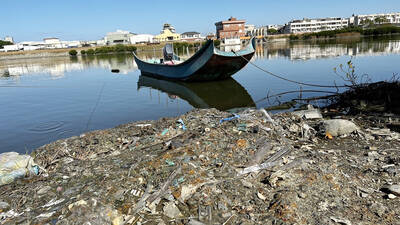
Many consumers are guilty of filling drawers or closets with old laptops, cellphones, fitness trackers and other electronic devices once they are no longer needed. It’s hard to know where to recycle such items, or it seems costly and inconvenient to do so. The world generates millions of tons of electronic waste — also called e-waste — each year. According to the UN’s most recent estimate, people worldwide produced 62 million metric tons of e-waste in 2022, and only about 22 percent of it was properly recycled. The US’ Environmental Protection Agency estimates that less than a quarter of e-waste is
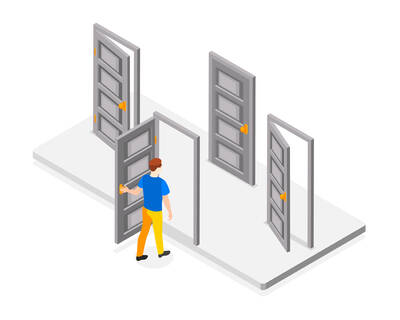
You’re sitting in class when a classmate asks to borrow a pencil. It seems like a small favor, so you agree without hesitation. The following week, the same classmate asks to share your notes. Later, they request help with a group project. You agree each time — after all, you helped out the first time — but before you know it, it has become automatic. This scenario demonstrates the “foot-in-the-door technique,” a psychological concept that shows how agreeing to small, acceptable demands makes it easier to accept larger ones later on. The name for this strategy comes from door-to-door

A: The four-day Tomb Sweeping Day long weekend begins Friday and will run until Monday. Are you going to sweep your ancestors’ tombs? B: I did in advance last weekend, so I can go to Kaohsiung to see the musical “The Phantom of the Opera.” A: Wow, is “Phantom” touring Taiwan again? It debuted in 1986, so this year marks the 40th anniversary of the show. B: And it’s not just touring Kaohsiung starting March 31, but also Taipei starting April 21 and Taichung starting May 26. A: “Phantom” is one of the world’s Four Major Musicals. I’ve seen all of them, except “Les

Dos & Don’ts — 想想看,這句話英語該怎麼說? 1. 我們很早到達電影院。 ˇ We arrived at the theater very early. χ We arrived the theater very early. 註︰arrive 為不及物動詞,後面如果有受詞要用 at 或 in。例如:They arrived in Taipei yesterday.。一般大地方,如國家、省、大城市等前面用 in,凡小地方城鎮、學校等則用 at。 2. 開車半小時以後,我們到達了海灘。 ˇ After half an hour’s drive, we got to the beach. χ After half an hour’s drive, we got the beach. 註︰come, go, get(來、去、到達)某地時,在表示地點的名詞前面應該用 to,如 go to school, go to Taipei, come to Shanghai 等。如果這些動詞後面所跟的是 here, there, home 等副詞,則不用 to。 3. 明天我會回辦公室。 ˇ I will be back in the office tomorrow. χ I will be back to office tomorrow. 註︰to be back 一語裡的 back 是副詞,不是介詞,所以後面要用 at (the market) 或 in (the office)。 假如假期結束,要回學校上課了則可說: ? Kids will be back


 RSS
RSS