


Segway Inc. announced last week that it will end production of its iconic two-wheeled personal vehicle starting July 15. When the company launched the product nearly two decades ago, it boldly claimed that its namesake two-wheeler would revolutionize the way people move, but it only sold 140,000 units across the world.
The Segway was criticized for the high price tag of US$4,950 (about NT$147,000). It was also challenging to ride, because riders must maintain a balance at a specific angle for the vehicle to move forward, and can easily be thrown off if they lose control. Several months after buying the company, British tycoon Jim Heselden was killed when the Segway he was riding fell into a lake in 2010.
Additionally, media reports of battery explosions when the self-balancing transporter overheated were common. The vehicle is banned in nearly half of US cities and it is classed as a “motorized vehicle” in Europe. In Taiwan, riding the Segway on the road is prohibited.
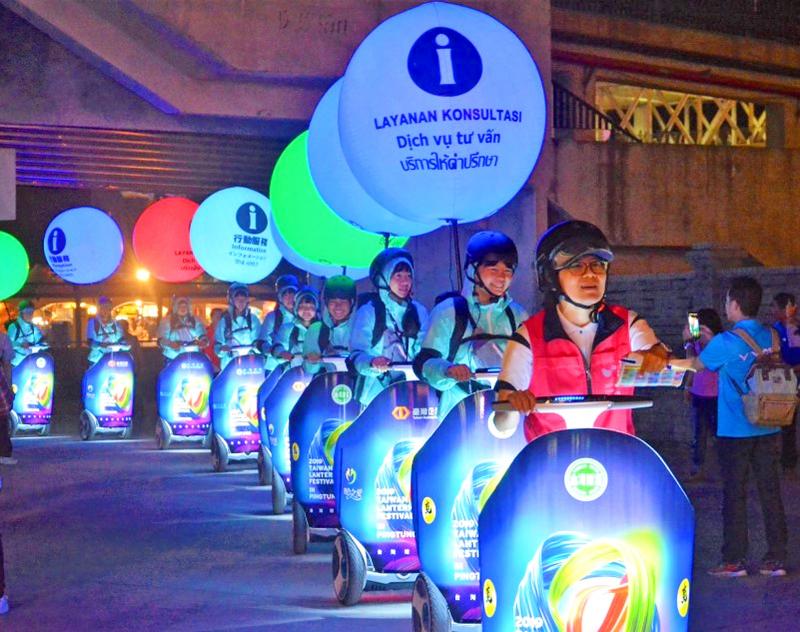
Photo: CNA 照片︰中央社
(Eddy Chang, Taipei Times)
賽格威公司上週宣布自七月十五日起,將停止生產具代表性的雙輪個人電動平衡車。在近二十年前問世時,賽格威最初發下豪語,誇口說這輛同名的雙輪車會徹底改革人們移動的方式,然而多年來全球總共只售出十四萬輛。
賽格威過去因售價高達四千九百五十美元(約十四‧七萬台幣)而遭到批評。駕馭它也是一大挑戰,因為騎士必須從特定角度保持平衡,車子才會前進,一旦失控就很容易被拋下踏板。英國富商吉姆赫斯登在買下該公司幾個月後,於二○一○年因騎著賽格威暴衝到湖裡而死。
此外,平衡車電池過熱爆炸的媒體報導時有所聞。因此它在將近半數的美國城市被禁止,在歐洲則被視為一種「動力車輛」,而台灣亦不允許賽格威在道路上行駛。
(台北時報張聖恩)
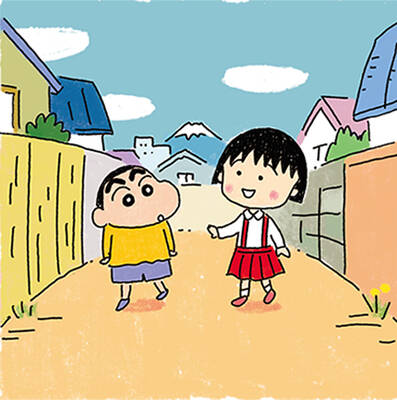
A: Popular humorous Japanese manga series “Chibi Maruko-chan” and “Crayon Shin-chan” will collaborate for their respective 40th and 35th anniversaries, publishing three crossover stories in April. B: Both were made into TV animation series, becoming huge hits in Asia. What are the crossover stories about? A: The first story features Shin-chan and his family visiting Maruko-chan’s hometown, Shizuoka City, where they run into each other. B: Wow, that sounds interesting. And then? A: The follow-ups feature Maruko-chan and her family visiting Shin-chan’s hometown, Kasukabe City. I bet the interactions between the two families will be funny. A: 熱門日本漫畫《櫻桃小丸子》、《蠟筆小新》4月將合作,為紀念小丸子40週年與小新35週年,推出三篇跨界聯動漫畫! B:
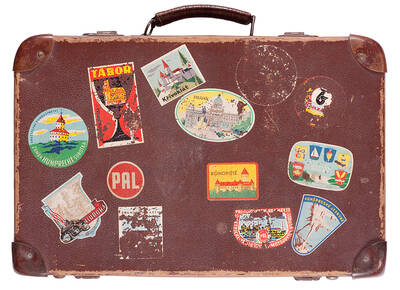
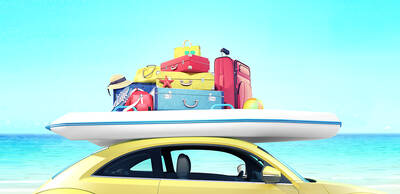
Travel fever is back, and it’s contagious. After years of being kept home during the COVID-19 pandemic, people are once again eager to explore the world. Rather than just book any trip, travelers are getting smarter about how they scratch that travel itch. Microcation Defined as four days or fewer and over 160km away from home, the microcation perfectly matches the post-pandemic mindset. After long periods of remaining indoors, people are making up for lost time by taking short, frequent getaways throughout the year. These brief trips avoid the work-life imbalance that comes with long absences. With only a few days away, one’s
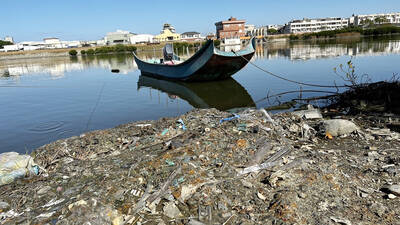
Many consumers are guilty of filling drawers or closets with old laptops, cellphones, fitness trackers and other electronic devices once they are no longer needed. It’s hard to know where to recycle such items, or it seems costly and inconvenient to do so. The world generates millions of tons of electronic waste — also called e-waste — each year. According to the UN’s most recent estimate, people worldwide produced 62 million metric tons of e-waste in 2022, and only about 22 percent of it was properly recycled. The US’ Environmental Protection Agency estimates that less than a quarter of e-waste is
Dos & Don’ts — 想想看,這句話英語該怎麼說? 1. 我們很早到達電影院。 ˇ We arrived at the theater very early. χ We arrived the theater very early. 註︰arrive 為不及物動詞,後面如果有受詞要用 at 或 in。例如:They arrived in Taipei yesterday.。一般大地方,如國家、省、大城市等前面用 in,凡小地方城鎮、學校等則用 at。 2. 開車半小時以後,我們到達了海灘。 ˇ After half an hour’s drive, we got to the beach. χ After half an hour’s drive, we got the beach. 註︰come, go, get(來、去、到達)某地時,在表示地點的名詞前面應該用 to,如 go to school, go to Taipei, come to Shanghai 等。如果這些動詞後面所跟的是 here, there, home 等副詞,則不用 to。 3. 明天我會回辦公室。 ˇ I will be back in the office tomorrow. χ I will be back to office tomorrow. 註︰to be back 一語裡的 back 是副詞,不是介詞,所以後面要用 at (the market) 或 in (the office)。 假如假期結束,要回學校上課了則可說: ? Kids will be back


 RSS
RSS