


The Proto-Indo-European root *gene- (to give birth, to beget) gave birth to a whole family tree of words related to giving birth, natural origin, reproduction, descent through family lineage and anything pertaining to generation or birth.
Genealogy means the study of family trees, from the Greek genea (generation, descent) together with the suffix –logy, meaning “the study of something.”
The Latin word generalis (relating to all, of a whole class, generic) derives ultimately from *gene-, too, and begets the English adjective “general,” originally from around 1200, meaning “of wide application, affecting or involving all.”

Photo: Wikimedia Commons 照片:維基共享資源
The adjective “genital” (pertaining to (sexual) reproduction), dating to the late 14th century, comes from the Latin genitus, the past participle of gignere, from the root *gene-.
The Latin gignere also gives genuinus, meaning “native, natural or innate,” which bequeathed us the English adjective “genuine” (natural, not acquired), in the 1590s.
An interesting alternative etymology to genuine is that it comes from the Latin genu (knee). Apparently, there was an ancient custom in which a father would place a newborn on his knee as a way to acknowledge paternity. From around the 1660s, the word genuine has been used to mean “really proceeding from its reputed source.”
(Paul Cooper, Taipei Times)
原始印歐語字根「*gene–」(生育、成為…之生父)衍生出一整個譜系的詞彙,包括與生產、自然起源、繁殖、家族後裔,以及任何與世代或生育有關的詞。
「genealogy」(系譜學)一字意為對家譜之研究,是由希臘文「genea」(世代、後裔)以及後綴「–logy」組合而城,表示對某種事物的研究。
拉丁文「generalis」(與全部有關、屬於整類、通稱)最早也是源自「*gene-」這個字根,並衍生出英文形容詞「general」,在西元一二○○年左右出現,意思是「廣泛適用、影響或涉及全部」。
形容詞「genital」(生殖的、與(性)生殖有關),可追溯到十四世紀末,來自拉丁文「genitus」,即「gignere」之過去分詞,源頭也是「*gene-」這個字根。
拉丁文「gignere」也演變出「genuinus」,意為本地的、自然的或固有的,在一五九○年代衍生出英文形容詞「genuine」(自然的、非後天取得的)。
關於「genuine」之來源的另一種有趣說法,是說它來自拉丁文「genu」(膝)。顯然有種古老的習俗,父親將新生兒抱到膝上以承認父子關係。「genuine」一字現今之意義「確實出自其宣稱之來源/名副其實/真品」,大約始自一六六○年代。
(台北時報林俐凱譯)
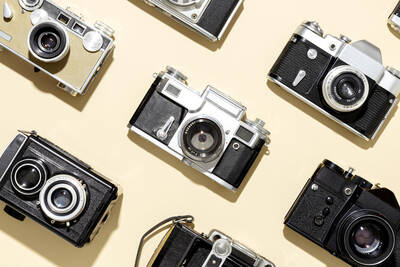
Cameras are everywhere — in our pockets, on our walls and even in space. They capture emotions, preserve history and reflect culture. Through these devices, photography is now essential to modern life, influencing how we perceive ourselves and the world. To understand the root of their power, let’s explore the camera’s remarkable journey. The story begins with the camera obscura, a dark room with a tiny hole. Light passing through the opening projected an inverted image on the opposite wall. Renaissance artists used this principle to paint accurate scenes. However, these images couldn’t be preserved as photographs. That changed
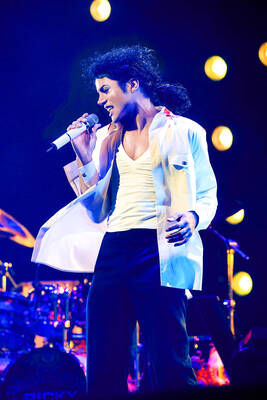
A: This year’s two most anticipated films have finally hit theaters in Taiwan. “Michael” premiered last Wednesday, while “The Devil Wears Prada 2” premiered this Wednesday ahead of its global release. B: Isn’t “Michael” the biopic about the late King of Pop Michael Jackson? A: Yup, it tells the story of Michael’s legendary life, from child star to global icon. And the role is in fact played by his nephew, Jaafar Jackson. B: Michael caused a sensation when touring Taiwan twice in 1993 and 1996. His classic hits, dance moves and music videos reshaped global pop culture at that time. A: I’m gonna
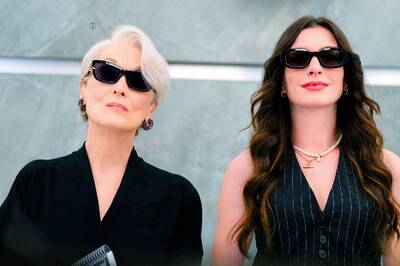
A: In addition to the biopic “Michael,” comedy “The Devil Wears Prada 2” is finally in theaters. I can’t believe it’s been 20 years since the 2006 debut of the original film. B: Does the sequel still revolve around the fashion industry? A: This time, “Miranda,” the fashion magazine editor-in-chief played by Meryl Streep, will team up with her former assistant “Andy,” played by Anne Hathaway, to fight against Emily, her other ex-assistant played by Emily Blunt. B: Isn’t the role of “Miranda” based on then US “Vogue” editor-in-chief Anna Wintour? A: Yup, it established Anna’s fashion status, influenced pop culture
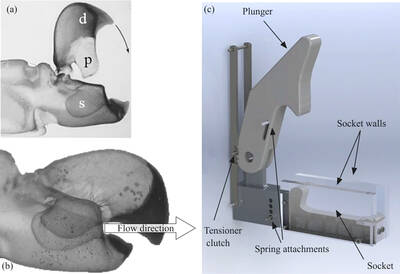
Few sea creatures of their size have as much destructive power as pistol shrimp. These small animals, usually measuring around four centimeters long, produce shock waves that can stun or even kill their prey. The attack begins when the shrimp opens its specialized claw, allowing water to fill a chamber inside. Then the claw closes rapidly. A bump on the claw strikes the chamber, forcing the trapped water out through a narrow opening at a high speed of about 25 meters per second. The rapid movement forms a bubble in the water that collapses almost instantly under the pressure of the


 RSS
RSS