


The US National Aeronautics and Space Administration (NASA) confirmed last week that actor Tom Cruise will be filming his next Hollywood blockbuster in space. The Mission Impossible superstar plans to fly through the atmosphere to shoot a film on the International Space Station (ISS), hoping to become the first actor to achieve this.
“NASA is excited to work with @TomCruise on a film aboard the @Space_Station!,” NASA Administrator Jim Bridenstine wrote on his Twitter page, adding that the move could “inspire a new generation of engineers and scientists” to make NASA’s ambitious plans for space travel a reality. According to online news site Deadline, tech mogul Elon Musk’s rocket company SpaceX has been attached to this project.
The ISS orbits at 400km above the Earth’s surface. In March, SpaceX announced that it will partner with Axiom Space to launch a spaceflight to the ISS next year. Tourists will be carried on SpaceX’s “Crew Dragon” capsule, and a ticket for the trip costs US$55 million (about NT$1.7 billion).
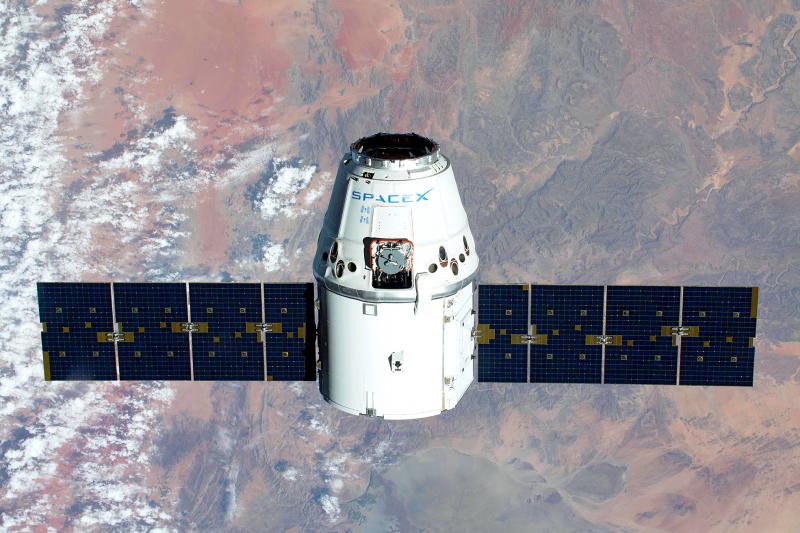
Photo courtesy of NASA via AFP 照片︰美國國家航空暨太空總署經由法新社提供
(Eddy Chang, Taipei Times)
美國國家航空暨太空總署(NASA)上週證實,影星湯姆克魯斯將上太空拍攝他的下一部好萊塢大片。這位以《不可能的任務》系列而走紅的超級巨星,計劃將要飛越大氣層,在國際太空站上拍片,期盼能創下影壇先例。
NASA署長吉姆布萊登斯坦在推特上寫道︰「NASA很興奮可以和阿湯哥合作,登上太空站拍電影!」還表示,此舉將「激勵新一代的工程師和科學家」,實現該署對推展太空旅行之雄心壯志。根據新聞網站Deadline報導,科技大亨伊隆馬斯克創立的太空探索科技公司將參與此計劃。
國際太空站在地表上空約四百公里處,環繞地球的軌道運行。稍早在三月時,太空探索科技公司宣布和公理太空公司結盟,預計明年推出前往太空站的太空飛行。旅客將搭乘前者的「飛龍號」旅行太空艙,每張票價高達五千五百萬美元(約十七億台幣)。
(台北時報張聖恩)
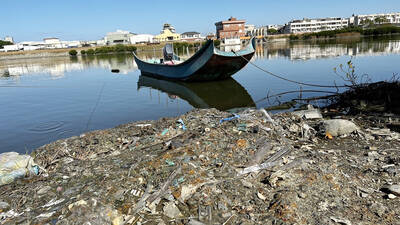
Many consumers are guilty of filling drawers or closets with old laptops, cellphones, fitness trackers and other electronic devices once they are no longer needed. It’s hard to know where to recycle such items, or it seems costly and inconvenient to do so. The world generates millions of tons of electronic waste — also called e-waste — each year. According to the UN’s most recent estimate, people worldwide produced 62 million metric tons of e-waste in 2022, and only about 22 percent of it was properly recycled. The US’ Environmental Protection Agency estimates that less than a quarter of e-waste is
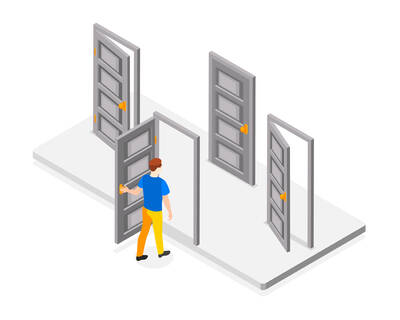
You’re sitting in class when a classmate asks to borrow a pencil. It seems like a small favor, so you agree without hesitation. The following week, the same classmate asks to share your notes. Later, they request help with a group project. You agree each time — after all, you helped out the first time — but before you know it, it has become automatic. This scenario demonstrates the “foot-in-the-door technique,” a psychological concept that shows how agreeing to small, acceptable demands makes it easier to accept larger ones later on. The name for this strategy comes from door-to-door

A: The four-day Tomb Sweeping Day long weekend begins Friday and will run until Monday. Are you going to sweep your ancestors’ tombs? B: I did in advance last weekend, so I can go to Kaohsiung to see the musical “The Phantom of the Opera.” A: Wow, is “Phantom” touring Taiwan again? It debuted in 1986, so this year marks the 40th anniversary of the show. B: And it’s not just touring Kaohsiung starting March 31, but also Taipei starting April 21 and Taichung starting May 26. A: “Phantom” is one of the world’s Four Major Musicals. I’ve seen all of them, except “Les

Dos & Don’ts — 想想看,這句話英語該怎麼說? 1. 我們很早到達電影院。 ˇ We arrived at the theater very early. χ We arrived the theater very early. 註︰arrive 為不及物動詞,後面如果有受詞要用 at 或 in。例如:They arrived in Taipei yesterday.。一般大地方,如國家、省、大城市等前面用 in,凡小地方城鎮、學校等則用 at。 2. 開車半小時以後,我們到達了海灘。 ˇ After half an hour’s drive, we got to the beach. χ After half an hour’s drive, we got the beach. 註︰come, go, get(來、去、到達)某地時,在表示地點的名詞前面應該用 to,如 go to school, go to Taipei, come to Shanghai 等。如果這些動詞後面所跟的是 here, there, home 等副詞,則不用 to。 3. 明天我會回辦公室。 ˇ I will be back in the office tomorrow. χ I will be back to office tomorrow. 註︰to be back 一語裡的 back 是副詞,不是介詞,所以後面要用 at (the market) 或 in (the office)。 假如假期結束,要回學校上課了則可說: ? Kids will be back


 RSS
RSS